
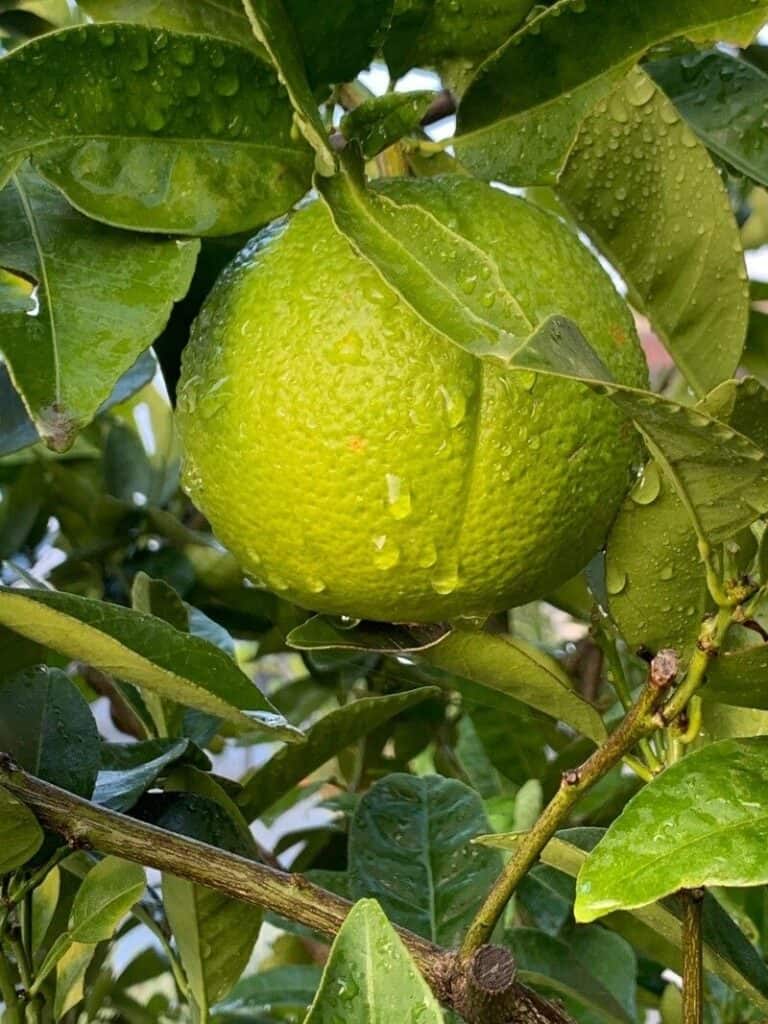
Beyond the Seed: Propagating Your Own Luscious Bearss Lime Tree
The Bearss lime, with its vibrant green rind and refreshingly tart juice, is a beloved citrus fruit in kitchens worldwide. While buying a lime from the store is easy, there’s a certain satisfaction in growing your own. If you’re up for the challenge, propagating your own Bearss lime tree (scientifically known as Citrus × latifolia) is a rewarding endeavor. While growing from seed might seem intuitive, it’s not the most reliable method for this hybrid citrus. Let’s delve into the world of Bearss lime propagation and explore the techniques that will give you the best chance of success.
Why Choose Propagation over Seeds?
You might be wondering, why go through the effort of propagation when you can simply plant the seeds from a store-bought lime? The answer lies in the nature of the Bearss lime. Like many commercially grown fruits, it’s a hybrid variety. This means its offspring grown from seed might not necessarily inherit the desired characteristics of the parent plant. Instead of a true-to-type Bearss lime, you might end up with a tree bearing fruit with different taste, size, or growth habits.
Propagation, on the other hand, allows you to create a clone of the parent plant, ensuring that you get a tree that will produce the same delicious limes you know and love.
The Two Pillars of Bearss Lime Propagation:
1. Cuttings:
Taking cuttings is the most popular and effective method for propagating Bearss lime trees. Here’s how to do it:
- Timing is Key: Spring is the ideal time to take cuttings because the plant is actively growing.
- Selecting the Right Branch: Choose a healthy branch that’s about a year old. Look for a section with mature wood and new growth at the tip.
- Making the Cut: Using sterilized pruning shears, cut a 6-8 inch section at a 45-degree angle, just below a leaf node (the bump where a leaf grows). Remove leaves from the bottom half of the cutting.
- Hormone Power: Dip the cut end in rooting hormone powder to encourage root development.
- Potting Mix: Plant the cutting in a well-draining potting mix, ensuring at least two nodes are buried.
- Humidity is Crucial: Cover the pot with a clear plastic bag or use a humidity dome to create a mini greenhouse.
- Patience and Care: Place the cutting in a warm, bright location out of direct sunlight. Keep the soil consistently moist but not soggy. It can take several weeks to months for roots to develop.
2. Air Layering:
Air layering is another effective method for multiplying your Bearss lime tree, especially if you want to create a new tree from a branch that’s already quite large:
- Choose your Branch: Select a healthy branch.
- Make a Wound: Make a 1-2 inch upward cut about halfway through the branch. Insert a toothpick or piece of plastic to keep the wound open.
- Moss it Up: Wrap the cut area with moist sphagnum moss and enclose it in plastic wrap, securing both ends tightly.
- Root Development: Within a few months, roots should start to form within the moss.
- Separation: Once a good root system develops, cut below the wrapped area and pot the new plant.
Nurturing Your New Lime Tree:
Once your cuttings or air layers have developed a strong root system, you can transplant them into larger pots or directly into the ground (in suitable climates). Bearss lime trees prefer well-drained soil, ample sunlight, and regular watering, especially during dry periods.
Propagating your own Bearss lime tree takes patience and care, but the reward of harvesting fresh, homegrown limes will be well worth the effort. So, roll up your sleeves, grab your gardening tools, and get ready to taste the sweet rewards of your own citrus success!