
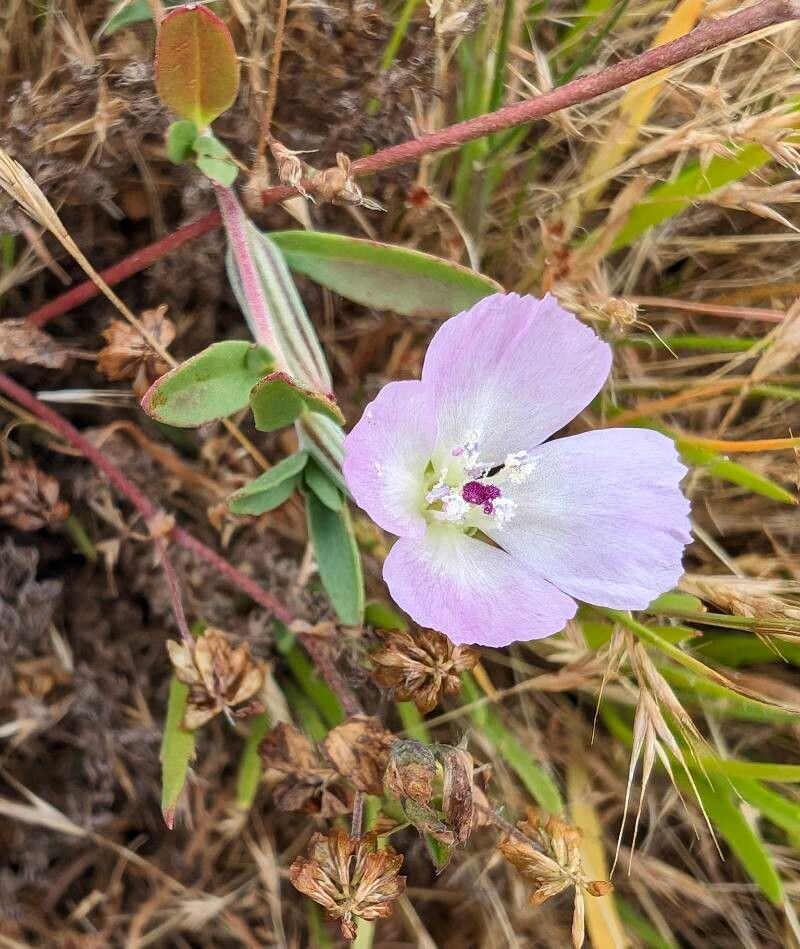
Blooming Brilliance: Propagating Farewell to Spring (Clarkia purpurea) for a Spectacular Wildflower Show
Farewell to Spring, also known as Clarkia purpurea, is a captivating California native wildflower adored for its vibrant pink to purple blooms. This easy-to-grow annual is a favorite among gardeners looking to attract pollinators and infuse their gardens with a touch of natural beauty. If you’re captivated by this charming wildflower and want to expand your floral display, propagating Clarkia purpurea is a rewarding and straightforward process.
Direct Sowing: Embracing Nature’s Simplicity
Clarkia purpurea prefers a hands-off approach when it comes to propagation, thriving when directly sown into the garden. Here’s how to ensure successful direct sowing:
- Timing is Key: Aim to sow seeds in early spring or fall, as Clarkia purpurea prefers cooler temperatures for optimal germination.
- Site Selection: Choose a location that receives full sun to partial shade. These wildflowers are adaptable and can tolerate a range of soil conditions, but well-draining soil is ideal.
- Sowing the Seeds: Gently sprinkle the tiny seeds onto the soil surface, ensuring they’re evenly distributed.
- Light Covering: Lightly rake the soil surface to cover the seeds with no more than ¼ inch of soil.
- Water Wisely: Keep the soil consistently moist but not waterlogged until the seedlings emerge, which can take up to 21 days.
- Thinning Out: Once seedlings reach a few inches tall, thin them out to provide adequate spacing (around 6-12 inches apart) for healthy growth.
Starting Seeds Indoors: A Head Start on Spring
While direct sowing is the preferred method, starting Clarkia purpurea seeds indoors a few weeks before the last expected frost can give your blooms a head start:
- Seeding Setup: Use a seed starting mix and sow seeds in biodegradable pots or trays to minimize root disturbance during transplanting.
- Moisture Matters: Keep the seed starting mix consistently moist by using a spray bottle to prevent disturbing the tiny seeds.
- Warmth and Light: Place the seed trays in a warm location (around 70°F) with bright, indirect sunlight.
- Transplanting Time: Once seedlings have developed a few sets of true leaves and the danger of frost has passed, harden them off (gradually acclimate them to outdoor conditions) before transplanting them into the garden.
Caring for Your Clarkia Purpurea: Minimal Effort, Maximum Impact
Once established, Clarkia purpurea requires minimal care to thrive:
- Watering Wisdom: While somewhat drought-tolerant, occasional watering during dry periods, especially during flowering, will promote healthier plants and more abundant blooms.
- Deadheading Delight: Regularly deadheading spent blooms encourages continuous flowering throughout the season.
- Let it Be: Clarkia purpurea doesn’t require fertilizers and generally doesn’t attract significant pests or diseases.
A Rewarding Wildflower Experience:
Propagating Clarkia purpurea is a simple yet rewarding endeavor. By following these guidelines, you’ll be rewarded with an abundance of these lovely wildflowers adding vibrant hues to your garden and attracting beneficial pollinators, enhancing your outdoor space’s ecological and aesthetic appeal. Why not bid “farewell” to bare gardens and say “hello” to breathtaking blooms?