
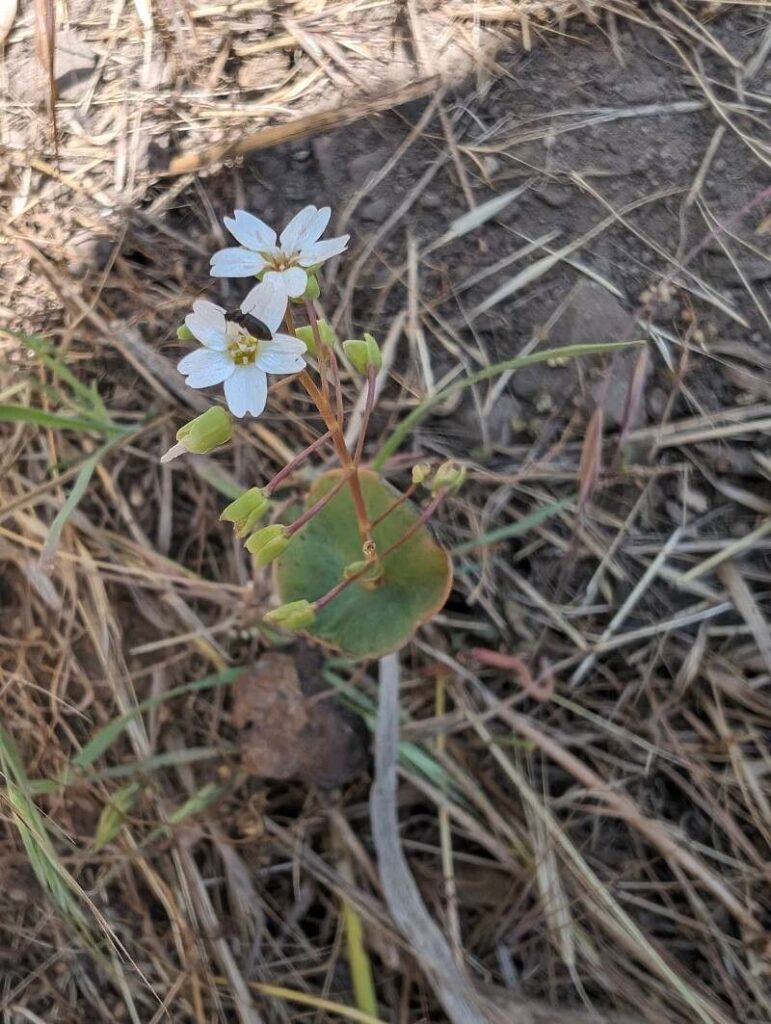
Tiny but Mighty: How to Propagate Your Own Claytonia Parviflora (Spring Beauty)
You’ve probably seen them, those delicate pink or white blooms peeking out from the earth in early spring. Claytonia parviflora, commonly known as Spring Beauty, is a wildflower that brightens up woodlands and meadows with its cheerful presence. But did you know that this charming little plant is also incredibly easy to propagate?
Whether you want to add a splash of color to your garden or simply enjoy the satisfaction of growing your own, here’s a guide on how to successfully propagate Spring Beauty:
1. The Art of Seed Propagation
Spring Beauty reproduces primarily through seeds, a process that’s as easy as it gets. Simply gather a handful of mature seed pods from your existing plants. The pods are typically brown and will release numerous tiny, black seeds when they’re ready.
Time Your Planting: Spring Beauty thrives in cool, moist conditions. The best time for sowing seeds is in the fall, right before the first frost. Alternatively, you can start them indoors in early spring and transplant them outdoors once the weather has warmed up.
How to Plant: Choose a location with dappled sunlight and well-drained soil. Scatter the seeds on the surface of the soil and gently press them in. Cover the seeds with a thin layer of soil (no more than 1/4 inch) and keep the planting area consistently moist.
Patience is Key: While Spring Beauty is a fast-growing plant, it can take up to a month for seedlings to emerge. So, be patient and don’t give up!
2. The Power of Division
If you already have mature Spring Beauty plants, you can take advantage of their natural tendency to spread by dividing them.
The Best Time to Divide: Spring is the ideal time for dividing Spring Beauty plants. This allows them to establish themselves before the summer heat sets in.
The Process: Carefully dig up a mature plant, ensuring you don’t damage the roots. Gently separate the plant into smaller clumps, each containing a healthy portion of roots and foliage.
Replanting: Plant these divisions in a new location with similar growing conditions. Water them regularly until they are well established.
3. Tips for Success
- Light: Spring Beauty prefers partial shade to dappled sunlight.
- Soil: Make sure the soil is well-drained and slightly acidic.
- Water: Keep the soil consistently moist but not soggy. Let it dry out slightly between waterings.
- Fertilizer: Light fertilization with a balanced fertilizer can help promote growth, but it’s not essential.
4. Beyond the Garden
Spring Beauty is a delightful addition to gardens, pots, and even naturalized areas. They can also be grown in shady woodland settings and along pathways, adding a burst of color to often overlooked areas.
5. Final Thoughts
Whether you choose to propagate by seed or division, growing your own Spring Beauty is a simple and rewarding experience. These delicate wildflowers are a wonderful addition to any garden, bringing a touch of springtime beauty to your surroundings.