
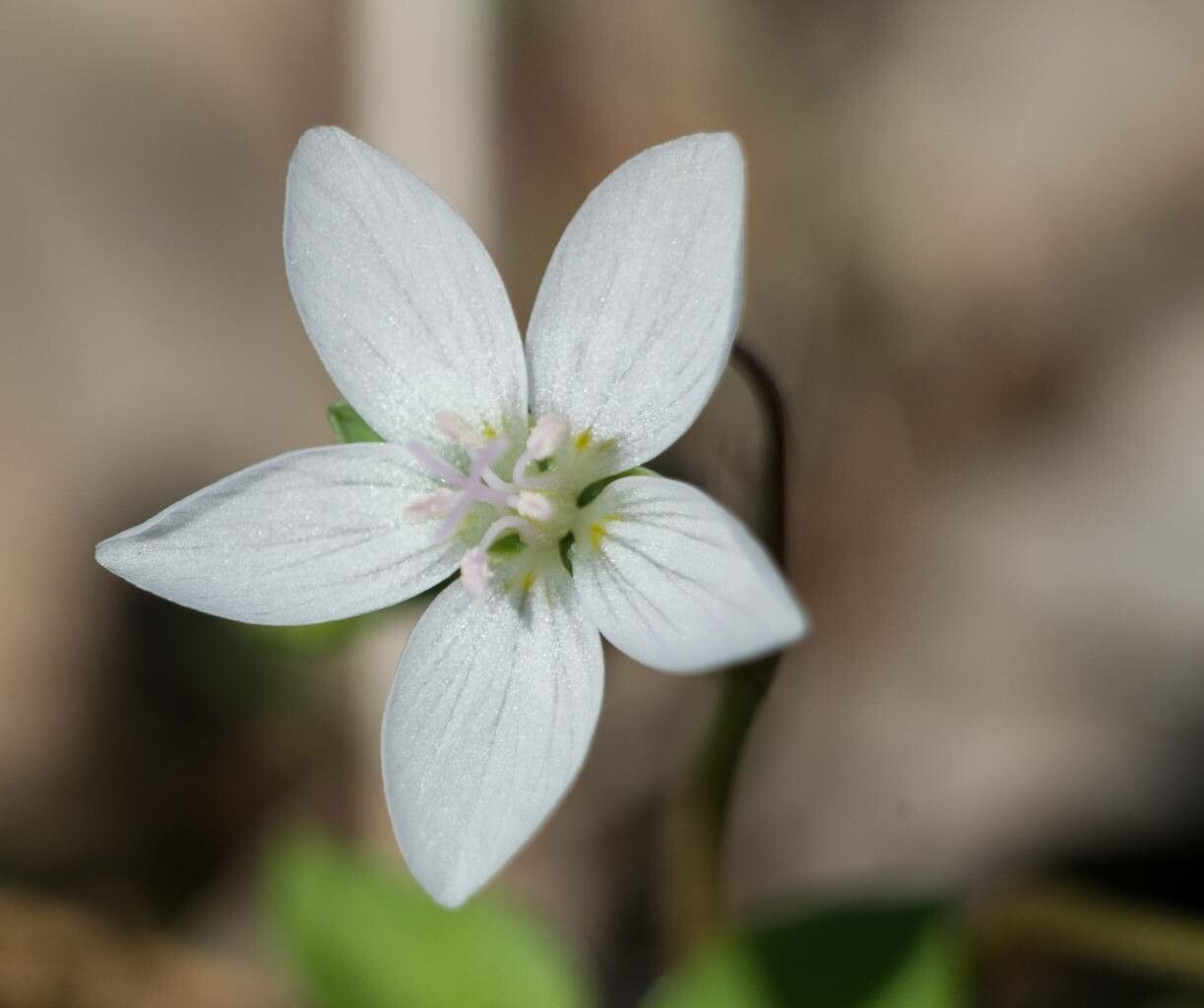
Propagating Spring Beauty: A Gardener’s Guide to Claytonia virginica
Introduction:
Claytonia virginica, commonly known as Spring Beauty, is a charming native wildflower that graces early spring woodland gardens with its delicate, pink-striped white blossoms. Its diminutive size, vibrant color, and early flowering make it a favorite among gardeners seeking to add a touch of ephemeral beauty to their landscapes. However, its propagation presents unique challenges, making success all the more rewarding. This guide explores various techniques for propagating Spring Beauty, weighing their pros and cons.
Seed Germination:
Seed germination for Claytonia virginica is a viable, albeit challenging, method. The primary hurdle is the plant’s requirement for stratification, a period of cold, moist treatment mimicking winter conditions to break seed dormancy.
Challenges: Seeds may exhibit erratic germination rates, and success often depends on precise temperature and moisture control. Furthermore, seeds need to be harvested at the optimal time (when they are fully mature but before they shatter).
Practical Tips: Collect seeds from mature plants when the seed pods are dry but still attached. Stratify seeds by mixing them with moist perlite or vermiculite and storing them in a refrigerator at 3-5°C (37-41°F) for 8-12 weeks. After stratification, sow seeds thinly on the surface of a well-draining seed-starting mix, keeping the soil consistently moist but not waterlogged. Maintain a cool temperature (around 15-20°C or 59-68°F). Germination may take several weeks or even months.
Rewards: Seed propagation offers the greatest potential for genetic diversity, allowing the creation of larger populations and greater resilience within the population. It also provides the possibility of large-scale propagation for restoration projects or distribution to other gardeners.
Cuttings:
Currently, there are no known reliable methods for propagating Claytonia virginica from cuttings. The plant’s delicate structure and physiology do not readily lend themselves to this propagation method.
Division:
Division is a relatively successful method for propagating Spring Beauty, particularly when dividing established clumps.
Challenges: Spring Beauty often forms dense colonies, making careful division necessary to avoid damaging the delicate roots and corms (underground storage organs). The plants also have a relatively short growing season.
Practical Tips: The best time for division is during the plant’s dormant period (late summer or early fall). Carefully dig up the clump, gently separating the corms into smaller sections, ensuring each section has roots and a healthy portion of the corm. Replant the divisions immediately into a well-drained, slightly acidic soil in a location with dappled shade and consistent moisture.
Rewards: Division provides a fast and relatively reliable way to increase the number of plants, preserving the genetic characteristics of the parent plant. It requires less time and specialized equipment compared to seed germination.
Tissue Culture:
While tissue culture is a viable technique for many plants, it is not commonly employed for Claytonia virginica propagation. This method is complex and requires expensive equipment and specialized knowledge.
Conclusion:
Propagating Claytonia virginica presents both opportunities and challenges. While seed germination requires patience and attention to detail, it offers the most genetic diversity. Division offers a faster, more reliable method for small-scale propagation. Cuttings and tissue culture methods are currently not viable options. The success of any method hinges on understanding the plant’s specific needs, particularly concerning temperature, moisture, and light. The unique satisfaction derived from successfully propagating Spring Beauty lies in overcoming these challenges and nurturing this ephemeral beauty into a thriving colony. Don’t be discouraged by initial setbacks; persistent experimentation will increase your chances of success. Embrace the learning process and enjoy the beauty of this remarkable little wildflower.