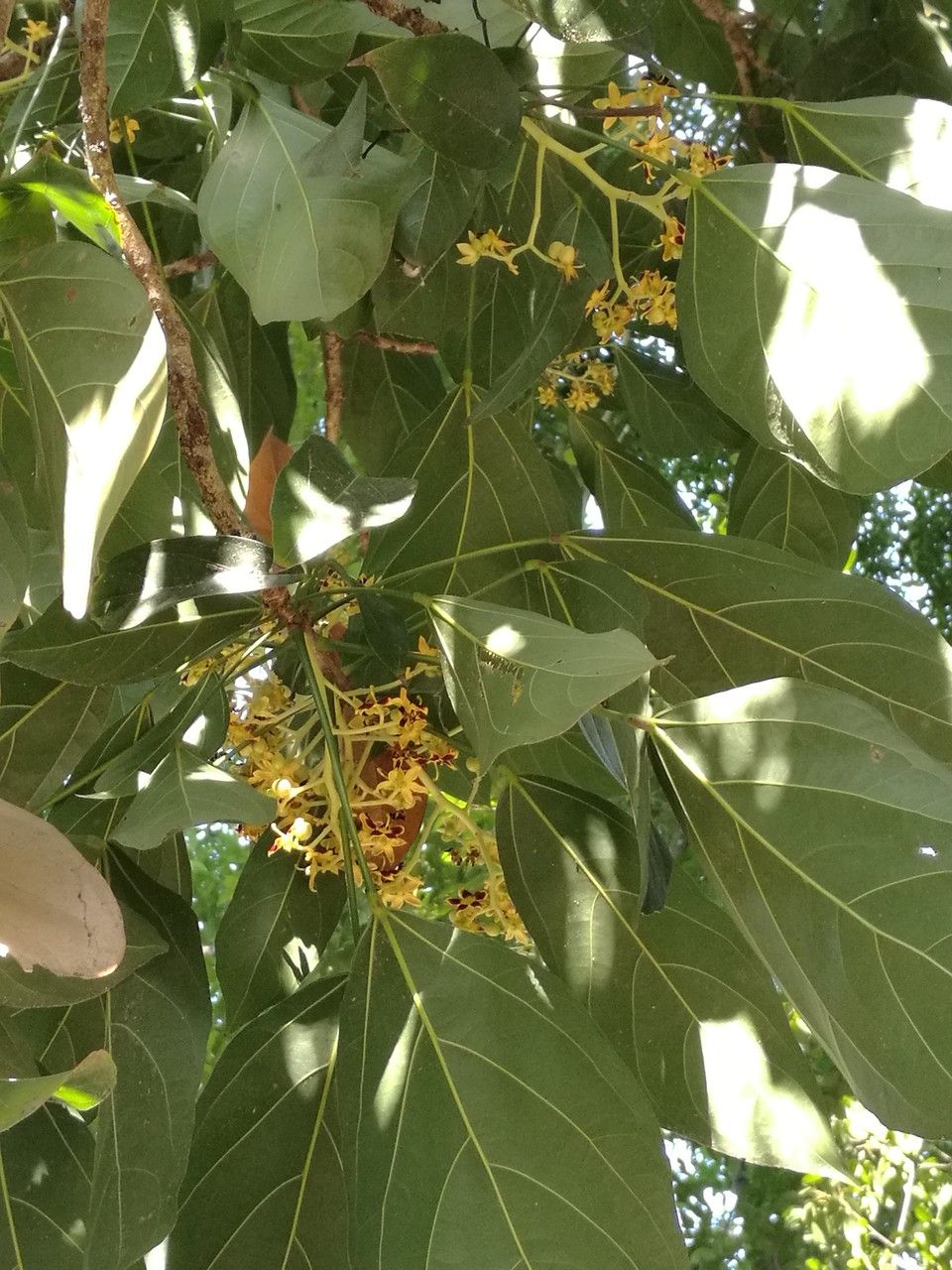
How to Propagate Clerodendrum cyrtophyllum

Propagating the Butterfly Bush: Unveiling the Secrets of Clerodendrum cyrtophyllum

Clerodendrum cyrtophyllum, often called the "butterfly bush" (though this common name is shared with other Clerodendrum species, causing potential confusion), is a captivating shrub renowned for its vibrant, butterfly-attracting flowers and attractive foliage. Its popularity among gardeners stems from its relatively easy cultivation and the sheer spectacle of its blooms. However, propagating this beauty presents unique challenges and rewards. The following explores various propagation methods, assessing their viability and offering practical guidance.

Seed Germination:

Currently, there are no known reliable methods for seed germination propagation of Clerodendrum cyrtophyllum. While the plant does produce seeds, their viability and germination rate are reportedly very low, making this method impractical for most home gardeners. Further research into specific seed treatments or environmental conditions might be needed to unlock this propagation pathway.

Cuttings:

Cuttings represent a significantly more reliable method for propagating Clerodendrum cyrtophyllum.

Challenges: The primary challenge lies in achieving successful rooting. The cuttings are somewhat prone to fungal diseases if not treated properly.

Tips: Take semi-hardwood cuttings (about 4-6 inches long) in late spring or early summer. Remove lower leaves, dip the cut end in rooting hormone, and plant them in a well-draining moist propagation mix. Maintain high humidity (using a humidity dome or plastic bag) and provide indirect sunlight. Regular misting helps prevent desiccation. Rooting usually takes several weeks. Ensuring proper hygiene and using a fungicide can greatly decrease the likelihood of fungal attack.

Rewards: Cuttings offer a relatively quick and straightforward way to increase the number of plants, preserving the genetic characteristics of the parent plant.

Division:

Division is a viable method, but its success hinges entirely on the maturity and health of the parent plant.

Challenges: Clerodendrum cyrtophyllum doesn’t naturally lend itself to division as readily as many other shrubs. Dividing the rootball without damaging it requires careful attention and appropriate tools. Smaller divisions may struggle to establish themselves.

Tips: Divide the plant in early spring or autumn, when it’s actively growing or becoming dormant. Ensure each division has a healthy root system and several established stems. Replant divisions immediately in well-prepared soil, watering thoroughly.

Rewards: Division is a low-cost method for multiplying established plants, and it also allows you to rejuvenate an overgrown bush.

Tissue Culture:

Tissue culture offers the potential for large-scale propagation of Clerodendrum cyrtophyllum, overcoming some of the limitations of other methods.

Challenges: Tissue culture requires specialized equipment, sterile conditions, and a good understanding of plant tissue culture techniques. This method is generally not feasible for home gardeners. Finding a suitable growth medium and hormone balance is crucial for successful propagation.

Tips: This method is best left to professionals or labs specializing in plant propagation.

Rewards: Tissue culture allows for the rapid multiplication of disease-free plants, preserving desirable genetic characteristics and enabling large-scale production.

Conclusion:

Propagating Clerodendrum cyrtophyllum, while presenting some obstacles, is achievable with the right approaches. While seed germination is currently unreliable, cuttings offer a viable and relatively straightforward option for the home gardener. Division can be effective for larger, established plants, and tissue culture presents a powerful solution for mass production, though requiring specialized knowledge and resources. The satisfaction of successfully propagating this beautiful shrub, overcoming the challenges faced, is undeniable. The journey, from the initial cutting to the blossoming of a new plant, fosters a deeper connection with nature and a sense of profound accomplishment. So, embark on this rewarding adventure; the vibrant flowers of your propagated Clerodendrum cyrtophyllum will be a testament to your persistence and horticultural skill.
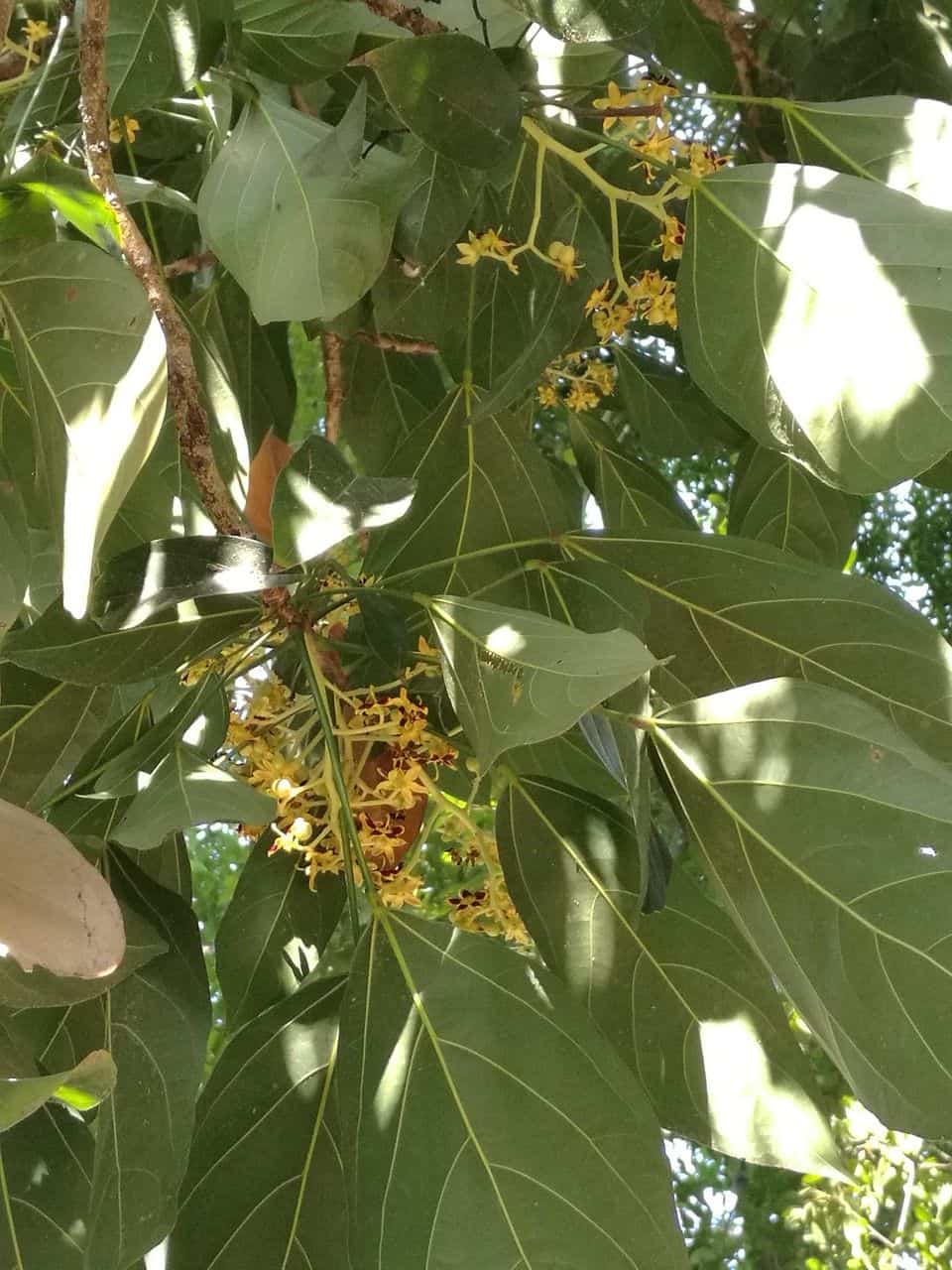
Clerodendrum cyrtophyllum

Unlocking the Secrets of Clerodendrum cyrtophyllum Propagation: Grow Your Own Fragrant Garden

Clerodendrum cyrtophyllum, also known as the glory flower or butterfly bush, is a captivating deciduous shrub prized for its fragrant blossoms and ability to attract pollinators like butterflies and hummingingbirds. While finding this beauty in your local nursery can be a challenge, propagating Clerodendrum cyrtophyllum is surprisingly achievable, even for novice gardeners.

This comprehensive guide will equip you with the knowledge and techniques to successfully multiply your Clerodendrum cyrtophyllum, allowing you to share this horticultural gem with friends and family or expand your own fragrant sanctuary.

Two Paths to Propagation Success:

Clerodendrum cyrtophyllum can be propagated through two primary methods: stem cuttings and seeds.

1. Propagating Clerodendrum cyrtophyllum from Stem Cuttings:

This is the most reliable and widely practiced method, offering faster results and ensuring the new plant retains the parent plant’s characteristics.

Step-by-step Guide to Stem Cuttings:

  • Timing is Key: The ideal time for taking cuttings is during the active growing season, preferrably in late spring or early summer when the plant’s energy is high.
  • Selecting the Right Cuttings: Choose healthy, non-flowering stems that are about 4-6 inches long. Look for stems with at least two to three nodes (small bumps where leaves emerge).
  • Preparing the Cuttings: Using a sharp, sterilized knife or pruning shears, make a clean cut just below a node. Remove the lower leaves, leaving only two or three at the top.
  • Hormone Treatment (Optional): Although not strictly necessary, dipping the cut end in rooting hormone powder can significantly increase the success rate and speed up root development.
  • Planting the Cuttings: Plant the prepared cuttings in a well-draining rooting medium. A mixture of peat moss and perlite works well.
  • Creating a Humid Environment: Cover the pot with a clear plastic bag or a propagation dome to trap moisture and create a humid environment that encourages rooting.
  • Patience is Paramount: Place the pot in a warm, bright location, out of direct sunlight. Keep the soil consistently moist but not waterlogged. Rooting can take anywhere from 4 to 8 weeks.
  • Transplanting the Rooted Cuttings: Once your cuttings have developed a healthy root system, you can transplant them into individual pots filled with a well-draining potting mix.

2. Propagating Clerodendrum cyrtophyllum from Seeds:

While slightly less predictable than stem cuttings, growing Clerodendrum cyrtophyllum from seeds can be a rewarding experience.

Step-by-step Guide to Seed Propagation:

  • Seed Collection: Collect mature seed pods from the plant after the flowers fade. Allow the pods to dry completely before extracting the seeds.
  • Seed Starting Mix: Plant the seeds in a seed-starting mix, lightly covering them with soil.
  • Warmth and Light: Place the seed tray in a warm, brightly lit area, ensuring the soil remains consistently moist.
  • Germination Period: Seed germination can be unpredictable, taking anywhere from a few weeks to a couple of months.
  • Transplanting Seedlings: Once the seedlings are large enough to handle, carefully transplant them into individual pots filled with a well-draining potting mix.

Tips for Propagation Success:

  • Sterilization is Key: Always use clean and sterilized tools when working with your cuttings or seeds to prevent the spread of disease.
  • Indirect Light is Best: Avoid placing your cuttings or seedlings in direct sunlight, which can scorch them. Bright, indirect light is ideal for healthy growth.
  • Patience is a Virtue: Propagation requires patience. Don’t be discouraged if you don’t see results immediately. Continue to provide proper care, and you’ll be rewarded with new plants.

By following these steps and embracing the joy of experimentation, you can confidently propagate your own Clerodendrum cyrtophyllum and enjoy the beauty and fragrance of this captivating plant for years to come. Share the joy of gardening and spread the fragrant bounty by gifting these self-propagated wonders to loved ones.