
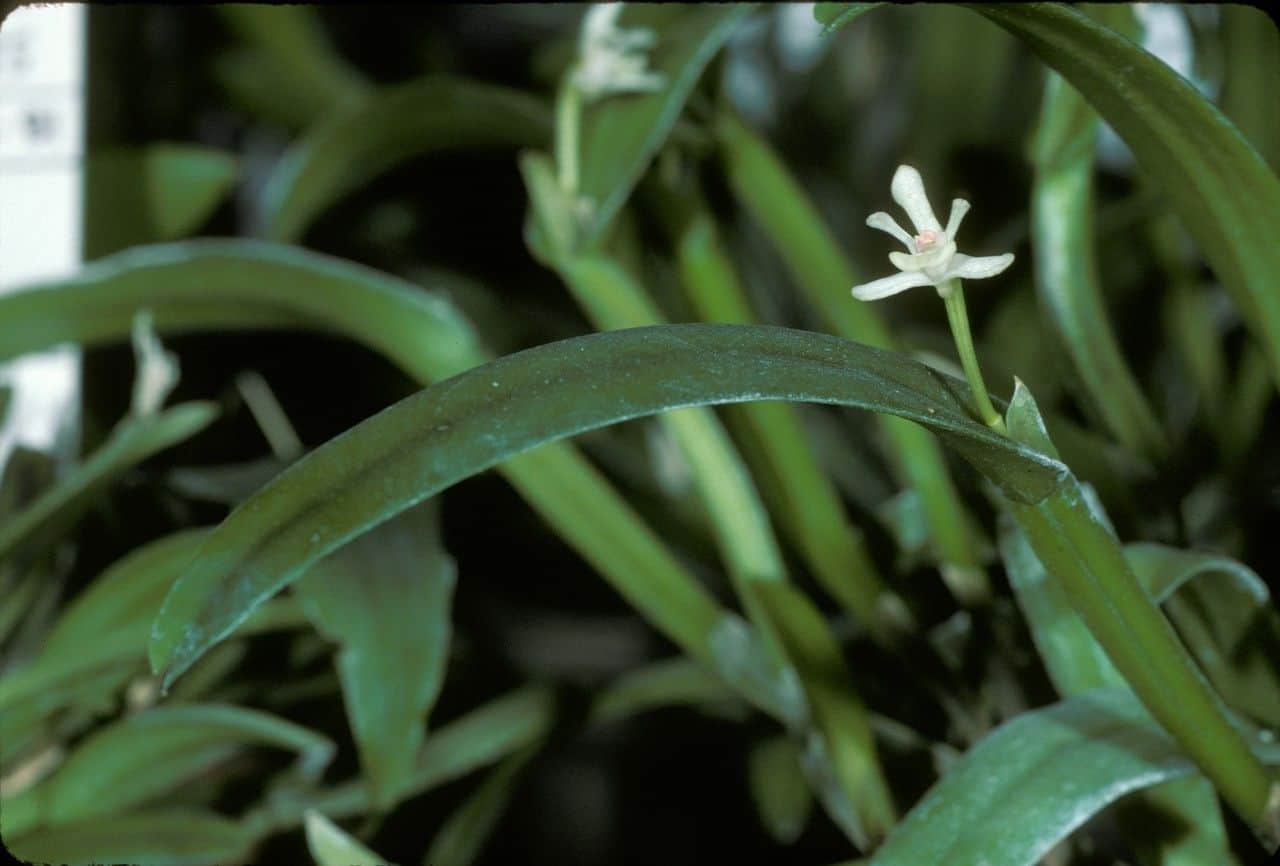
Unlocking the Secrets of Dendrobium danipense Propagation: A Guide for Beginners
The Dendrobium danipense, a stunning orchid native to the Himalayas, captivates with its vibrant blooms and delicate fragrance. While admiring its beauty is rewarding, propagating this exotic orchid adds a whole new level of satisfaction. If you’ve dreamt of multiplying your Dendrobium danipense or simply want to delve into the world of orchid propagation, this guide will equip you with the knowledge and confidence to succeed.
Understanding Your Orchid:
Dendrobium danipense falls into the category of "cane" orchids, characterized by their upright, jointed stems called canes. Understanding its growth habit is key to successful propagation. These orchids typically produce new growth from the base of mature canes, and it’s these new growths, known as "keikis," that hold the key to propagation.
Methods of Propagation:
1. Keiki Division:
- The Ideal Time: Wait until the keiki develops its own root system, ideally with roots at least 2-3 inches long. This ensures the new plant can sustain itself.
- The Process: Carefully separate the keiki from the mother plant using a sterilized cutting tool. Ensure you include a portion of the cane from which it’s growing.
- Potting & Care: Plant the division in a well-draining orchid potting mix, providing ample humidity and indirect sunlight. Water sparingly until new growth is observed.
2. Backbulb Propagation:
- When to Consider: If your Dendrobium danipense has several mature, leafless canes (backbulbs), these can be encouraged to produce new plants.
- Creating the Right Environment: Place the backbulbs horizontally on top of a moist sphagnum moss bed, ensuring good air circulation. Provide warm temperatures and bright, indirect light.
- Patience is Key: Over time, new growths may emerge from the nodes along the backbulb. Once these develop roots, they can be treated as individual plants.
Essential Tips for Success:
- Sterilization is Crucial: Use sterilized tools and pots to prevent the spread of diseases.
- Potting Mix Matters: A well-draining orchid mix is crucial for Dendrobium danipense. Avoid regular potting soil, as it retains too much moisture and can lead to root rot.
- Light and Humidity: Mimic the orchid’s natural environment by providing bright, indirect light and high humidity. A humidity tray or placing the plant in a naturally humid room can be beneficial.
- Watering Wisely: Water thoroughly when the potting mix is nearly dry. Overwatering is a common pitfall, so allow the mix to dry out between waterings.
Patience and Observation are Your Allies:
Propagating Dendrobium danipense, like any orchid, requires patience. It may take weeks or even months for new growth to emerge. Keep a close eye on your propagations, adjusting your care routine based on their needs and the environment.
With a little dedication and the tips outlined above, you can unlock the secrets of propagating your Dendrobium danipense, expanding your orchid family and enjoying the rewards of nurturing these remarkable plants through their lifecycle.