
Propagating Clematis alternata: A Gardener’s Guide
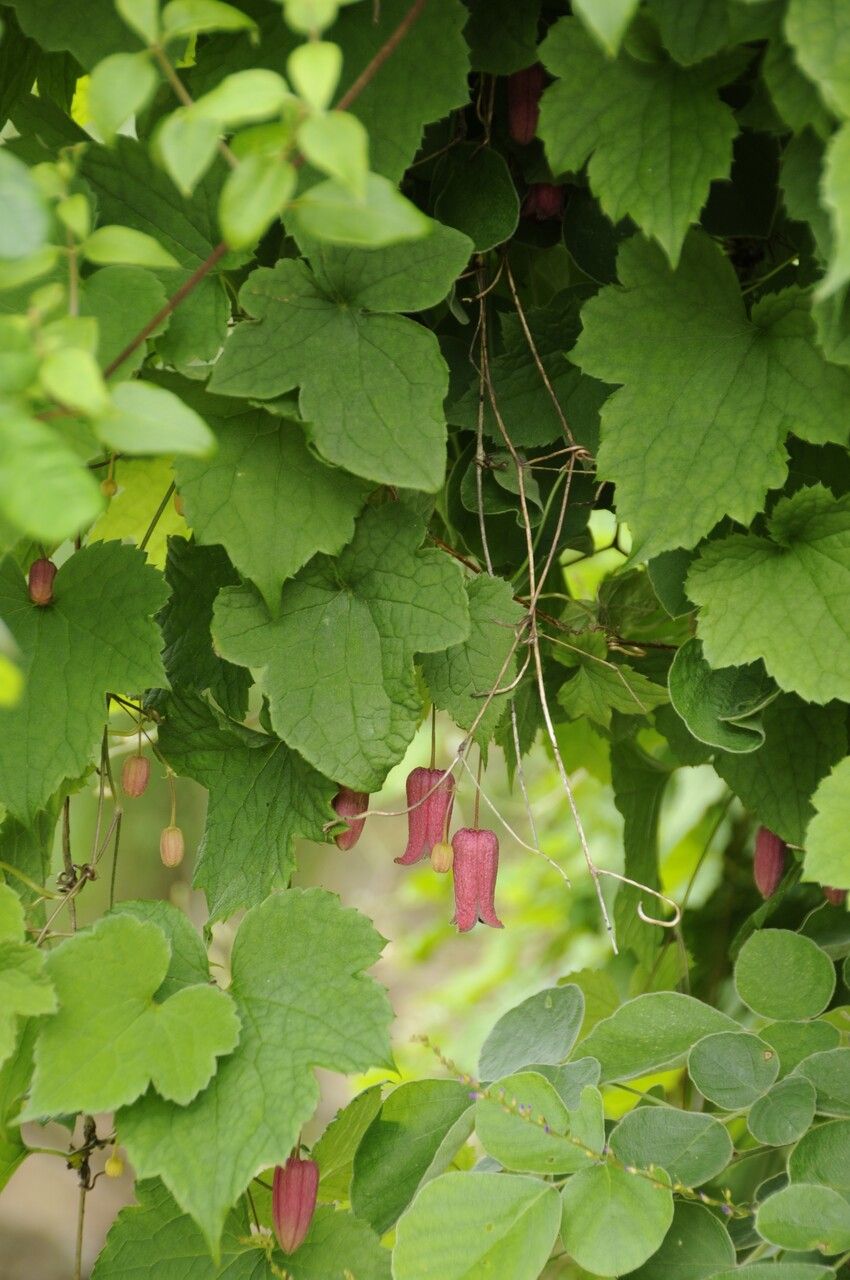
Clematis alternata, also known as the Japanese Leather Flower, is a captivating vine prized for its unique, bell-shaped, deep burgundy flowers and attractive, almost leathery foliage. Its relatively uncommon status among gardeners, coupled with its striking beauty, makes successful propagation a particularly rewarding endeavor. However, certain challenges exist across different propagation methods, as we will explore below.
Seed Germination:
Currently, there are no known reliable methods for seed germination propagation of Clematis alternata. Seed viability is often low, and even under carefully controlled conditions, germination rates remain unpredictable. The dormancy mechanisms of this species appear particularly robust, resisting common stratification techniques employed with other Clematis species. Therefore, relying on seed for propagation is not recommended for the average gardener.
Cuttings:
Cuttings offer a more achievable method for propagating Clematis alternata. While not entirely straightforward, success is more likely than with seed.
- Challenges: Clematis cuttings can be slow to root, and the success rate depends heavily on timing and technique. Using semi-hardwood cuttings (taken from new growth that has begun to harden) is typically recommended.
- Practical Tips: Take cuttings in late summer or early autumn. Use a sharp, clean knife or shears to make 4-6 inch cuttings, removing lower leaves to prevent rot. Dip the cut ends in rooting hormone powder before planting in a well-draining propagation mix (e.g., a mix of perlite and peat moss). Maintain high humidity using a propagator or plastic bag, and ensure consistent moisture but avoid overwatering. Rooting typically takes several weeks to months.
- Rewards: Cuttings offer a relatively reliable method for quickly increasing the number of plants. The resulting plants will be genetically identical to their parent plant, ensuring you maintain desirable traits.
Division:
Division is a viable method, especially for established plants.
- Challenges: Clematis alternata, while a climber, doesn’t produce the extensive rhizomatous growth seen in some other Clematis species. This means division might require careful handling to avoid damaging the root system, which could inhibit regrowth. Furthermore, mature plants are often best suited for division.
- Practical Tips: The best time to divide is in early spring or autumn. After carefully digging up the mature plant, separate it into sections, ensuring each division has a healthy portion of roots and several stems. Replant the divisions immediately in well-prepared soil, maintaining adequate moisture until they establish.
- Rewards: Division is a rapid way to increase plant numbers, especially beneficial for gardeners with established Clematis alternata. Like cuttings, the resulting plants maintain the characteristics of the parent plant.
Tissue Culture:
Tissue culture is a highly specialized method that requires laboratory equipment and expertise.
- Challenges: The establishment of a sterile tissue culture protocol for Clematis alternata is complex and would require considerable research and development. It’s not a practical method for the home gardener.
- Practical Tips: This method is best left to professional nurseries and research institutions that possess the necessary facilities and knowledge.
- Rewards: Tissue culture can, theoretically, produce a large quantity of plants quickly and disease-free, but the process remains highly specialized and costly.
Conclusion:
Propagating Clematis alternata presents a unique challenge for the home gardener. While seed germination is unreliable, cuttings and division offer viable paths to success, requiring patience, skill, and a degree of horticultural know-how. Tissue culture offers potential for large-scale propagation but remains inaccessible to most enthusiasts. The effort invested, however, is richly rewarded by the privilege of cultivating this beautiful and unique plant. The satisfaction obtained from nurturing a cutting from a simple stem to a flowering vine is unparalleled, making the slight difficulties involved all the more worth it for the dedicated gardener. Don’t be discouraged by initial setbacks; persevere, refine your techniques, and enjoy the journey of propagating this captivating climber.