
Propagating the California Sunray: A Guide to Helianthella californica
Introduction:
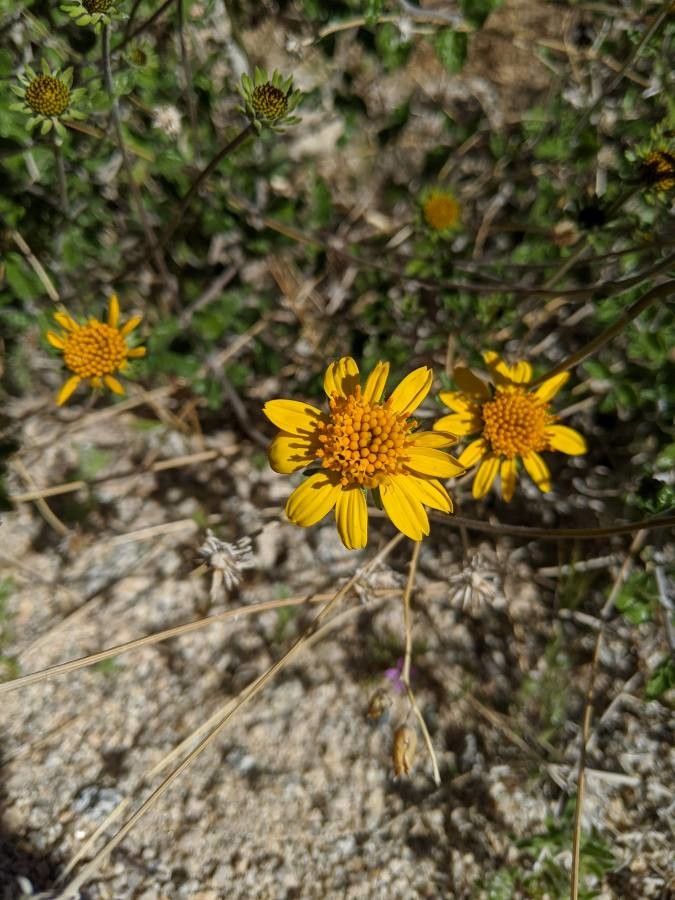
Helianthella californica, commonly known as the California sunray, is a captivating perennial wildflower native to the western United States. Its striking, daisy-like yellow flowers, reaching up to 4 inches across, grace meadows and open woodlands from spring to summer. The plant’s sturdy stems and attractive foliage add to its appeal, making it a sought-after addition to naturalistic gardens. Its robust nature and tolerance for drought conditions make it a valuable asset in water-wise landscaping. However, propagating Helianthella californica can present unique challenges, rewarding the dedicated gardener with a sense of accomplishment. Its popularity amongst gardeners stems from its beauty and hardiness, but successfully establishing new plants requires patience and understanding of its specific needs.
Seed Germination:
Seed germination is a viable, albeit challenging, method for propagating Helianthella californica. The primary challenge lies in the relatively low germination rate and the requirement for cold stratification. Seeds benefit from a period of cold, moist treatment to break dormancy.
Challenges: Low germination rate, need for stratification.
Practical Tips: Collect seeds in the late summer or early fall after the flower heads have matured and dried. Sow seeds in a well-draining seed-starting mix. Stratify seeds by mixing them with slightly moist vermiculite or perlite and placing them in a sealed container in the refrigerator for 6-8 weeks at temperatures between 35-40°F (1-4°C). After stratification, sow seeds at a depth of about ¼ inch, keeping the soil consistently moist but not waterlogged. Maintain temperatures around 65-70°F (18-21°C). Germination can take several weeks or even months.
Rewards: High genetic diversity among seedlings, potential for large-scale propagation for conservation or garden use.
Cuttings:
Currently, there are no known reliable methods for propagating Helianthella californica from cuttings. The plant’s woody stems do not readily root from softwood or hardwood cuttings.
Division:
Division is a relatively straightforward and successful method for propagating Helianthella californica. Established plants, after a few years, develop a clump of rhizomes.
Challenges: Requires an established plant, best done in early spring or fall.
Practical Tips: Carefully dig up the mature plant. Divide the clump into smaller sections, ensuring each section has healthy roots and several shoots. Replant the divisions immediately, ensuring good soil contact and adequate watering.
Rewards: High success rate, quicker establishment compared to seed propagation.
Tissue Culture:
Tissue culture propagation of Helianthella californica is possible, though it requires specialized equipment and expertise. It is generally not a practical method for the home gardener.
Challenges: Requires specialized equipment, sterile lab conditions, and technical knowledge.
Practical Tips: This is best left to commercial plant propagators or research institutions with experience in plant tissue culture.
Rewards: Potential for mass propagation and the preservation of desirable traits. Useful for large-scale conservation efforts.
Conclusion:
Propagating Helianthella californica presents varying levels of difficulty depending on the chosen method. Seed germination, while possible, requires patience and attention to detail regarding stratification. Division offers a much higher success rate for the home gardener. Cuttings and tissue culture are generally not viable options for amateur propagation. The rewards, however, are well worth the effort. The unique satisfaction of nurturing a California sunray from seed or division, a plant that holds beauty and resilience, is deeply rewarding for any gardener. Whether you choose seed or division, remember consistency in watering and providing well-draining soil are key to success. Embrace the challenges, celebrate the successes, and relish the beauty of this remarkable Californian native.