
Propagating Clematis columbiana: Challenges and Rewards of the Wild Clematis
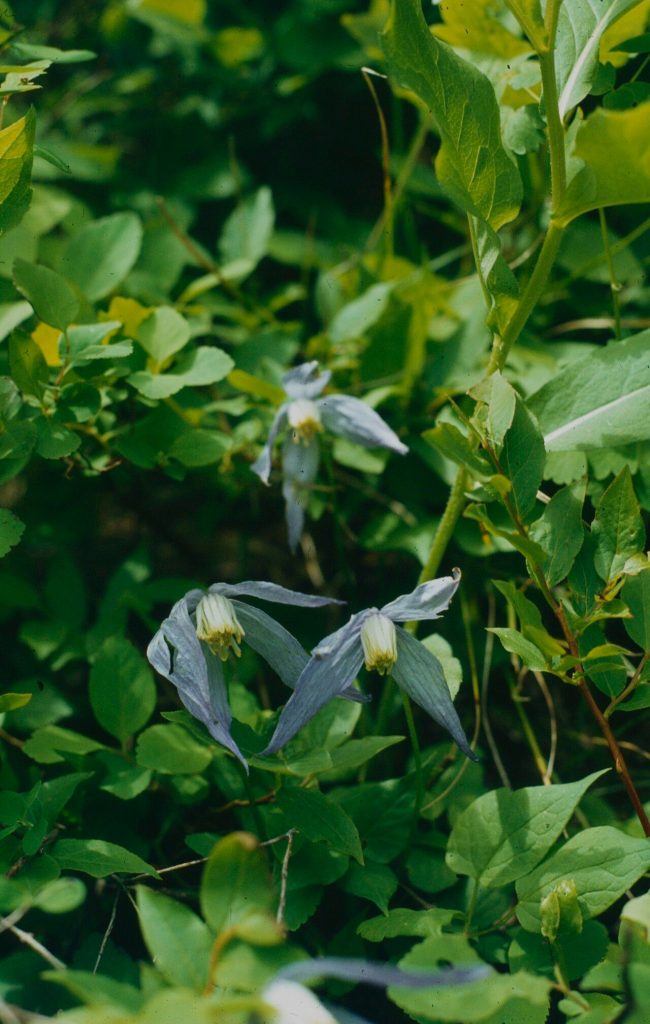
Clematis columbiana, also known as the Western or Columbia Clematis, is a captivating native vine prized for its delicate, nodding, bell-shaped white flowers and its adaptability to various garden settings. Its vigorous growth and long bloom period make it a popular choice among gardeners, although its propagation presents unique challenges. Unlike some of its more commonly cultivated relatives, Clematis columbiana doesn’t readily lend itself to all propagation methods. This article explores the feasibility and techniques for propagating this beautiful, yet sometimes elusive, climber.
Seed Germination:
Currently, there are no known reliable methods for seed germination propagation of Clematis columbiana. While seeds may be produced, their germination rate is reportedly extremely low, and consistent success is elusive even under carefully controlled conditions. The dormancy period and specific requirements for germination appear to be poorly understood, hindering widespread propagation via this method.
Cuttings:
Cuttings offer a more promising approach for propagating Clematis columbiana. However, success requires patience and attention to detail.
Challenges: Rooting can be slow and inconsistent. The success rate depends heavily on the timing (ideally, semi-hardwood cuttings taken in late summer or early autumn), the use of rooting hormone, and maintaining high humidity levels.
Practical Tips: Take 4-6 inch cuttings from new growth that is semi-hardened. Remove lower leaves, dip the cut end in rooting hormone, and plant in a well-draining, moist propagation mix (e.g., a blend of perlite and peat moss). Cover the cuttings with a clear plastic dome or bag to maintain humidity, and mist regularly. Provide bright, indirect light. Rooting may take several weeks or even months.
Rewards: Cuttings provide a reliable method for cloning desirable traits from a parent plant, ensuring uniformity in offspring. This is particularly valuable for preserving specific cultivars or exceptional specimens.
Division:
Division, particularly of established plants, is a relatively successful method for propagating Clematis columbiana.
Challenges: This method is only feasible for well-established plants with a substantial root system. Care must be taken to avoid damaging the roots, which can significantly impact the success of the division.
Practical Tips: Ideally, divide the plant in early spring before new growth begins. Dig up the entire plant carefully, and gently separate the root ball into several sections, ensuring each division has sufficient roots and healthy shoots. Replant immediately in well-prepared soil.
Rewards: Division is a quick and relatively easy method, producing multiple plants from a single specimen. It allows for rapid increase in the number of plants, useful for landscaping projects or supplying propagation material.
Tissue Culture:
Tissue culture is a complex and specialized technique that, while potentially highly effective for propagating Clematis columbiana, is not widely practiced for this specific species.
Challenges: Tissue culture requires specialized equipment, lab facilities, and expertise. It is resource-intensive and may not be cost-effective for small-scale propagation. Developing optimized protocols specific to this species would require significant research and development.
Practical Tips: This method is generally best left to specialized nurseries or research institutions.
Rewards: Tissue culture offers the opportunity for large-scale propagation and the elimination of pathogens from the plant material.
Conclusion:
Propagating Clematis columbiana presents unique challenges. While seed germination is currently unreliable, cuttings and division offer more realistic approaches, each with its own set of considerations. Tissue culture presents potential for large-scale propagation, but necessitates specialized resources. The rewards of successfully propagating Clematis columbiana, however, are significant. The unique satisfaction derived from nurturing a cutting to a robust climbing plant, or carefully dividing a mature specimen to create multiple new ones, is a testament to the gardener’s patience and persistence. The challenges involved only heighten the sense of accomplishment when faced with the beauty of a thriving Clematis columbiana, a success hard-earned and richly deserved. For aspiring propagators, we encourage perseverance and diligent attention to detail; the rewards are worth the effort.