
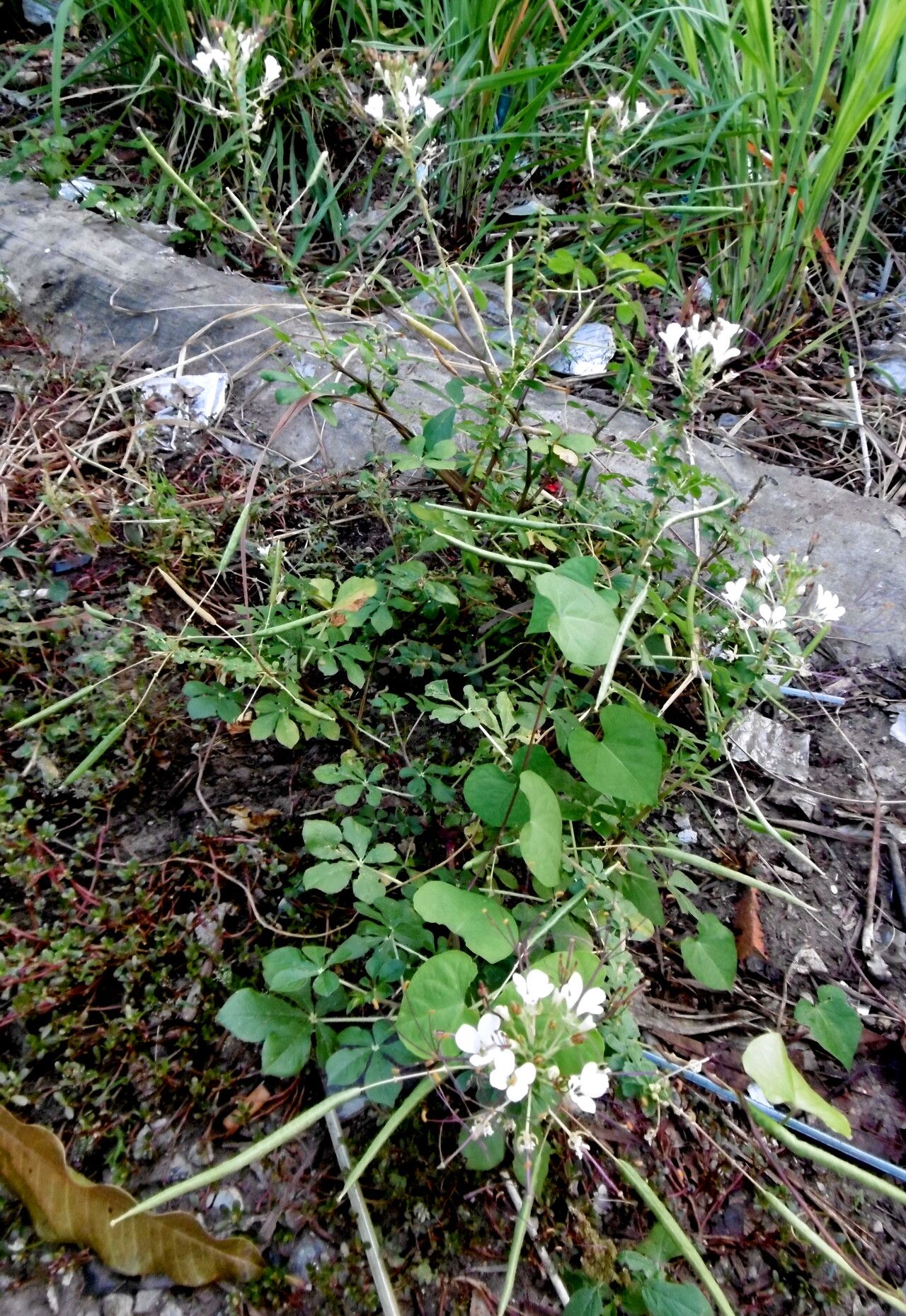
Unleash a Flurry of Spider Flowers: Your Guide to Propagating Cleome Gynandra
Cleome gynandra, more affectionately known as the spider flower or spider plant (not to be confused with the houseplant), is a captivating addition to any garden. With its unique, spidery blooms and airy foliage, it brings a touch of whimsy and a burst of color to your outdoor space. If you’re already smitten with this charming plant or simply looking for an easy-to-grow annual, propagating Cleome gynandra is a breeze. Let’s delve into the simple steps that will help you cultivate an abundance of these delightful flowers:
Method 1: Seed Starting – The Gift that Keeps on Giving
Cleome gynandra is a champion self-seeder, meaning it readily drops seeds that sprout new plants the following year. However, for a more controlled approach and to ensure a bountiful bloom right from the start of the season, seed starting is the way to go.
Here’s what you’ll need:
- Seed Starting Mix: Choose a light and well-draining mix.
- Seed Trays or Pots: Opt for small to medium-sized containers.
- Water: Room temperature water is best.
- Light Source: Seedlings need plenty of sunlight or grow lights.
Steps:
- Timing is Key: Start your seeds indoors 6-8 weeks before the last expected frost in your region.
- Sow with Care: Sprinkle seeds over the surface of your moistened seed starting mix. Cleome seeds need light to germinate, so avoid burying them deeply. Just press them gently onto the surface.
- Keep it Humid: Cover your trays or pots with a humidity dome or plastic wrap to create a greenhouse-like environment. This will help keep the soil consistently moist.
- Let There be Light: Place your seed trays in a bright location. A sunny windowsill or under grow lights will provide the necessary light for germination.
- Water Wisely: Keep the soil consistently moist but avoid overwatering. Once your seedlings emerge (usually within 1-2 weeks), you can reduce the watering frequency slightly.
- Transplant Time: When your seedlings develop a couple of sets of true leaves and the danger of frost has passed, it’s time to transplant them outdoors. Choose a sunny spot with well-drained soil.
Method 2: Direct Sowing – Embrace the Simplicity
If indoor seed starting feels like too much effort, fear not! Cleome gynandra can be directly sown in your garden after the last frost.
Steps:
- Prepare the Bed: Choose a sunny location and loosen the soil. Amend the soil with compost for added nutrients.
- Scatter the Seeds: Sprinkle your seeds over the prepared bed.
- Thinning Out: Once the seedlings emerge and reach a couple of inches tall, thin them out, leaving approximately 12-18 inches between each plant. This allows for adequate airflow and prevents overcrowding.
Caring for Your Cleome Gynandra
Whether you’ve nurtured your spider flowers from seed or chosen the direct sowing method, Cleome gynandra is incredibly low-maintenance.
- Watering: Water regularly, especially during dry periods.
- Fertilizing: While not essential, a light application of balanced fertilizer monthly can promote bushier growth and more abundant blooms.
- Deadheading Delights: For prolonged flowering, pinch off spent blooms. This encourages the plant to put its energy into producing more flowers instead of seeds.
A Buzz of Activity:
Prepare to be enchanted not only by the beauty of Cleome gynandra but also by the flurry of pollinators it attracts. Bees, butterflies, and hummingbirds will flock to your garden, drawn in by the sweet nectar and alluring fragrance of these unique flowers.
Propagating Cleome gynandra is a rewarding endeavor that allows you to enjoy a multitude of these charming, easy-going flowers year after year. So, grab your gardening gloves and unleash a captivating display of spider flowers in your garden!