
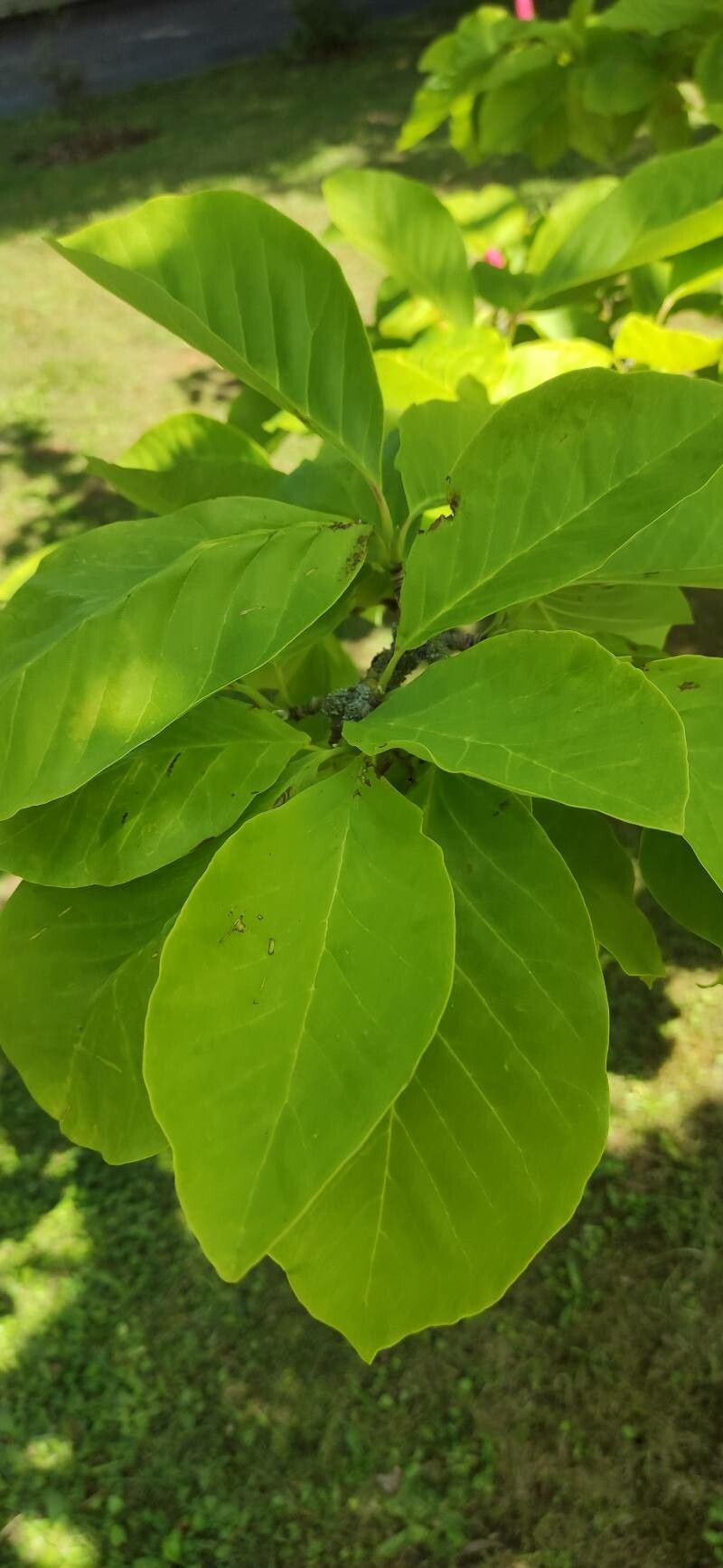
Unlocking the Secrets of Cucumber Tree Propagation: A Guide to Growing Magnolia acuminata
The Cucumber Tree, or Magnolia acuminata, is a majestic tree prized for its large, handsome leaves and unique cucumber-like fruit. Reaching soaring heights and boasting a graceful silhouette, this North American native can be a stunning addition to larger landscapes. If you’re dreaming of having a Cucumber Tree grace your property, understanding its propagation methods is key. Let’s dive into the fascinating world of growing Magnolia acuminata from scratch!
Method 1: Starting from Seed
Propagation from seed is the most common method for the Cucumber Tree. While it requires a bit of patience, witnessing the journey from tiny seed to towering tree is incredibly rewarding.
Seed Collection and Preparation: Collect mature, reddish-brown fruits in the fall. Extract the seeds and remove the fleshy outer coating. To break their dormancy, the seeds need a period of cold stratification. Place them in a moist medium like sand or peat moss, seal in a plastic bag, and store in the refrigerator (around 40°F) for at least 3 months.
Sowing: In spring, sow the stratified seeds in a well-draining seed starting mix. Plant them about ½ inch deep and keep the soil consistently moist but not waterlogged.
- Germination and Care: Be patient, as germination can take several weeks. Provide seedlings with dappled sunlight or light shade and keep them consistently watered.
Method 2: Taking Cuttings
While slightly more challenging than seed propagation, taking cuttings can be a faster way to get a genetically identical tree.
Timing is Key: Early summer is the ideal time to take cuttings from new growth.
Cuttings Selection and Preparation: Select healthy, non-flowering shoots. Make a clean cut about 6-8 inches long, just below a leaf node. Remove the leaves from the lower half of the cutting.
Rooting Hormone and Planting: Dipping the cut end in rooting hormone can significantly increase your success rate. Plant the cuttings in a well-draining potting mix and provide high humidity by covering them with a plastic bag or placing them in a humidity dome.
- Patience and Care: Keep the cuttings in a warm, bright location, out of direct sunlight. It can take several weeks for roots to develop. Once new growth appears, you can gradually acclimate the cuttings to outdoor conditions before transplanting.
Method 3: Air Layering (Advanced Technique)
Air layering is a more advanced technique, but it can be a viable option for propagating larger branches of established Cucumber Trees.
Branch Selection and Preparation: Choose a healthy branch about 1-2 inches in diameter. Make a 1-inch upward cut about 12-18 inches from the branch tip and dust the wound with rooting hormone.
Creating a Rooting Medium: Surround the wounded area with moist sphagnum moss and wrap it with plastic wrap, securing the ends tightly.
Patience and Root Development: Keep the moss consistently moist. It can take several months for roots to develop within the moss.
- Separation and Potting: Once the roots are well-established, carefully cut the branch below the rooted area and pot it in a well-draining soil mix.
Patience is the Gardener’s Greatest Virtue
Propagating Magnolia acuminata, regardless of the method, requires a healthy dose of patience. Remember, it might take several years for your young trees to flower and fruit. But with proper care and attention, you’ll be rewarded with a majestic Cucumber Tree that will grace your landscape for generations to come!