
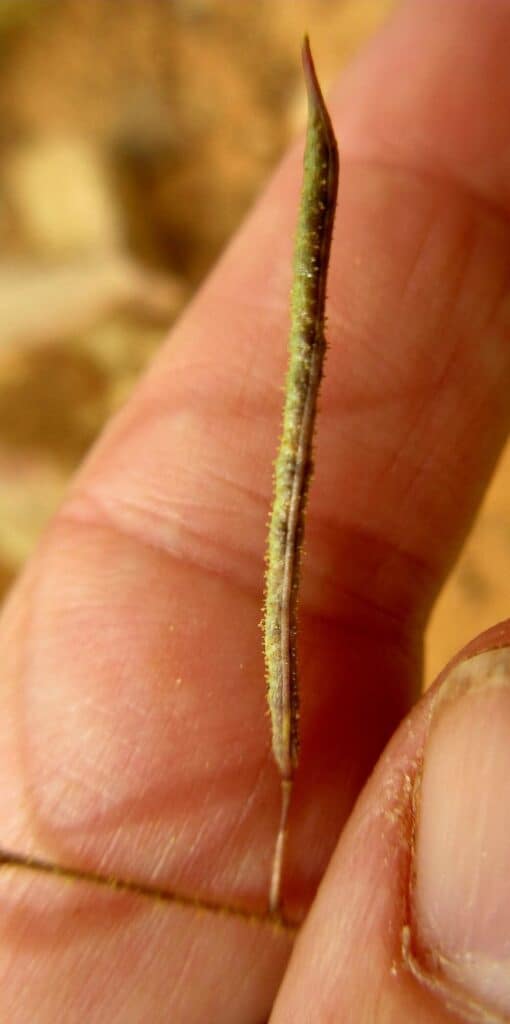
Unveiling the Secrets of Cleome Scaposa Propagation: From Seed to Spectacular Bloom
Cleome scaposa, also known as the spider flower or spider plant (not to be confused with the houseplant Chlorophytum comosum!), is a captivating annual that brings vibrant color and whimsical charm to gardens worldwide. With its unique, spidery blooms that dance gracefully atop long stems, Cleome scaposa is a showstopper that’s surprisingly easy to propagate. Whether you’re a seasoned gardener or just starting, let’s explore the different methods of welcoming more of these floral marvels into your outdoor haven.
Method 1: The Magic of Seed Starting
For many gardeners, the journey with Cleome scaposa begins with a tiny seed. These little powerhouses hold the potential for an abundant display of blooms and offer the most cost-effective propagation method. Here’s a step-by-step guide:
-
Timing is Everything: Start your seeds indoors 6-8 weeks before your last expected frost. This gives them a head start before being transplanted outdoors.
-
Create a Cozy Nursery: Sow seeds in seed-starting mix, barely covering them with soil. They need light to germinate.
-
Warmth and Moisture: Place your seed trays in a warm spot (around 70-75°F) and keep the soil consistently moist but not soggy.
-
First Sprouts of Joy: Germination typically takes 10-14 days. Once seedlings emerge, provide ample light, either from a sunny window or grow lights.
- Ready to Transplant: After the last frost, gradually harden off your seedlings by introducing them to outdoor conditions for increasingly longer periods. Once they’re acclimatized, transplant them into well-drained soil in a sunny spot.
Method 2: Cuttings – A Quicker Path to Blooms
If you’re looking for a faster route to blooming plants or want to replicate the exact characteristics of a particular Cleome scaposa variety, cuttings are an excellent option:
-
Choose Wisely: Select healthy, non-flowering stems from an established plant. Cuttings taken from the base often root more successfully.
-
Prepare the Cutting: Using a clean, sharp knife or pruning shears, take a 4-6 inch cutting just below a leaf node. Remove the lower leaves, leaving only a few at the top.
-
Rooting Hormone Advantage (Optional): Dip the cut end in rooting hormone powder to encourage faster root development.
-
Potting Up: Plant the cutting in a well-draining potting mix, burying a couple of leaf nodes to provide stability.
-
Create a Humid Environment: Cover the pot with a plastic bag or use a propagation dome to retain moisture and humidity, mimicking greenhouse conditions.
- Patience is Key: Cuttings usually take a few weeks to develop roots. Once you see new growth, it’s a good indication that rooting is successful. Gradually acclimate the cutting to outdoor conditions before transplanting it into the garden.
Essential Tips for Success:
- Well-Drained Soil: Cleome scaposa thrives in loose, well-drained soil. Poor drainage can lead to root rot.
- Sun Lovers: Plant your Cleome scaposa in a location that receives at least 6 hours of direct sunlight per day for optimal flowering.
- Deadheading Delights: Regularly removing spent blooms encourages continuous flowering throughout the season.
Propagating Cleome scaposa is a rewarding endeavor that allows you to multiply these charming flowers, creating a breathtaking spectacle of color in your garden. Whether you choose the enchantment of seed starting or the efficiency of cuttings, embracing these techniques empowers you to cultivate a thriving haven filled with the unique beauty of Cleome scaposa.