
Seeding Success: A Guide to Propagating Yellow Cleomella
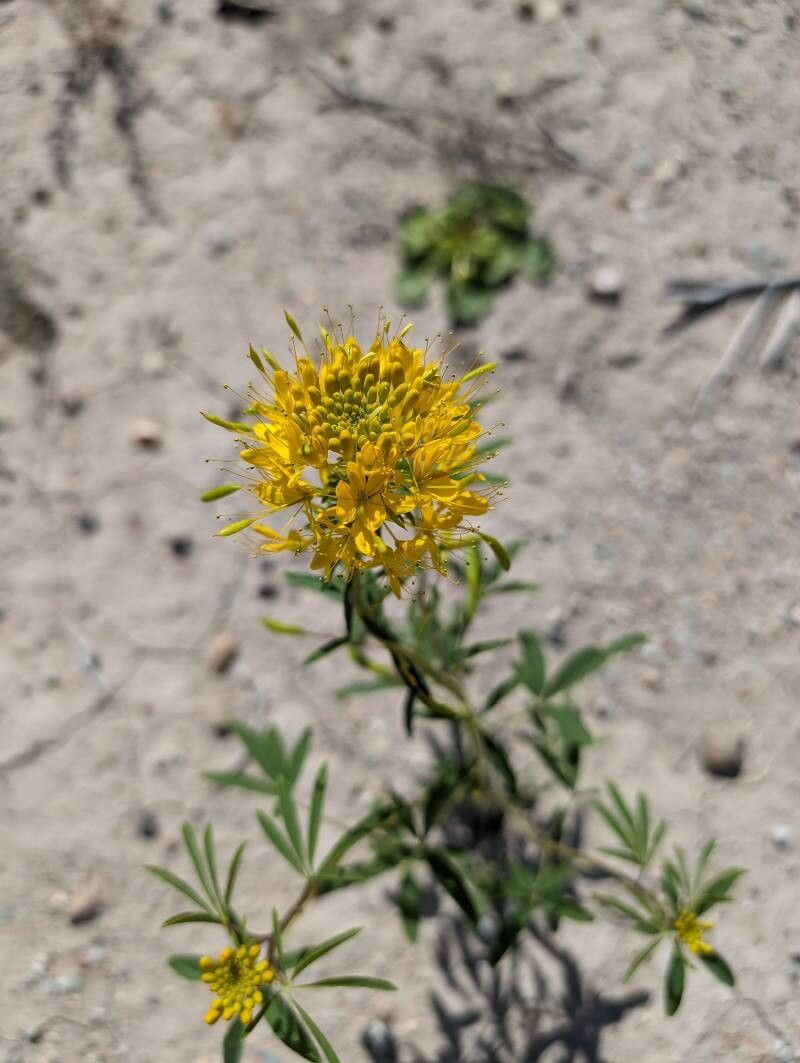
The Yellow Cleomella (Cleomella lutea), also known charmingly as the Yellow Spiderflower, is a delightful annual wildflower native to the western United States. Bursting with sunshine-yellow, spider-like blooms throughout the spring and summer, this hardy plant can brighten any dry, sunny garden. If you’re hoping to introduce this cheerful beauty to your landscape, propagating Yellow Cleomella from seed is a surprisingly simple process. Let’s delve into the steps that will help you cultivate these vibrant blooms year after year.
Timing is Everything: When to Sow
Yellow Cleomella seeds are best sown directly outdoors either in the fall or early spring. Fall sowing allows the seeds to benefit from natural stratification, a period of cold exposure that promotes germination. In areas with milder winters, spring sowing after the last frost is a suitable option.
Choosing the Perfect Spot:
Remember, Yellow Cleomella thrives in sunny environments and well-drained soil. Select a location in your garden that receives at least six hours of direct sunlight per day. While these hardy plants tolerate poor soil conditions, amending the planting area with compost can improve drainage and provide valuable nutrients.
Sowing Your Seeds:
Direct sowing is the easiest and most effective method for Yellow Cleomella.
- Prepare the Soil: Clear the area of any weeds and loosen the soil to a depth of about six inches. Rake the soil smooth to create a level planting surface.
- Scatter the Seeds: Sprinkle the seeds sparsely over the prepared soil. Aim for a spacing of about 6-12 inches apart to give the plants ample room to grow.
- Barely Cover: Yellow Cleomella seeds need light to germinate. Lightly press the seeds into the soil with your hand or the back of a rake, ensuring they are covered with no more than 1/4 inch of soil.
- Water Gently: Water the area thoroughly but gently, using a mist setting or a watering can with a fine rose to avoid dislodging the seeds. Keep the soil consistently moist until the seeds germinate.
Germination and Beyond:
With proper conditions, Yellow Cleomella seeds typically germinate within 10-21 days.
- Thinning: Once seedlings reach a height of 2-3 inches, thin them out to ensure proper spacing. This process involves carefully removing weaker seedlings to allow the strongest ones to thrive.
- Watering: While relatively drought-tolerant once established, regular watering during dry periods will encourage healthy growth and abundant blooms. Aim for about an inch of water per week.
- Deadheading: Although not essential, removing spent flowers can encourage continuous blooming and prevent self-seeding if you prefer to control their spread.
Enjoying the Show:
With minimal effort, you can enjoy the cheerful blooms of Yellow Cleomella. These vibrant wildflowers not only add a splash of color to the garden but also attract beneficial pollinators like bees and butterflies. In addition to their aesthetic appeal, Yellow Cleomella are low-maintenance plants that require minimal care once established, making them an excellent choice for both novice and experienced gardeners alike.
Propagating Yellow Cleomella from seed is a rewarding endeavor that allows you to enjoy these charming wildflowers year after year. So why not give it a try? With a little patience and these simple steps, you’ll be rewarded with a vibrant display of sunshine-yellow blooms that will brighten your garden and welcome beneficial pollinators.