
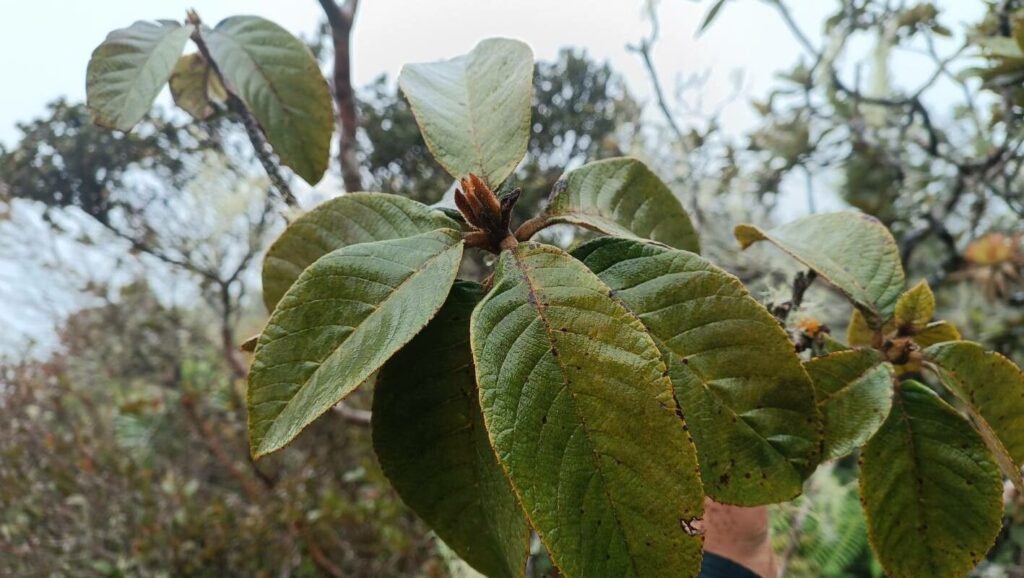
Unleashing the Floral Magic of Clethra Alexandri: A Propagation Guide
Clethra alexandri, with its elegant spires of fragrant, lily-of-the-valley-like blooms, is a sight to behold. This mesmerizing shrub, also known as Lily-of-the-Valley bush, can be a showstopping addition to your garden, attracting pollinators and gracing your space with its delightful aroma.
While acquiring one from a nursery is always an option, propagating your own Clethra alexandri can be an incredibly rewarding experience. Let’s delve into the secrets of successfully propagating this beautiful shrub, allowing you to share its charm with fellow plant enthusiasts or simply expand your own blooming haven.
Two Paths to Propagation
Clethra alexandri offers two main methods of propagation: softwood cuttings and seeds.
1. Propagating Clethra Alexandri from Softwood Cuttings:
This method provides quicker results and ensures the offspring retains the parent plant’s characteristics. Here’s a step-by-step guide:
- Timing is Key: The ideal time for taking softwood cuttings is late spring or early summer, when the new growth is still pliable but starting to firm up.
- Gathering Your Tools: You’ll need a sharp, sterilized pruning shear or knife, a rooting hormone (preferably a powder form), and a well-draining potting mix specifically formulated for cuttings.
- Taking the Cutting: Select a healthy, non-flowering stem from the current year’s growth. Make a clean cut about 4-6 inches long, just below a leaf node. Remove the lower leaves, leaving 2-3 sets at the top.
- Encouraging Root Development: Dip the cut end in the rooting hormone, ensuring good coverage. Make a hole in the prepared potting mix and gently insert the cutting, firming the soil around it.
- Creating a Humid Environment: Water the cutting thoroughly and enclose the pot in a clear plastic bag or use a propagation dome to create a humid environment. Place it in a warm, bright location, out of direct sunlight.
- Patience is a Virtue: It will take 4-8 weeks for roots to develop. You can test for successful rooting by gently tugging on the cutting; resistance indicates roots.
- Transplanting: Once rooted, gradually acclimate the cutting to the outdoors before planting it in its permanent location in the garden.
2. Propagating Clethra Alexandri from Seeds:
While this method takes more time, it allows you to witness the entire life cycle of the plant.
- Seed Collection: Collect ripe seed capsules from the plant in fall once they turn brown and begin to split open.
- Seed Preparation: Open the capsules and extract the tiny seeds within. You can choose to sow them immediately or store them in a cool, dry place for later sowing.
- Sowing the Seeds: Sow the seeds in a tray or pot filled with a seed-starting mix, barely covering them with soil. Keep the mix consistently moist but not waterlogged.
- Patience, Once Again: Germination can be slow and erratic, taking anywhere from a few weeks to several months.
- Transplanting: Once the seedlings have developed several sets of true leaves, transplant them into individual pots to continue growing before introducing them to their permanent outdoor home.
A Few Parting Tips:
- Choose a location with well-draining, acidic soil for your Clethra alexandri, ensuring it receives partial shade to thrive.
- Provide consistent moisture, especially during the first year after planting.
- Clethra alexandri is generally pest and disease resistant, contributing to its low-maintenance nature.
By following these simple steps, you can unlock the secret to propagating Clethra alexandri and enjoy the captivating beauty and fragrance of this remarkable shrub for years to come. Whether you choose cuttings or seeds, the journey of propagation will undoubtedly add a touch of magic to your gardening experience.