
Taming the Wild Beauty: Propagating the Enigmatic Cliffortia Atrata
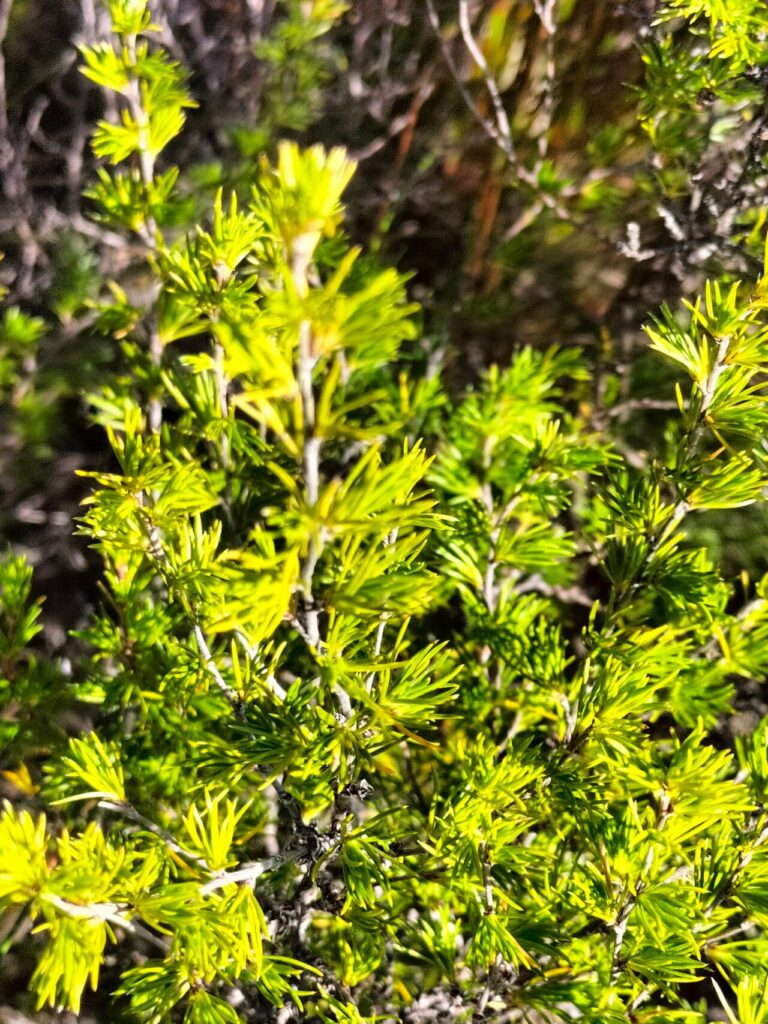
Cliffortia atrata, with its intriguing, almost fern-like foliage and delicate, wiry stems, brings a touch of wild elegance to any garden. This South African native, commonly known as “Rice pincushion” or “Blackroot pincushion,” is a captivating addition to rockeries, fynbos gardens, or even as a unique potted specimen. While admiring its delicate beauty is easy, propagating Cliffortia atrata can feel like a delightful challenge. But fear not, fellow plant enthusiasts! This guide will equip you with the knowledge to successfully grow this enchanting plant from cuttings and seed.
Cuttings: A Step Towards Cloning Success
Propagating Cliffortia atrata from cuttings offers a higher success rate and allows you to replicate the characteristics of the parent plant. Here’s how:
-
Timing is key: The ideal time for taking cuttings is during the active growing season, from late spring to early autumn. This is when the plant has the most energy for new growth.
-
Select healthy shoots: Choose young, non-flowering stems that are approximately 3-4 inches long. These stems should be firm and healthy, showing no signs of disease or damage.
-
Prepare the cuttings: Using a sharp, sterilized knife or pruning shears, make a clean cut just below a leaf node. Remove the lower leaves, leaving only a few at the top.
-
Hormone boost (optional): While not essential, dipping the cut end in rooting hormone can encourage faster root development.
-
Planting medium: A well-draining propagation mix is crucial. A blend of equal parts peat moss and perlite or sand works well.
-
Planting and care: Insert the cuttings gently into the prepared medium, ensuring at least one leaf node is buried. Water thoroughly and place in a warm, bright location, but out of direct sunlight.
-
Humidity is key: Maintaining humidity around the cuttings is essential for successful rooting. A propagator with a lid or a simple plastic bag placed over the pot can create a humid microclimate.
- Patience is your friend: Rooting can take anywhere from 4 to 8 weeks. Once you see new growth, you’ll know the cuttings have successfully rooted.
Seed Starting: Embracing a Touch of Unpredictability
Propagating Cliffortia atrata from seed can be a bit more challenging, but it allows for greater genetic diversity. Here’s the breakdown:
-
Seed collection: If you’re lucky enough to have a flowering Cliffortia atrata, collect the tiny, dark seeds from the spent flower heads once they dry.
-
Sowing the seeds: Use a well-draining seed starting mix and sow the seeds shallowly, pressing them gently into the surface.
-
Light and warmth: Cliffortia atrata seeds require light for germination. Place the seed tray in a bright location, maintaining a temperature around 65-70°F (18-21°C).
-
Moisture is vital: Keep the soil consistently moist but not waterlogged. A spray bottle can help with even watering.
-
Germination patience: Be prepared to exercise patience as Cliffortia atrata seeds can be slow to germinate, sometimes taking several weeks to several months.
- Thinning and transplanting: Once the seedlings have developed a couple of true leaves, thin them out, leaving the strongest ones. Once they are a bit larger, transplant them into individual pots to continue growing.
A Rewarding Endeavor
While propagating Cliffortia atrata requires a touch of patience and dedication, the reward of seeing new life sprout from a cutting or seed is truly gratifying. With the right knowledge and a sprinkle of green-thumb magic, you can successfully grow more of this alluring South African gem and share its enchanting presence with fellow plant enthusiasts.