
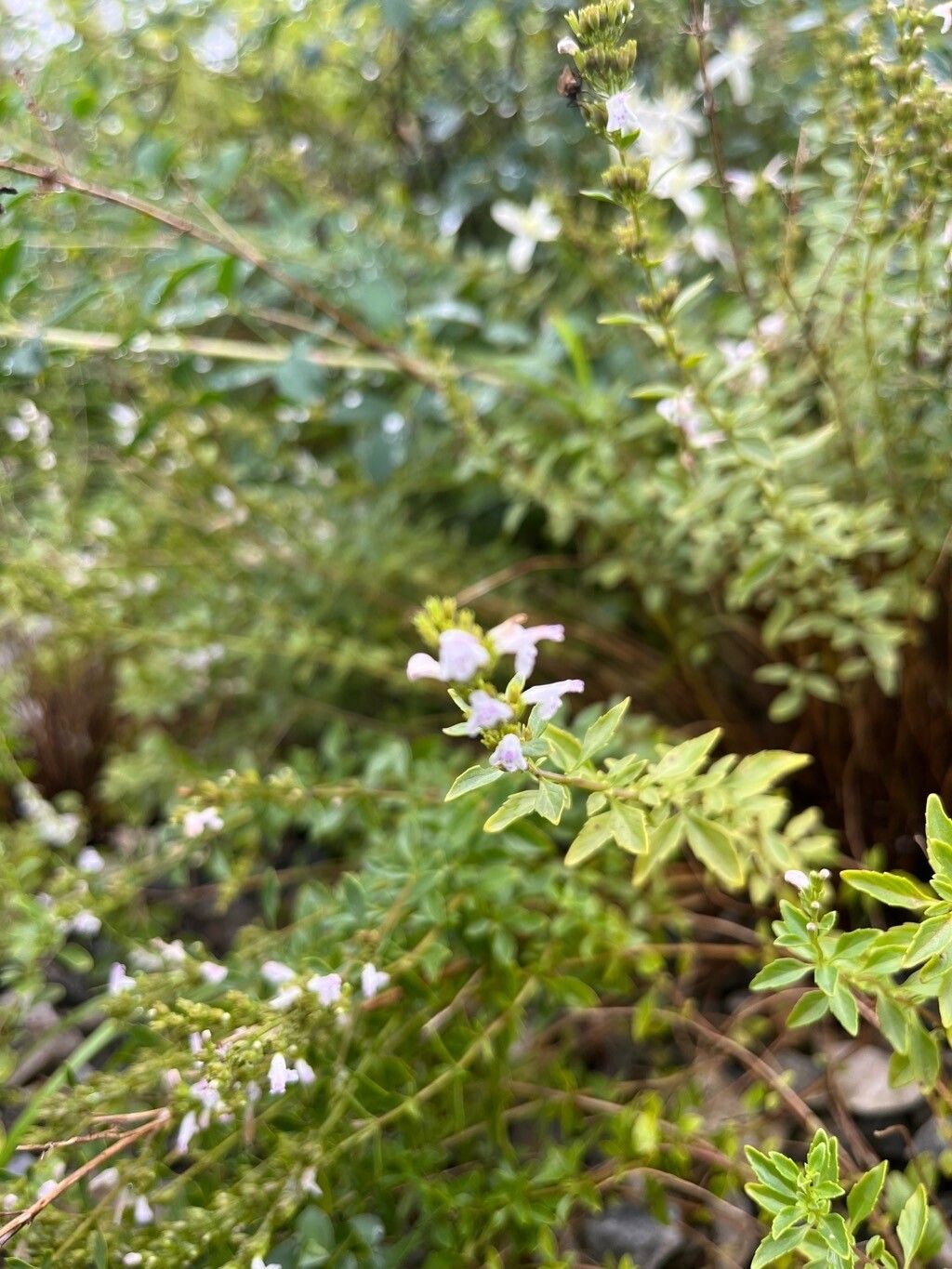
Propagating Clinopodium dalmaticum: A Gardener’s Guide to Dalmatian Balm
Introduction:
Clinopodium dalmaticum, commonly known as Dalmatian balm, is a charming aromatic herb prized for its vibrant purple flowers and minty fragrance. This hardy perennial, native to the Balkan Peninsula, is gaining popularity among gardeners for its drought tolerance, low maintenance needs, and attractive appearance in borders, rock gardens, and containers. Its relatively compact growth habit and long flowering period make it a versatile addition to any garden. While relatively easy to maintain, propagating Clinopodium dalmaticum can present some unique challenges. This article explores various propagation methods, offering insights into their success rates and practical tips to help gardeners successfully increase their stock of this delightful plant.
Seed Germination:
Currently, there are no known reliable methods for seed germination propagation of Clinopodium dalmaticum. While seeds may be produced, germination rates are generally very low, and successful seedling establishment is rarely reported. Further research into specific germination requirements may be needed to unlock this propagation method.
Cuttings:
Cuttings offer a more reliable method for propagating Clinopodium dalmaticum.
Challenges: Rooting success can vary depending on the timing and technique. Lower success rates may be observed with cuttings taken during periods of drought stress or extreme heat.
Practical Tips: Take semi-hardwood cuttings (partially mature stems) in late summer or early autumn. Use a sharp knife or shears to create cuttings about 4-6 inches long, removing lower leaves. Dip the cut ends in rooting hormone before planting them in a well-draining potting mix (e.g., a mix of perlite and peat moss). Maintain consistent moisture levels but avoid overwatering, which can lead to rot. High humidity can improve success rates; covering the cuttings with a clear plastic bag or cloche to create a humid environment is beneficial. Rooting usually takes several weeks.
Rewards: Cuttings offer a relatively quick and simple way to produce genetically identical plants to the parent plant, maintaining desired traits.
Division:
Division is a very successful method for propagating established Clinopodium dalmaticum plants.
Challenges: This method is only feasible once the plant has become well-established, offering sufficient root mass to divide successfully. Improper division may damage the plant, reducing its vigor.
Practical Tips: The best time to divide is in spring or early autumn. Carefully dig up the entire plant, gently separating the root ball into several smaller divisions, each with healthy roots and shoots. Replant the divisions immediately, ensuring they are spaced appropriately. Water thoroughly after replanting.
Rewards: Division is a straightforward and efficient method to multiply your plants without requiring specialized equipment or techniques. It also promotes vigorous growth in the divided plants.
Tissue Culture:
Tissue culture is a viable, albeit highly specialized, approach to propagating Clinopodium dalmaticum, particularly for large-scale propagation or when preserving specific genetic lines.
Challenges: This method requires specialized equipment, a sterile environment, and expertise in tissue culture techniques. It’s generally not practical for the home gardener.
Practical Tips: Sterile conditions are crucial to prevent contamination. Appropriate medium and growth hormones must be used. This method typically involves placing small plant tissue segments (explants) on a nutrient-rich agar-based medium in a sterile environment to promote proliferation.
Rewards: Large quantities of identical plants can be produced rapidly. It is ideal for conservation efforts or commercial propagation.
Conclusion:
Propagating Clinopodium dalmaticum presents distinct challenges based on the chosen method. While seed propagation remains unreliable, the success rates of cuttings and division are significantly higher, making them the preferred methods for home gardeners. Tissue culture is a viable option for larger-scale propagation or specific applications. The unique satisfaction of nurturing a small cutting into a flourishing plant or successfully dividing a mature clump is truly rewarding, offering a tangible connection to the nurturing and propagation aspects of gardening. While some methods may appear daunting, the persistent gardener will be amply rewarded with a delightful profusion of Dalmatian Balm, its sweet fragrance filling the air. Don’t be afraid to experiment, learn from any setbacks, and enjoy the journey of cultivating this beautiful and fragrant plant.