
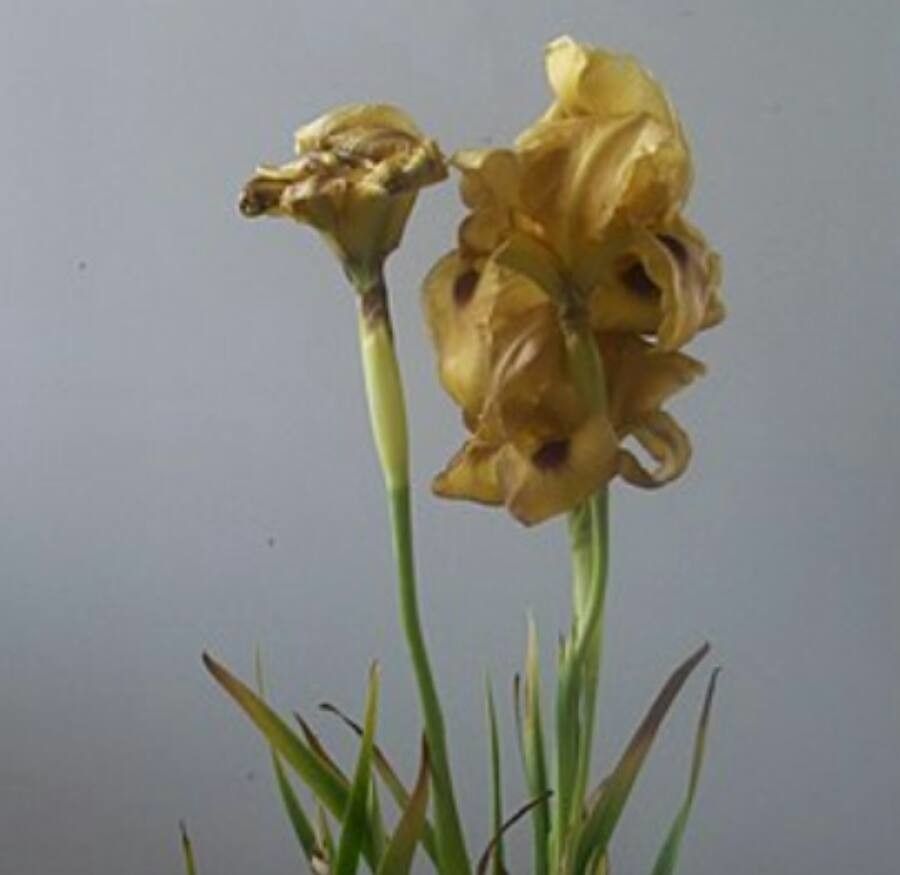
Propagating Iris auranitica: A Gardener’s Guide to the Golden Iris
Introduction:
Iris auranitica, commonly known as the Golden Iris or the Mount Carmel Iris, is a captivating species renowned for its vibrant, golden-yellow flowers and its resilience in challenging environments. Native to the rocky slopes of the Middle East, this species holds significant horticultural value, prized for its unique beauty and adaptability. Its popularity among gardeners stems from its stunning blooms and relative ease of cultivation once established, although propagation presents some unique challenges. The fact that it’s a wild species means that propagation techniques may not be as straightforward as with hybridized Irises.
Seed Germination:
Currently, there are no known reliable methods for seed germination propagation of Iris auranitica. While seeds may be produced, their germination rates are extremely low, and successful seedling establishment is exceptionally difficult even under carefully controlled conditions. Further research is needed to determine optimal conditions for germination, if any exist.
Cuttings:
Currently, there are no known reliable methods for propagating Iris auranitica from cuttings. This species does not readily root from stem or leaf cuttings.
Division:
Division is the most reliable method for propagating Iris auranitica. This involves separating established clumps of the plant into smaller sections, each containing healthy rhizomes and roots.
- Challenges: The optimal time for division is after flowering, typically in late summer or early autumn. Divisions must be carefully handled to avoid damaging the delicate rhizomes. Poorly divided plants may fail to thrive or take a long time to re-establish.
- Practical Tips: The rhizomes should be carefully separated, ensuring each division contains healthy growth points and a substantial root system. To minimize stress, planting should be done quickly after division, in well-drained soil with adequate spacing. Treat newly divided plants with a fungicide to prevent rot.
- Rewards: Division offers a straightforward way to increase the number of plants, preserving the genetic characteristics of the parent plant. It’s the most successful propagation method for this species.
Tissue Culture:
Tissue culture offers a potential, albeit technically complex, method for propagating Iris auranitica.
- Challenges: Establishing sterile conditions and employing specialized techniques, including the selection of appropriate growth media and hormones, are critical for success. This method requires considerable expertise, specialized equipment, and a controlled environment.
- Practical Tips: A successful tissue culture protocol would require careful experimentation to determine suitable plant explant material, media composition, and growth regulators. Careful sterilization to prevent contamination is paramount.
- Rewards: Tissue culture offers the potential for large-scale propagation, producing numerous identical plants from a single explant. It can also provide a means to conserve genetically valuable specimens.
Conclusion:
Propagating Iris auranitica presents unique challenges, rendering seed and cutting propagation currently impractical. Division, while successful, requires careful handling, while tissue culture is a sophisticated method requiring specialized skills and equipment. The rewards, however, are well worth the effort. The successful cultivation of this beautiful species, whether through division or tissue culture, provides an immense sense of accomplishment. The unique golden blooms of Iris auranitica are a testament to the dedication and skill required. For aspiring propagators, starting with division is strongly recommended. With patience, attention to detail, and a well-drained planting spot, you can enjoy the breathtaking beauty of this Middle Eastern jewel in your own garden.