
Propagating Clinopodium obovatum: A Gardener’s Guide to the Spreading Thyme
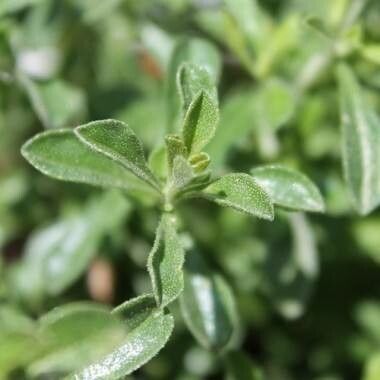
Clinopodium obovatum, commonly known as spreading thyme or prostrate savory, is a charming, low-growing groundcover prized for its intensely fragrant, small, ovate leaves and delicate, purplish-pink flowers. Its mounding habit, drought tolerance, and attractive blooms make it a popular choice among gardeners for rock gardens, borders, and even as a culinary herb. However, its propagation can present some unique challenges, making successful cultivation all the more rewarding.
Seed Germination:
Currently, there are no known reliable methods for seed germination propagation of Clinopodium obovatum. While the plant produces seeds, their germination rate is notoriously low, and successful propagation from seed is rarely reported. Further research into specific germination requirements, including potential stratification techniques or specialized media, might yield results, but currently, this method is not considered a viable option for widespread propagation.
Cuttings:
Cuttings offer a more reliable method for propagating Clinopodium obovatum.
Challenges: Success with cuttings depends on several factors, primarily timing and proper technique. Taking cuttings from actively growing stems in spring or early summer yields the best results.
Tips: Use semi-hardwood cuttings, approximately 4-6 inches long, removing lower leaves to prevent rotting. Dip the cut ends in rooting hormone to improve success rates. Plant the cuttings in a well-draining propagation mix, keeping the medium consistently moist but not soggy. Using a humidity dome or covering with a plastic bag will increase humidity levels, crucial for successful rooting.
Rewards: Cuttings offer a relatively quick way to produce genetically identical plants, ensuring that desirable traits are maintained. This method is ideal for smaller-scale propagation when preserving specific plant characteristics is important.
Division:
Division is a highly successful method for propagating Clinopodium obovatum.
Challenges: This method is best suited for established plants. It requires carefully separating the plant into smaller sections, each with adequate roots and foliage. Damaging the root system can significantly impact the success rate.
Tips: The best time to divide Clinopodium obovatum is in spring or early fall. Gently dig up the mature plant and use a sharp, clean knife or spade to carefully separate the root ball into smaller clumps. Replant the divisions immediately, ensuring adequate spacing to allow for growth.
Rewards: Division provides a relatively easy and effective way to increase the number of plants quickly, especially for larger, established plants. It also helps rejuvenate mature plants by promoting new growth.
Tissue Culture:
Tissue culture propagation of Clinopodium obovatum is theoretically possible, but it’s not a widely practiced method for home gardeners.
Challenges: This technique requires specialized equipment, a sterile environment, and a detailed understanding of plant tissue culture protocols. It’s a complex and expensive process requiring significant expertise.
Tips: Sterile techniques are crucial to avoid contamination. Proper media composition and hormone regulation are essential for callus formation and shoot development.
Rewards: Tissue culture offers the potential for large-scale propagation and the elimination of diseases. It’s the only propagation method that can guarantee disease-free plants for commercial production. However, the high cost and complexity restrict its use for most home gardeners.
Conclusion:
While seed propagation proves unreliable for Clinopodium obovatum, cuttings and division offer viable and effective alternatives for home gardeners. Tissue culture remains a specialized technique more suitable for commercial operations. The challenges associated with propagating this plant, especially with cuttings, emphasize the importance of patience and attention to detail. However, the satisfaction of nurturing a small cutting into a thriving, fragrant groundcover, or successfully dividing a mature plant, is a testament to the gardener’s skill and a reward in itself. Don’t be discouraged by early setbacks; experimentation and persistence are key to successfully propagating this charming and rewarding plant.