
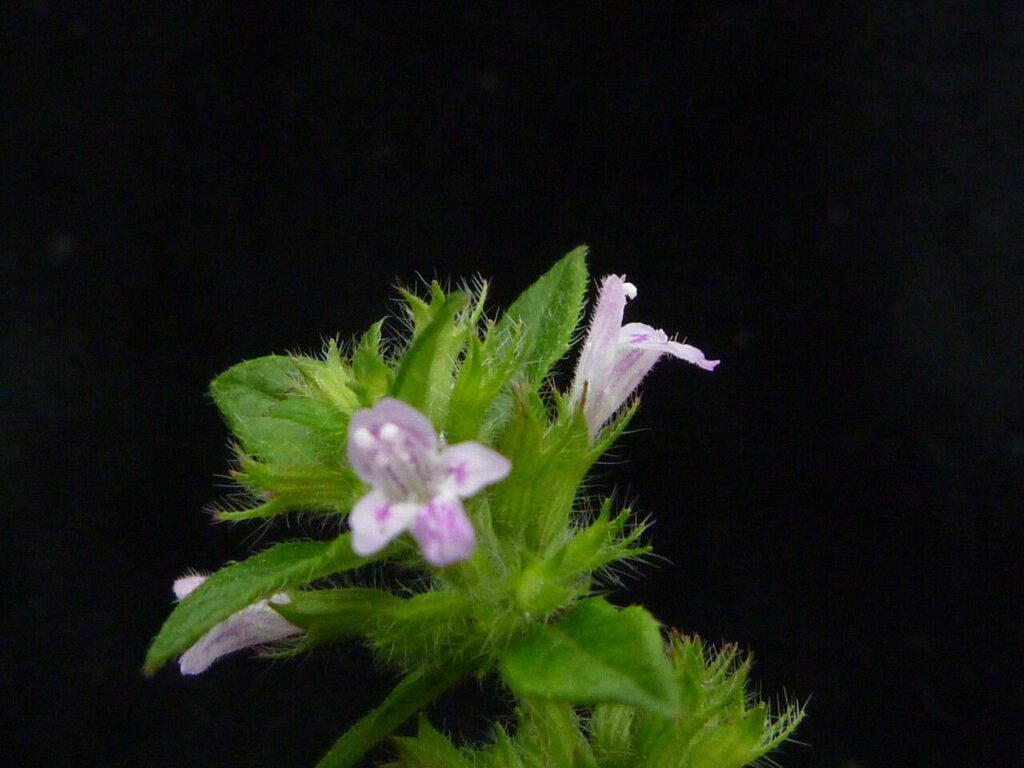
From One to Many: Unlocking the Secrets of Clinopodium umbrosum Propagation
If you’re a plant enthusiast, the thrill of watching a tiny cutting transform into a flourishing plant is unparalleled. For those seeking to add the fragrant, leafy beauty of Clinopodium umbrosum, also known as “basil mint,” to their garden, propagation provides a fantastic (and cost-effective!) way to expand your collection.
But how do you get started? Let’s dive into the world of Clinopodium umbrosum propagation:
Delving Deeper: Methods and Techniques
Clinopodium umbrosum can be propagated through a variety of methods, each offering its own advantages:
-
Seed Propagation: While possible, this method is less common with Clinopodium umbrosum as it can be time-consuming and require specific conditions for successful germination. Seeds require warm temperatures and moist soil to sprout.
-
Stem Cuttings: This is the most popular and reliable approach for propagating Clinopodium umbrosum. Here’s how to do it:
- Choose Healthy Stems: Select non-flowering stems from a healthy, mature plant. Aim for stems that are roughly 4-6 inches long and have at least two sets of leaves.
- Cut Just Below a Node: Using sharp, clean scissors or a knife, make a cut just below a leaf node (the point where a leaf grows from the stem).
- Remove Lower Leaves: Remove the leaves that are below the soil line. These leaves will decay and potentially cause rot.
- Root Hormone (Optional): Dipping the cut end of the stem in rooting hormone can increase success rates.
- Prepare the Planting Medium: Use a well-draining potting mix or a mixture of peat moss and perlite.
- Planting: Place the cut end of the stem into the soil, burying it about 1 inch deep.
- Water and Maintain: Water the cuttings and keep them in a warm, humid environment. Covering the cutting with a plastic bag or dome can help retain moisture.
- Patiently Wait: Root development can take anywhere from 2-4 weeks.
- Division: If you have an established Clinopodium umbrosum plant, you can also divide it to create new plants. This method is best done in the spring when the plant is actively growing. Simply dig up the plant and carefully separate the roots and stems into smaller clumps.
Tips for Successful Propagation:
- Timing is Key: The optimal time for propagating Clinopodium umbrosum is in the spring or early summer when the plant is actively growing.
- Use Clean Tools: Sterilize your tools (scissors, knife) with rubbing alcohol to prevent the spread of diseases.
- Provide Proper Lighting: Cuttings need bright, indirect light to encourage growth.
- Maintain Humidity: The cuttings need a humid environment to root.
- Monitor and Water Regularly: Water the cuttings regularly, but avoid over-watering.
- Patience and Observation: Root development can take some time, so be patient and observe the cuttings closely.
Enjoy the Rewards of Propagation:
Whether you choose to start from seed, stem cuttings, or division, propagating Clinopodium umbrosum offers a fulfilling gardening experience. Get ready to enjoy the sweet, minty aroma and beautiful foliage of this enchanting plant as it graces your garden with its presence. Remember, with the right techniques and a little patience, you can transform a single Clinopodium umbrosum plant into a flourishing collection!