
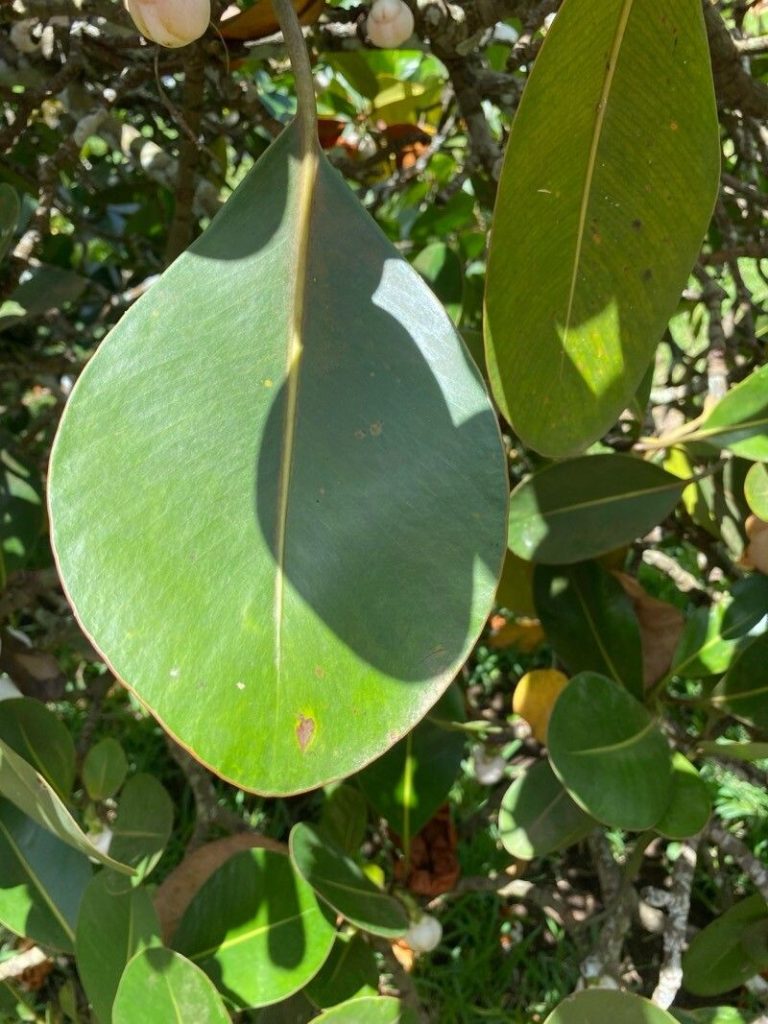
Propagating Clusia grandiflora: A Gardener’s Guide to the Autograph Tree
Introduction:
Clusia grandiflora, commonly known as the Autograph Tree or Pitch Apple, is a captivating evergreen tree native to the Caribbean and parts of Central and South America. Its leathery, glossy leaves, beautiful white or cream-colored flowers, and striking, resinous sap make it a popular choice among gardeners in tropical and subtropical climates. Its ability to tolerate some drought conditions and its relatively fast growth rate further enhance its appeal. However, propagating Clusia grandiflora can present unique challenges, requiring patience and specific techniques. Its popularity, coupled with the difficulties in propagation, makes successful cultivation particularly rewarding.
Seed Germination:
Currently, there are no known reliable methods for seed germination propagation of Clusia grandiflora. While seeds may be produced, their germination rate is notoriously low, and successful germination under controlled conditions remains largely undocumented. Further research into specific germination requirements, such as optimal temperature and humidity, is needed to determine the viability of this propagation method.
Cuttings:
Cuttings represent a more viable method for propagating Clusia grandiflora.
Challenges: The main challenge lies in rooting the cuttings effectively. The resinous sap can inhibit root development, and cuttings are prone to fungal infections if not handled carefully.
Practical Tips: Take semi-hardwood cuttings (about 6-8 inches long) from new growth in spring or summer. Remove the lower leaves and dip the cut end in a rooting hormone powder to enhance root formation. Plant the cuttings in a well-draining propagation mix, such as perlite and peat moss, maintaining high humidity (e.g., using a humidity dome or plastic bag). Ensure adequate warmth and indirect sunlight. Regularly mist the cuttings to prevent desiccation.
Rewards: Successful propagation via cuttings offers a relatively quick way to increase the number of plants, preserving desirable characteristics of the parent plant.
Division:
Division is generally not a practical method for propagating Clusia grandiflora. This tree has a strong taproot system, making it difficult to successfully divide the plant without significant damage to the root ball.
Tissue Culture:
Tissue culture offers a potential, albeit more technically demanding, method for propagating Clusia grandiflora.
Challenges: Establishing a sterile tissue culture environment and selecting appropriate growth media and hormonal treatments requires specialized knowledge and equipment. Contamination is a significant risk.
Practical Tips: This method requires a controlled environment with sterile instruments, media, and containers. Small sections of actively growing tissue are cultured in a nutrient-rich medium to induce callus formation and subsequent shoot development. Once sufficient growth is achieved, plantlets can be acclimatized and transferred to individual pots.
Rewards: Tissue culture allows for large-scale propagation and the reproduction of genetically identical plants, preserving desirable traits. This is particularly valuable for rare or superior cultivars.
Conclusion:
Propagating Clusia grandiflora presents distinct challenges across various methods. While seed propagation currently seems unreliable, cuttings offer a reasonably achievable pathway, demanding careful attention to detail and hygiene. Tissue culture provides a more advanced option for large-scale propagation but requires significant investment and expertise. The rewards, however, are substantial: the satisfaction of successfully propagating this beautiful and distinctive tree outweighs the difficulties. By understanding the specific challenges of each method and employing the right techniques, aspiring propagators can increase their chances of success and experience the unique fulfillment of nurturing these magnificent plants from cuttings or through more advanced tissue culture. Remember patience and persistence are key to success with the autograph tree.