
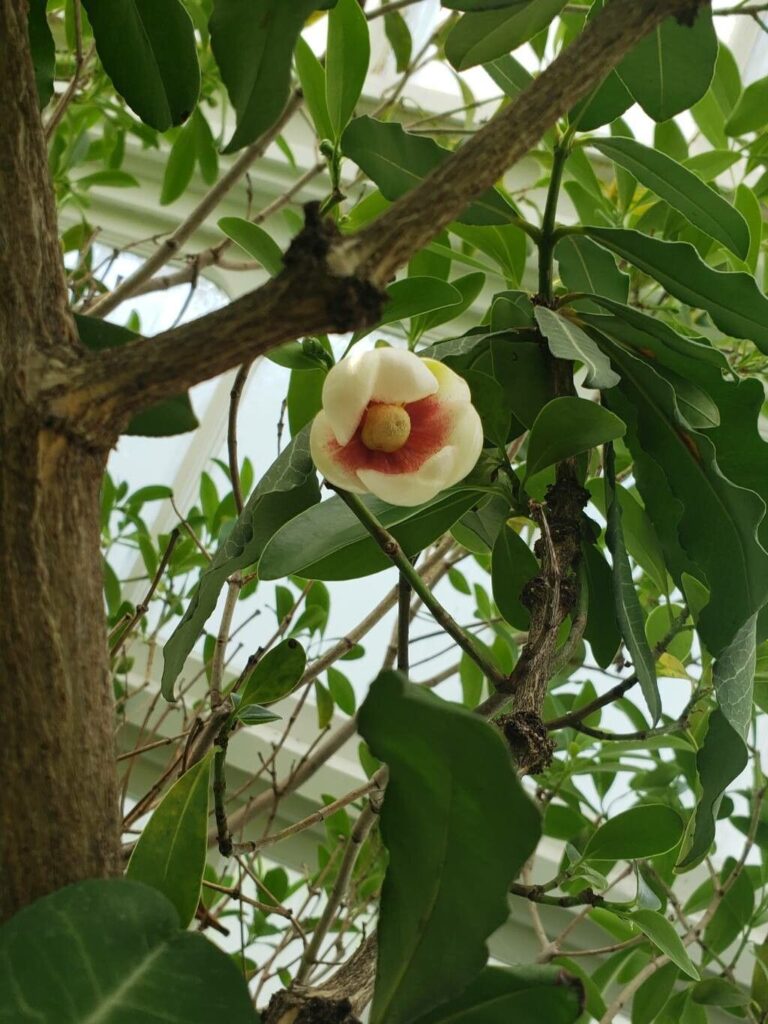
Unlock the Secrets of Clusia Lanceolata Propagation: Grow Your Own Lush, Tropical Paradise
Clusia lanceolata, also known as the Pitch Apple, is a captivating tropical plant boasting unique beauty and incredible resilience. With its glossy, dark green leaves and fascinating fruit that resembles small apples, it’s no wonder this plant is gaining popularity amongst indoor and outdoor gardeners alike.
If you’re charmed by the Clusia lanceolata and want to expand your collection or share its beauty, propagation is the way to go! This guide will equip you with the knowledge and techniques to propagate your own Clusia lanceolata successfully.
Two Paths to Propagation: Cuttings vs. Seeds
Clusia lanceolata offers two primary methods for propagation:
- Stem Cuttings: This is the most common and reliable method, offering quicker results and ensuring the preservation of the parent plant’s characteristics.
- Seeds: While possible, propagation from seeds is less common due to the limited availability of viable seeds and a generally longer germination process.
Mastering Stem Cuttings: A Step-by-Step Guide
What You’ll Need:
- Sharp, sterilized pruning shears or knife
- Rooting hormone (optional, but recommended)
- Well-draining potting mix
- Small pots or seed trays
- Water
- Patience!
Step 1: Selecting the Right Cutting:
Choose a healthy stem from your Clusia lanceolata that’s around 4-6 inches long. Ideally, select a stem that’s just beginning to harden off, as these tend to root more effectively.
Step 2: Making the Cut:
Using your sterilized shears or knife, make a clean cut just below a leaf node. This node is where the roots will develop. Remove any leaves from the bottom two inches of the cutting.
Step 3: Rooting Hormone (Optional):
While optional, dipping the cut end of the stem in rooting hormone can significantly increase the chances of successful rooting.
Step 4: Planting the Cutting:
Fill your pot or tray with the well-draining potting mix. Using your finger or a pencil, create a small hole in the center and gently place the cutting inside. Ensure the bottom node is submerged in the soil.
Step 5: Creating a Humid Environment:
Clusia lanceolata cuttings thrive in humidity. To create a suitable environment, you can cover the pot with a clear plastic bag or use a humidity dome. This will help retain moisture and encourage root development.
Step 6: Patience is Key:
Place your cutting in a warm, bright location, out of direct sunlight. Keep the soil consistently moist but not waterlogged.
It may take several weeks or even a couple of months for roots to develop. Once the cutting shows signs of new growth, you’ll know it has successfully rooted and can be gradually acclimated to a larger pot or your garden.
Propagation by Seeds: Embracing the Challenge
While less common, propagating Clusia lanceolata from seeds can be a rewarding experience for those seeking a challenge. Here’s what you need to know:
- Seed Collection: You can try harvesting seeds from the fruit of a mature Clusia lanceolata plant, but ensure they’re fully ripe and viable.
- Sowing the Seeds: Sow the seeds in a well-draining seed-starting mix, keeping them consistently moist and warm.
- Be Patient: Germination can be slow and sporadic, potentially taking several weeks or even months.
Propagating Your Own Tropical Haven
By following these guidelines, you can confidently propagate your own Clusia lanceolata and bring a touch of the tropics to your home or garden. Whether you choose the popular stem cutting method or embark on the rewarding journey of seed propagation, the joy of nurturing new life will be its own reward.