
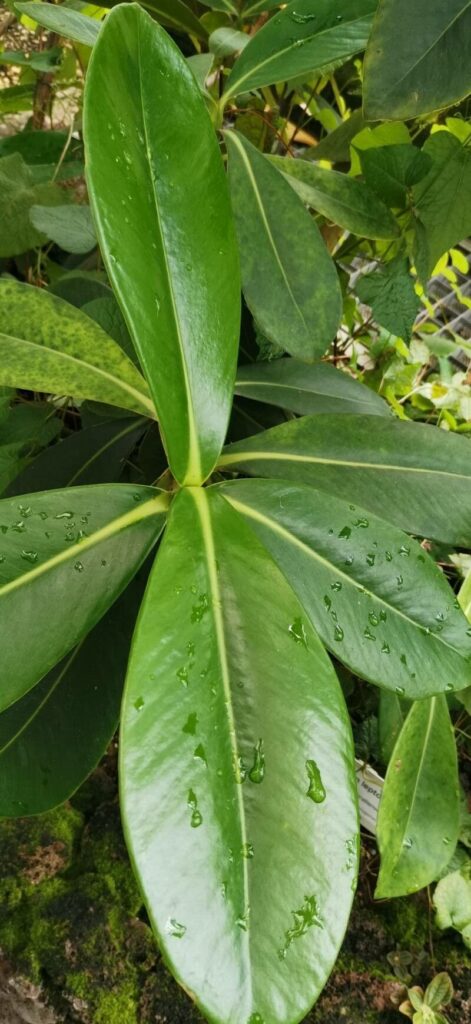
Clusia Pallida: Bringing New Life to Your Home with Easy Propagation
The Clusia pallida, also known as the Autograph Tree, is a popular houseplant for its striking foliage and resilience. But did you know its easy propagation makes it an ideal plant for beginners? If you’re looking to expand your green collection or simply want to share the beauty of your existing Clusia, mastering propagation is a rewarding journey.
Understanding the Methods
Clusia pallida readily reproduces through two primary methods:
- Stem cuttings: This involves taking a section of healthy, mature stem and encouraging it to develop roots. It’s a straightforward and reliable method, even for beginners.
- Leaf cuttings: Less commonly used, leaf cuttings can also produce new plants. This method requires a bit more patience as it might take longer for roots to develop.
Stem Cutting Propagation: Step-by-Step
- Choose the Right Stem: Select a healthy, non-flowering stem with several nodes (the points on a stem where leaves grow). A stem about 4-6 inches long works best.
- Prepare the Cutting: Using a sharp knife or pruning shears, make a clean cut just below a node. Ensure the cut is angled to improve root development.
- Remove Lower Leaves: Remove the leaves from the bottom two inches of the stem to prevent rotting.
- Dip in Rooting Hormone (optional): This is not essential but can help accelerate root formation. Dip the cut end in rooting hormone powder or gel.
- Planting: Fill a small pot with a propagation mix or airy, well-draining potting soil. Make a hole and gently insert the stem cutting. Ensure that at least one node is below the soil line.
- Water Thoroughly: Water the pot thoroughly, allowing excess water to drain.
- Provide Ideal Conditions: Place the pot in a warm, humid location with indirect light. Keep the soil consistently moist but not soggy. You can cover the cutting with a plastic bag or dome to maintain humidity.
- Patience is Key: It can take a few weeks to several months for roots to develop. Check periodically for signs of new growth.
Leaf Cutting Propagation
- Choose a Healthy Leaf: Select a mature, healthy leaf with a short petiole (the stalk attaching the leaf to the stem).
- Cut the Leaf: Cut the petiole at a slight angle.
- Prep the Planting Medium: Use a mix of perlite and peat moss or a soilless propagation mix.
- Insert the Leaf: Gently press the cut end of the leaf into the medium.
- Maintain Humidity: Cover the pot with a plastic dome or bag to create a humid environment.
- Patience is Crucial: Leaf cuttings take longer than stem cuttings to produce roots. It can take months to see signs of new growth.
Tips for Success:
- Use sharp, clean tools: Avoid crushing plant tissues by using sterilized tools.
- Choose the right propagation mix: Use a mix that promotes drainage and retains moisture.
- Provide adequate light: Place the cuttings in a bright but indirect location.
- Monitor moisture levels: Keep the mix consistently moist while avoiding overwatering.
- Be patient: Success comes with time. Don’t be discouraged if you don’t see immediate results.
Sharing the Clusia Love
Once your cuttings have rooted and are thriving, you’re ready to share the Clusia pallida magic! You can plant them in individual pots, gift them to friends, or create a beautiful, lush display by combining multiple offspring plants. Propagation is not just a way to increase your plant collection but also a rewarding and fulfilling experience that connects you to the natural world.
Remember, while propagation can be a simple process, every plant is unique. Experiment with different techniques and embrace the journey as you bring new life to your home and share the joy of gardening with others!