
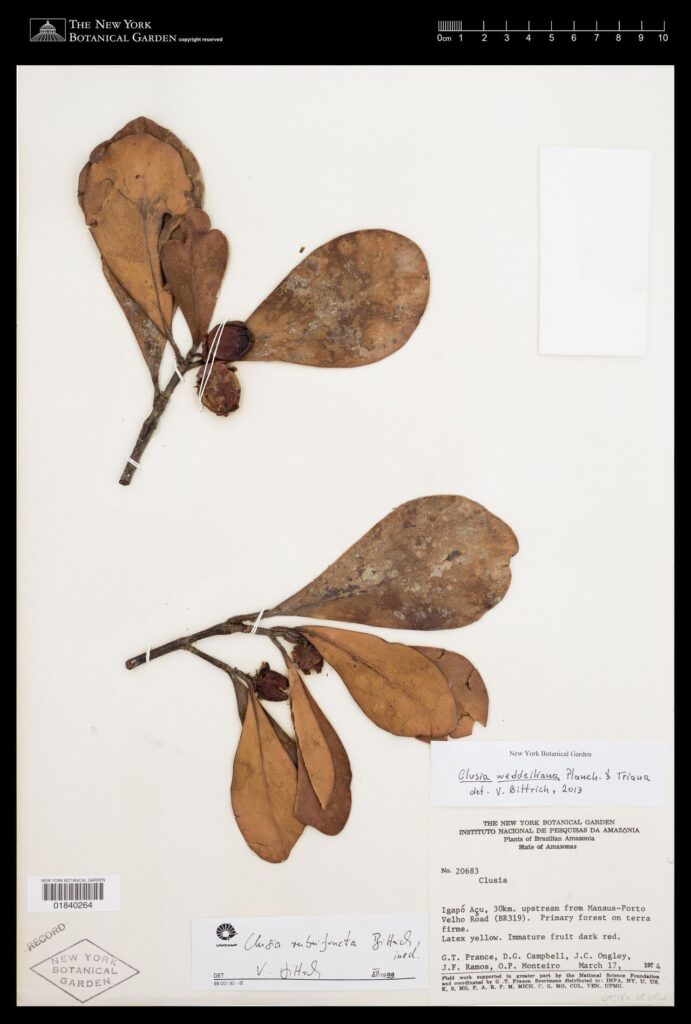
Unlocking the Secrets of Clusia Rubrifructa: A Propagation Playbook
Clusia rubrifructa, also known as the “Autograph Tree” thanks to the intriguing ability to have messages etched on its leaves, is a fantastically unique addition to any plant lover’s collection. Its vibrant green foliage, fascinating growth habits, and ability to thrive both indoors and out make it a sought-after plant. But did you know that propagating your own Clusia rubrifructa is a surprisingly achievable feat?
Whether you’re looking to expand your plant family or share the joy of this intriguing species with friends, this propagation playbook will guide you through the process.
Two Roads to Success: Stem Cuttings vs. Seeds
Clusia rubrifructa offers two main avenues for propagation:
- Stem Cuttings: This method, favored for its speed and reliability, involves rooting a portion of a healthy stem.
- Seeds: While less common and requiring more patience, growing from seed offers a unique sense of accomplishment.
The Art of Stem Cuttings:
- Timing is Key: The optimal time for taking cuttings is during the plant’s active growing season, typically spring or early summer.
- Select Your Weapon (of Choice): Use a sharp, sterilized knife or pruning shears to ensure clean cuts. Look for healthy stems with at least two or three nodes (small bumps on the stem where leaves emerge).
- Make the Cut: Cut a section of stem about 4-6 inches long, just below a node. Remove the leaves from the bottom third of the cutting.
- Hormone Boost (Optional): While not strictly necessary, dipping the cut end in rooting hormone powder can encourage faster root development.
- Planting Time: Plant the cutting in a well-draining potting mix, burying the bottom node.
- Create a Humid Haven: Cover the pot with a clear plastic bag or use a propagation dome to maintain high humidity.
- Light and Patience: Place in bright, indirect light and keep the soil consistently moist, but not soggy. Roots should develop in 4-8 weeks.
The Seed Route: Patience is a Virtue
- Source Your Seeds: Sourcing seeds can be tricky as Clusia rubrifructa doesn’t flower frequently indoors. You might find success online or through specialty nurseries.
- Prepare for Germination: Sow seeds in a well-draining seed starting mix, lightly pressing them into the surface.
- Mimic Nature’s Warm Embrace: Provide bottom heat using a seedling heat mat to maintain a temperature of around 75-80°F (24-27°C).
- Light and Moisture are Your Allies: Place in bright, indirect light and keep the soil consistently moist. Germination can take anywhere from a few weeks to a couple of months.
Nurturing Your New Recruits:
Once your cuttings have rooted or your seeds have sprouted, it’s time to treat them like the budding beauties they are.
- Gradual Acclimation: Slowly acclimate your new plants to lower humidity levels before removing them from their protective covers.
- Potting On: Once they’ve outgrown their current pots, repot them into slightly larger containers with well-draining soil.
Troubleshooting Tips:
- Yellowing Leaves: Often signifies overwatering. Allow the soil to dry slightly between waterings.
- Leaf Drop: Can be caused by sudden temperature changes, low humidity, or pests.
With its unique charm and relatively easy propagation, Clusia rubrifructa is a rewarding plant to multiply. So, why not embark on this rewarding endeavor and expand your plant family today?