
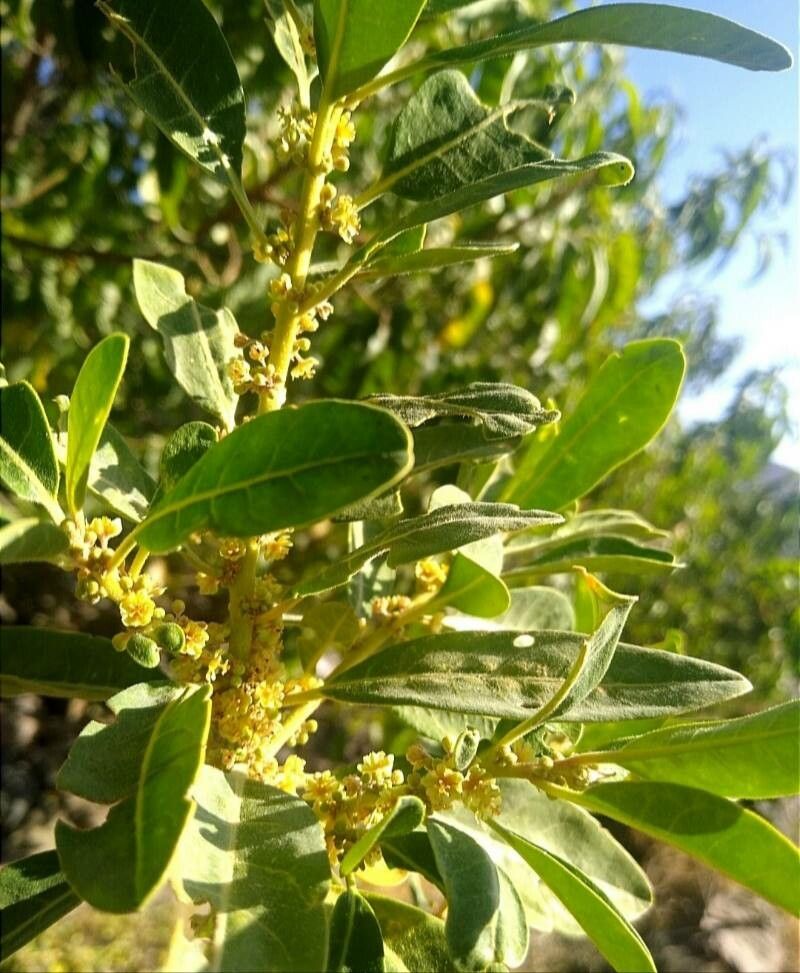
Clutia Lanceolata: A Beginner’s Guide to Propagation
The Clutia lanceolata, also known as the “Cape Almond” or “Wild Almond,” is a beautiful evergreen shrub native to South Africa. It boasts vibrant green foliage and delicate, fragrant flowers that bloom in spring. But did you know you can easily share this beauty with others (or even yourself!) by propagating Clutia lanceolata? Whether you’re a seasoned gardener or just starting out, this guide will equip you with the knowledge to successfully grow new plants from cuttings.
Why Propagate Clutia Lanceolata?
There are several compelling reasons to try propagation:
- Cost-Effective: It’s a budget-friendly way to expand your garden or gift friends and family unique plants.
- Genetic Consistency: You can be sure your new plants will retain the exact characteristics of the parent plant.
- Easy to Do: Propagation techniques for Clutia lanceolata are relatively simple and require minimal specialist equipment.
Methods of Propagation
Two common methods are used to propagate Clutia lanceolata:
1. Stem Cuttings
- Timing: The ideal time is during spring or early summer when the plant is actively growing.
- Technique:
- Take a semi-hardwood cutting (a stem that has just finished growing) about 4-6 inches long.
- Remove any leaves from the bottom 1-2 inches of the cutting.
- Dip the cut end in rooting hormone to aid root development.
- Plant the cutting in a pot filled with a well-draining potting mix, ensuring at least 2 inches of the cutting is buried.
- Place the pot in a bright, indirect location and maintain consistently moist soil.
- Within a few weeks to a month, you should see new growth, indicating root formation.
- Pro Tip: Use a clear plastic dome or bag to create humidity around the cutting, boosting its chance of success.
2. Air Layering:
- Timing: Air layering can be done throughout the growing season.
- Technique:
- Select a healthy branch on the parent plant.
- Make a small circular incision on the bark, about 1-2 inches long.
- Gently peel back the bark, exposing the cambium layer.
- Pack the exposed area with moist rooting hormone or sphagnum moss.
- Wrap the area tightly with a piece of plastic wrap to retain moisture and secure it with string or tape.
- Within a few months, you should see roots growing through the moss.
- Once the roots are well-established, you can cut the layered branch below the rooting area and plant it in a pot or directly in the garden.
Tips for Success:
- Choose Healthy Cuttings: Avoid stems with disease or damage.
- Sharp Tools: Use clean and sharp scissors or a knife for precise cuts.
- Proper Potting Mix: Well-draining mixes are best. Avoid overly compact soil that can impede root growth.
- Consistent Moisture: Maintain adequate moisture without letting the soil become waterlogged.
- Patience: Propagation takes time, so be patient and observant.
Enjoying Your New Clutia Lanceolata
Once your cuttings or air layers have established themselves, they can be transplanted to a larger pot or to the garden where they can continue to thrive. With proper care, your new Clutia lanceolata will reward you with its graceful beauty and fragrant blooms year after year. Sharing this plant with others or expanding your own garden is a rewarding experience, and thanks to propagation, it’s also a wonderfully accessible one!