
Unlocking the Secrets of Clypeola jonthlaspi: Propagation Guide for a Rare Beauty
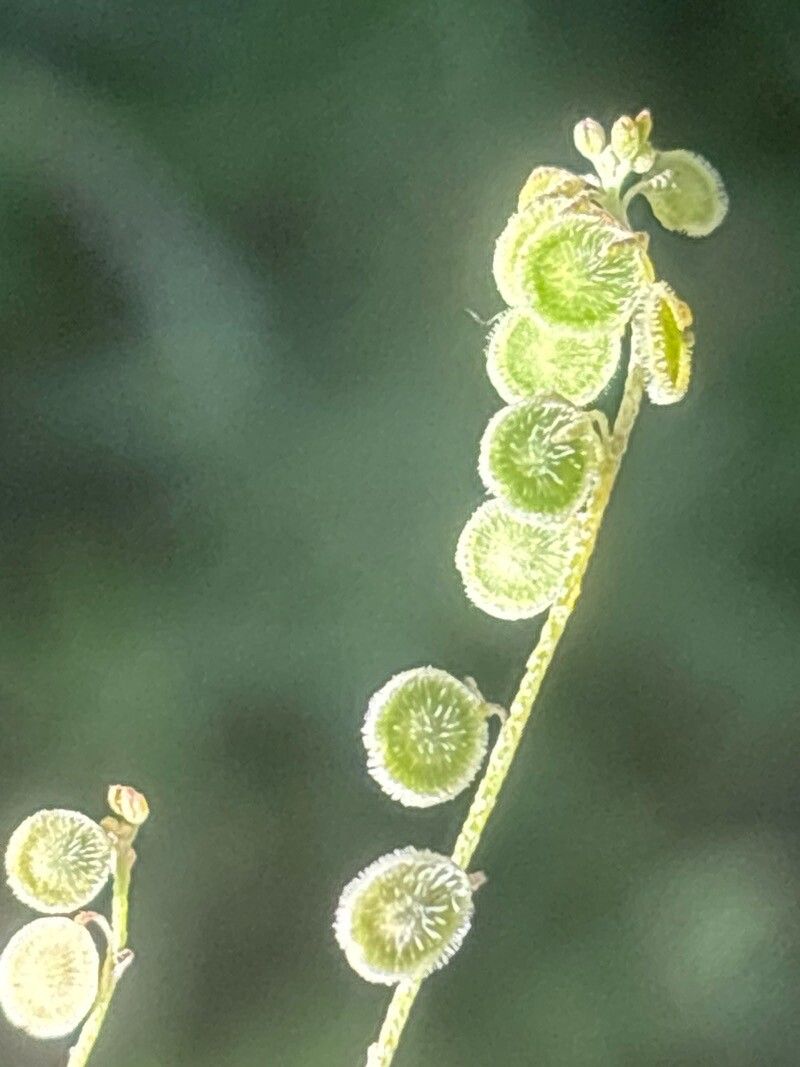
Clypeola jonthlaspi, also known as the Annual Shieldcress, may not be a household name in the world of gardening, but this unassuming plant holds a unique allure for enthusiasts seeking rare and fascinating specimens. Native to southeastern Europe and southwestern Asia, this annual plant graces the landscape with delicate white flowers and unique round, flat seed pods that resemble tiny shields – hence its common name.
If you’re intrigued by the prospect of cultivating Clypeola jonthlaspi in your own garden, you’re in for a rewarding challenge. This comprehensive guide delves into the art of propagating this uncommon plant, providing you with the knowledge and techniques to successfully grow your own stand of these little beauties.
Seeds: The Gateway to Success
The primary method of propagating Clypeola jonthlaspi is through seeds. While finding commercially available seeds might be difficult, you can often obtain them through online seed exchanges or by collecting them directly from established plants.
When to Sow:
Clypeola jonthlaspi thrives in cool weather conditions. In areas with mild winters, it’s best to sow the seeds directly outdoors in the fall. For colder climates, starting the seeds indoors 6-8 weeks before the last expected frost is recommended. This allows for a head start before transplanting them outdoors after the danger of frost has passed.
Sowing the Seeds:
Outdoor Sowing: Choose a well-drained location with full sun to partial shade. Scatter the seeds over the soil surface and gently press them in. Avoid burying them deeply, as they require light for germination.
- Indoor Sowing: Use a seed starting mix and sow the seeds in individual pots or seed trays. Lightly cover the seeds with a thin layer of soil. Keep the soil consistently moist but not waterlogged.
Germination and Growth:
Clypeola jonthlaspi seeds typically germinate within 1-3 weeks depending on temperature and moisture levels. Once the seedlings emerge and have developed a few true leaves, they can be thinned out to provide adequate spacing for growth.
Transplanting Seedlings:
When transplanting seedlings outdoors, choose a cloudy day or late afternoon to minimize transplant shock. Gently handle the seedlings to avoid damaging the delicate roots. Space them approximately 6-8 inches apart to allow for adequate air circulation and prevent overcrowding.
Care and Maintenance:
Clypeola jonthlaspi prefers well-drained soil and benefits from regular watering, especially during dry periods. Avoid overwatering, which can lead to root rot. While this resilient plant is relatively low-maintenance, adding a layer of organic mulch around the base can help retain moisture and suppress weed growth.
Enjoying the Beauty:
As the plants mature, they will produce small white flowers followed by the distinctive round seed pods that give the plant its unique charm. The pods gradually turn brown as they ripen, providing an intriguing visual contrast against the green foliage.
Seed Collection and Sharing:
Collecting seeds from your Clypeola jonthlaspi plants allows you to perpetuate their beauty and share them with fellow plant enthusiasts. Once the seed pods have dried, carefully collect them and store them in a cool, dry place until ready to sow.
Propagating Clypeola jonthlaspi is a labor of love that rewards patience and dedication. By following these guidelines, you can successfully cultivate this rare and fascinating plant, adding a touch of botanical intrigue to your garden.