
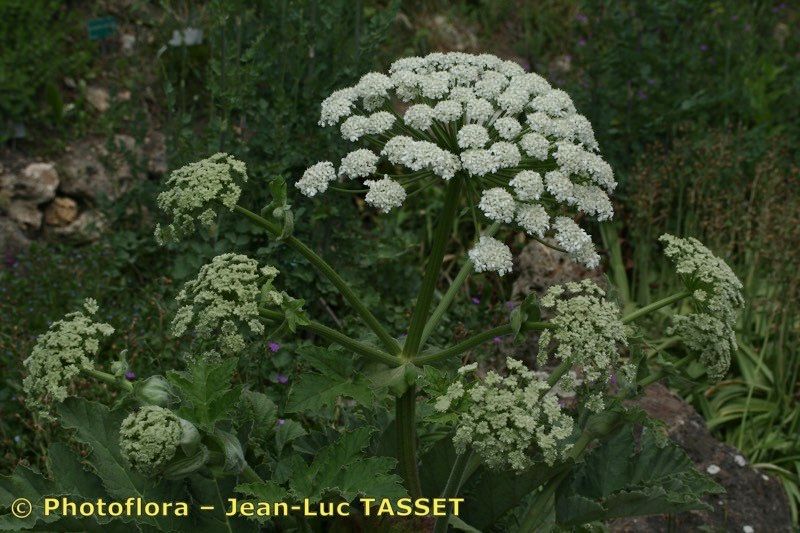
Taming the Giant: Propagating Heracleum antasiaticum (Persian Hogweed)
Heracleum antasiaticum, better known as Persian hogweed or giant cow parsnip, is a sight to behold. Towering heights, enormous leaves, and impressive white flower umbels make it a dramatic addition to any landscape. But before you rush to cultivate this giant, it’s crucial to understand its nature and the proper techniques for propagation.
A Gentle Giant? Not Quite.
First and foremost, it’s crucial to differentiate Heracleum antasiaticum from its infamous relative, Heracleum mantegazzianum (Giant Hogweed). While both share impressive stature and similar white flower umbels, Giant Hogweed poses a serious health risk due to its phototoxic sap. Persian hogweed, while not as dangerous, still requires careful handling due to its sap, which can cause skin irritation in some individuals.
Propagation: Patience is Key
Propagating Heracleum antasiaticum takes time and patience, but the rewards are well worth the effort:
Seed Propagation: This is the most common and reliable propagation method.
- Seed Collection: Collect seeds in late summer or early fall when the flower heads begin to dry.
- Stratification: Persian hogweed seeds require a period of cold stratification to germinate. Store seeds in a refrigerator (around 4°C) for 6-8 weeks.
- Sowing: In early spring, sow seeds in pots or seed trays filled with a well-draining seed compost. Sow seeds shallowly, pressing them gently into the compost.
- Germination: Keep the soil consistently moist but not waterlogged. Germination can be slow and erratic, often taking several weeks or even months.
- Transplanting: Once seedlings are large enough to handle, transplant them into individual pots or directly into the ground after the last frost.
- Division: While possible, dividing mature plants is not recommended due to the large taproot and the risk of disturbing the plant’s established growth.
Cultivation: Location, Location, Location
Persian hogweed thrives in full sun to partial shade and prefers moist, well-drained soil. Due to its imposing size, it’s essential to select a location with ample space. Consider placing it at the back of a border or as a striking focal point in a large garden.
Maintenance: Minimal Fuss
Once established, Heracleum antasiaticum is relatively low-maintenance. Water regularly, especially during dry spells, and provide support stakes if necessary to prevent the towering flower stalks from collapsing.
A Word of Caution:
Remember to handle Heracleum antasiaticum with care and wear gloves to avoid skin contact with the sap. Always supervise children and pets around the plant.
In Conclusion:
Propagating and growing Heracleum antasiaticum can be a rewarding endeavor for patient gardeners. With proper care and attention, this botanical giant will reward you with years of architectural splendor and unique beauty in your garden.