
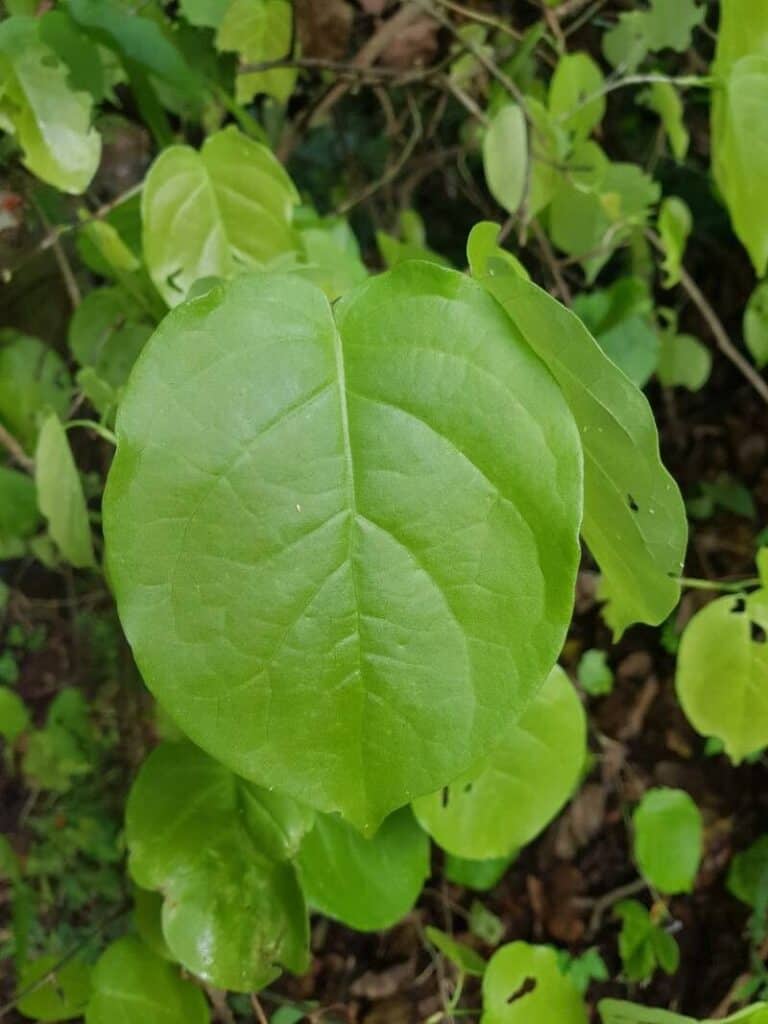
Taming the Tropical: A Guide to Propagating Coccoloba acapulcensis
The Coccoloba acapulcensis, with its captivating, round leaves and intriguing, almost otherworldly fruit, brings a touch of the tropics to any garden. But venturing beyond admiring this beauty and into the realm of propagating it might seem daunting. Fear not, fellow plant enthusiast! This guide will demystify the process and equip you with the knowledge to grow your very own Coccoloba acapulcensis.
Two Paths to Propagation
While seeds are an option, propagating Coccoloba acapulcensis through cuttings offers a faster and often more successful method, particularly for beginners.
1. The Art of the Cutting:
- Timing is Key: Spring and early summer, when the plant is actively growing, provide the ideal conditions for successful propagation.
- Selecting the Right Cuttings: Choose healthy, semi-mature stems that are neither too young and pliable nor too old and woody. Look for stems that are at least 6 inches long and have several nodes (the small bumps where leaves emerge).
- Making the Cut: Using a sharp, sterilized pruning shear or knife, make a clean cut just below a node. Remove the leaves from the bottom third of the cutting to prevent rotting.
- Hormone Boost (Optional but Recommended): Dipping the cut end in rooting hormone powder significantly improves the success rate.
- Planting and Patience: Plant the cuttings in a well-draining potting mix, burying at least two nodes below the surface. Water thoroughly and enclose the pot in a clear plastic bag or use a propagation dome to maintain high humidity.
- Location, Location, Location: Place the cuttings in a warm, bright location, but out of direct sunlight.
- Rooting Time: It typically takes 4-8 weeks for the cuttings to develop roots. You can test for root development by gently tugging on the cutting. If you feel resistance, congrats – roots are forming!
2. The Seed Route (For the Adventurous):
- Sourcing Seeds: Fresh seeds from ripe fruit offer the highest germination rates. You can harvest seeds yourself or purchase them from reputable suppliers.
- Seed Preparation: The fleshy outer layer of the Coccoloba acapulcensis fruit can inhibit germination. Soaking the seeds in water for 24 hours, then gently rubbing off the pulp, helps improve germination.
- Sowing the Seeds: Plant the seeds in a well-draining seed starting mix, barely covering them with soil.
- Environmental Control: Just like with cuttings, warmth, humidity, and bright, indirect light are crucial for successful germination.
- Patience, Young Padawan: Be patient! Seed germination can be slow and unpredictable, sometimes taking several months.
Nurturing Your New Plants:
- Transplanting: Once the cuttings have developed a healthy root system or seedlings have several sets of true leaves, transplant them into individual pots filled with well-draining potting mix.
- Watering Wisely: Water deeply but allow the soil to dry slightly between waterings. Overwatering can lead to root rot.
- Feeding for Growth: Fertilize regularly during the growing season with a balanced, water-soluble fertilizer.
A Rewarding Journey:
Propagating your own Coccoloba acapulcensis may require patience and care, but witnessing new life sprout from a cutting or seed is immensely rewarding. With the knowledge you’ve gained, you’re well on your way to expanding your tropical paradise, one stunning Coccoloba acapulcensis at a time!