
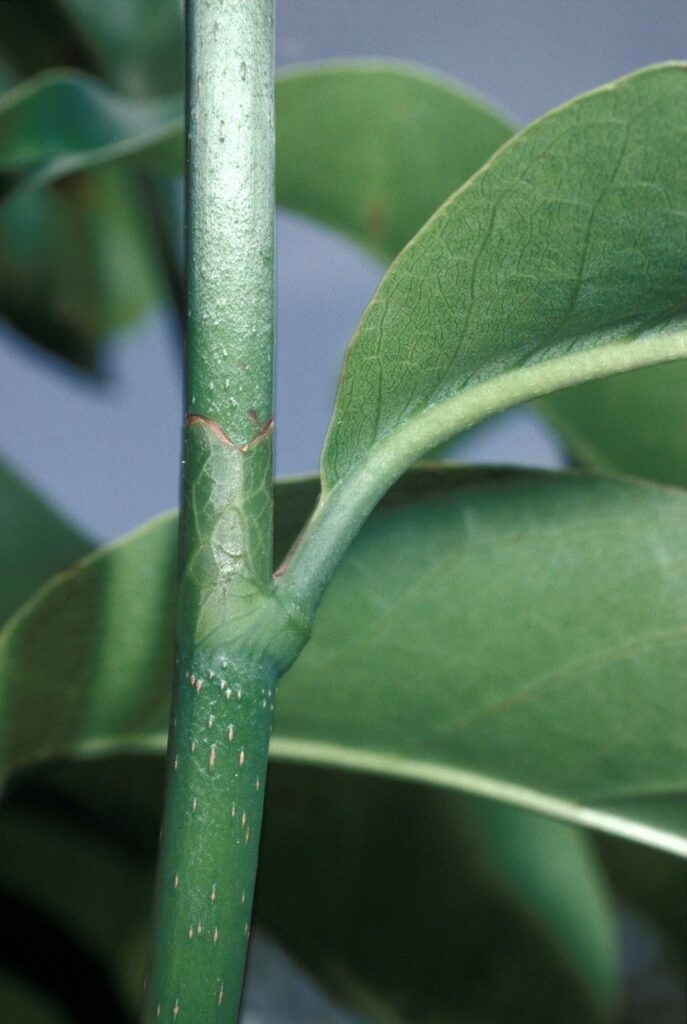
Unlocking the Secrets of Seagrape Propagation: A Guide to Growing Coccoloba Swartzii
The Seagrape, scientifically known as Coccoloba swartzii, is a captivating coastal plant admired for its broad, leathery leaves, unique grape-like fruit clusters, and robust salt tolerance. Whether you’ve encountered this beauty on a tropical vacation or simply admire its resilience, you might be wondering if it’s possible to cultivate this seaside gem yourself. The answer is a resounding yes, and this guide will delve into the world of Seagrape propagation, revealing the secrets to cultivating new plants and expanding their reach beyond the coastline.
Two Paths to Propagation: Seeds vs. Cuttings
Seagrape propagation can be achieved through two primary methods: seeds and cuttings. Each technique offers distinct advantages and caters to different preferences. Let’s explore both in detail:
1. The Miracle of Seeds: A Patience-Driven Approach
Propagating Seagrapes from seeds is an immensely rewarding process that allows you to witness the entire life cycle of a plant. While this method requires patience, the satisfaction of nurturing a Seagrape from a tiny seed to a thriving plant is unparalleled. Here’s how:
- Seed Collection and Preparation: Gather ripe Seagrape fruits, identifiable by their deep purple hue and slightly soft texture. Extract the seeds by gently crushing the fruits and rinsing away the pulp. Allow the seeds to dry thoroughly before sowing.
- Sowing the Seeds: Sow the seeds in a well-draining seed-starting mix, burying them approximately half an inch deep. Keep the soil consistently moist but not waterlogged.
- Providing Optimal Conditions: Place the seed tray in a warm, bright location, out of direct sunlight. Germination may take several weeks to a few months, so don’t be discouraged if results aren’t immediate.
- Transplanting the Seedlings: Once the seedlings have developed a few sets of true leaves, they are ready to be transplanted into individual pots. Choose a well-draining potting mix and continue to provide ample light and moisture.
2. Shortcut to Success: Propagation through Cuttings
If you’re seeking a faster approach to Seagrape propagation, then taking cuttings is the ideal method. This technique involves encouraging a cut portion of a mature Seagrape plant to develop roots and grow into an independent plant. Follow these steps:
- Selecting the Right Cuttings: Take cuttings from healthy, mature branches during the plant’s active growing season. Choose stems that are at least 6-8 inches long and have several nodes (small bumps on the stem where leaves emerge).
- Preparing the Cuttings: Remove the leaves from the lower third of the cutting, leaving only a few leaves at the top. This helps direct the cutting’s energy towards root development.
- Encouraging Root Growth: Dip the cut end of the stem in a rooting hormone (optional but beneficial) and plant it in a pot filled with moist, well-draining potting mix.
- Creating a Humid Environment: Cover the pot with a plastic bag or humidity dome to create a greenhouse-like environment that promotes rooting. Place the cutting in a warm location with indirect sunlight.
- Transplanting Rooted Cuttings: After a few weeks to a couple of months, gently tug on the cutting to check for resistance, signaling root development. Once rooted, you can transplant the cutting into a larger pot or a suitable outdoor location.
Seagrape Success: Essential Tips for Thriving Plants
Whether you choose to propagate Seagrapes from seeds or cuttings, the following tips will help ensure the success of your endeavors:
- Sunlight is Key: Seagrapes thrive in full sun to partial shade. Ensure your plants receive at least 6 hours of sunlight daily.
- Well-Drained Soil is a Must: Choose a loose and well-drained potting mix or soil to prevent root rot.
- Water Deeply but Infrequently: Allow the soil to dry out slightly between waterings to mimic the Seagrape’s natural coastal environment.
- Fertilize Regularly: Feed your Seagrape plants with a balanced fertilizer during the growing season to support healthy growth and development.
- Pruning for Shape and Health: Prune your Seagrape regularly to remove any dead, damaged, or diseased branches. Pruning also helps maintain the plant’s shape and encourages bushier growth.
Propagating Coccoloba swartzii is a rewarding journey that connects you to the captivating world of this resilient coastal plant. Whether you choose to nurture seeds into life or encourage roots to sprout from cuttings, remember that patience, combined with the right techniques, will empower you to cultivate these botanical wonders and expand their presence beyond the shores.