
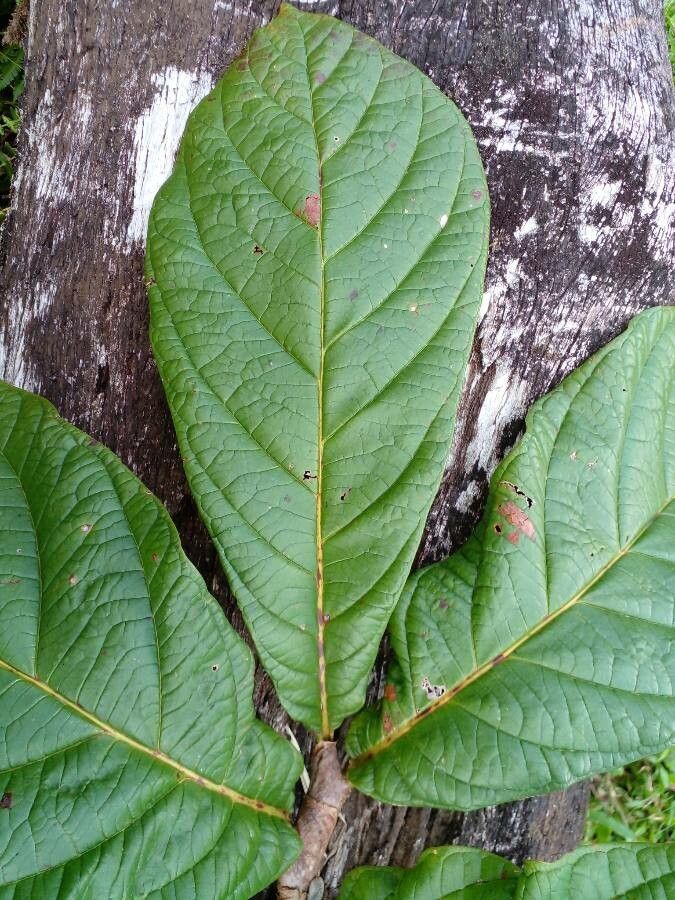
Unlocking the Secrets of Seagrape’s Cousin: Propagating Coccoloba tuerckheimii
If you’re a plant enthusiast looking for a unique addition to your tropical garden, look no further than Coccoloba tuerckheimii. Closely related to the popular seagrape (Coccoloba uvifera), this lesser-known species boasts similarly attractive, large foliage and an elegant, sprawling habit. But unlike its widely available cousin, propagating Coccoloba tuerckheimii can feel like entering uncharted territory. Fear not, fellow plant lovers, for this article will illuminate the path to successfully multiplying this botanical gem.
The Two Roads to Success: Seeds and Cuttings
Nature offers us two primary methods for propagating Coccoloba tuerckheimii: seeds and cuttings. Both come with their own set of advantages and challenges, allowing you to choose the approach that best suits your resources and patience.
1. The Patience of a Gardener: Propagating from Seeds
For those who find joy in nurturing a plant from its very genesis, starting from seed is an undeniably rewarding experience. However, patience is key here, as Coccoloba tuerckheimii seeds are notorious for their slow germination rates.
Here’s what you need to know:
- Sourcing Seeds: Obtaining seeds can be tricky, as this species isn’t common in nurseries. Look for reputable online seed suppliers specializing in rare or tropical plants.
- Preparing for Germination: Soak the seeds in lukewarm water for 24-48 hours to soften the outer shell and encourage germination.
- Planting the Seeds: Utilize a well-draining seed starting mix and sow the seeds about an inch deep. Ensure consistent moisture and warmth (around 75-85°F) for optimal germination.
- The Waiting Game: Be prepared for a waiting period that can stretch anywhere from a few weeks to several months. Don’t lose hope!
2. The Fast Track to Foliage: Propagating from Cuttings
For those eager to see faster results, propagating from cuttings offers a quicker route to a mature plant. However, success with cuttings demands some finesse and careful attention to detail.
Here’s a step-by-step guide:
- Choosing the Right Cutting: Select a healthy, semi-hardwood cutting from the current year’s growth. Ideally, the cutting should be 6-8 inches long and have at least 2-3 nodes.
- Prepping for Success: Remove the lower leaves from the cutting, leaving only a few at the top. This minimizes water loss and encourages root development.
- Hormone Boost: While not strictly necessary, dipping the cut end in rooting hormone powder can significantly improve the success rate.
- Planting the Cutting: Plant the prepared cutting in a well-draining medium, ensuring at least one node is buried.
- Creating a Humid Environment: Cover the pot with a clear plastic bag or use a propagation dome to maintain high humidity, which is crucial for root development.
- Patience, Once Again: Keep the cutting consistently moist and in a warm, bright location. Roots should develop within 4-8 weeks.
Nurturing Your New Creations
Whether you choose the slow and deliberate path of seeds or the faster route of cuttings, caring for your newly propagated Coccoloba tuerckheimii is essential. Provide them with bright, indirect light, well-draining soil, and consistent watering. Once established, these hardy plants will reward your efforts with their stunning foliage and unique charm.
Propagating Coccoloba tuerckheimii might require a bit of patience and green-thumb dedication, but the rewards are well worth the effort. So, embrace the challenge and enjoy the journey of welcoming this captivating plant into your personal green haven!