
Propagating the Fishhook Cactus (Cochemiea schumannii): A Gardener’s Guide
Introduction:
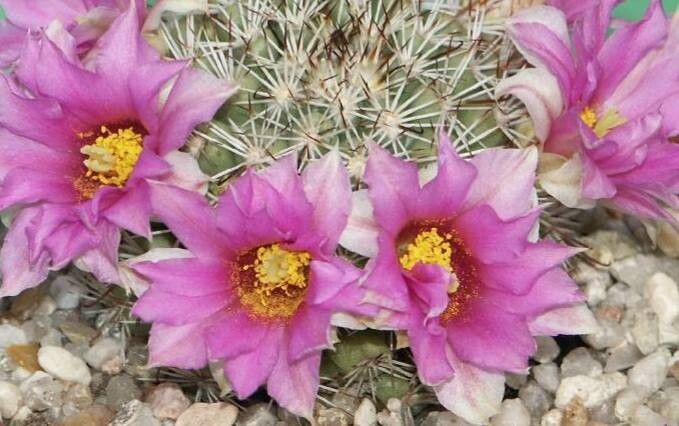
Cochemiea schumannii, commonly known as the Fishhook Cactus, is a captivating succulent prized for its striking appearance. Characterized by its slender, arching stems adorned with hooked spines, and vibrant, relatively large, bell-shaped flowers, it’s a sought-after addition to any succulent collection. Its relatively slow growth and unique aesthetic contribute to its popularity among gardeners, sparking interest in propagation methods. However, propagation can prove challenging, requiring specific techniques and patience.
Seed Germination:
Currently, there are no known reliable methods for seed germination propagation of Cochemiea schumannii. While seeds may be produced, germination rates are exceptionally low, and successful seedling establishment is rarely reported. Further research is needed to identify optimal germination conditions, potentially involving specific stratification techniques or hormonal treatments.
Cuttings:
Cuttings present a more viable, albeit still challenging, method for propagating Cochemiea schumannii.
Challenges: The main challenge lies in the susceptibility of cuttings to rot. The stems are relatively succulent and prone to fungal infections if not allowed to callous properly and planted in well-draining media.
Practical Tips: To increase success, allow cuttings of at least 5cm to callous over for a week to 10 days before planting. Use a sharp, sterile knife or blade to avoid crushing the stem. Plant cuttings in a well-draining cactus and succulent potting mix, ensuring the base is slightly buried but not deeply submerged. Keep cuttings in a bright, warm location with minimal watering until signs of new growth appear. Avoid overhead watering to prevent rot.
Rewards: While slower than other propagation methods, cuttings offer a relatively straightforward way to increase the number of plants, preserving the characteristics of the mother plant.
Division:
Division is not a practical method for propagating Cochemiea schumannii. The plant’s growth habit doesn’t readily lend itself to separation into viable divisions. Attempting division can easily damage the plant, leading to its decline.
Tissue Culture:
Tissue culture offers a potential, albeit sophisticated, method for propagating Cochemiea schumannii.
Challenges: Tissue culture requires specialized equipment, a sterile environment, and a considerable level of technical expertise. Establishing a sterile culture and selecting suitable media are crucial steps, each demanding knowledge and precision.
Practical Tips: Successful tissue culture propagation would involve carefully excising small segments of healthy stem tissue and culturing them on a nutrient-rich agar medium containing plant growth regulators. Maintaining strict sterility throughout the process is paramount.
Rewards: Tissue culture allows for mass propagation of genetically identical plants, making it particularly valuable for conservation efforts or large-scale commercial production.
Conclusion:
Propagating Cochemiea schumannii presents significant challenges, regardless of the method employed. Seed germination remains largely unreliable, division is impractical, and while cuttings offer a viable path, it requires careful technique and patience to minimize losses from rot. Tissue culture holds the greatest potential for large-scale propagation, but this requires specialized knowledge and resources.
Despite these hurdles, the unique satisfaction of successfully cultivating this beautiful plant far outweighs the difficulties involved. The rewards – whether it’s a single thriving cutting or a larger collection propagated from tissue culture – offer a deep sense of accomplishment. For aspiring propagators, patience, attention to detail, sterile practices (where appropriate), and well-draining media are key to success. Don’t be discouraged by initial setbacks; the journey itself is a testament to the perseverance and dedication involved in cultivating this fascinating succulent.