
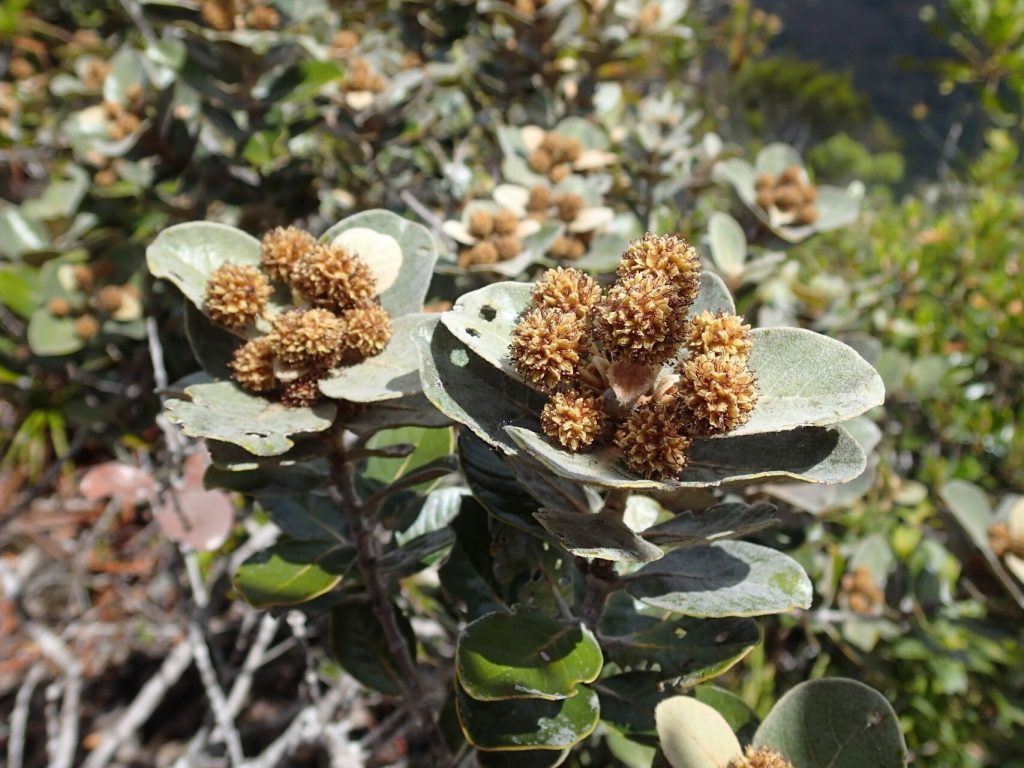
Propagating Codiaeum variegatum (Croton): A Colorful Challenge
Introduction:
Codiaeum variegatum, commonly known as croton, is a captivating tropical plant prized for its incredibly diverse foliage. The leaves boast a stunning array of colors, patterns, and shapes, ranging from fiery reds and oranges to deep greens and yellows, often in striking combinations within a single leaf. This striking visual appeal has cemented croton’s popularity among gardeners, albeit a certain level of horticultural skill is generally required for successful cultivation. Propagation, while challenging, offers the unique reward of expanding a collection of these vibrant specimens or sharing their beauty with others.
Seed Germination:
Seed germination is a viable method for propagating croton, but it presents several challenges. Croton seeds have a relatively short viability period, requiring fresh seeds for optimal germination rates. Successfully germinating croton seeds requires specific conditions:
-
Challenges: Low germination rates, sensitivity to fungal diseases, and the potential for the seedlings to inherit traits different from the parent plant, reducing predictability of color and patterns.
-
Practical Tips: Soaking seeds in warm water for 24 hours before sowing improves germination. Sowing should be done in a well-draining seed-starting mix kept consistently moist but not waterlogged, at temperatures around 25-30°C (77-86°F). High humidity levels further aid germination. Using a humidity dome or covering the seed tray with a clear plastic sheet is beneficial.
- Rewards: Genetic variation leads to the potential for obtaining unique color combinations not present in the parent plant. If successful, seed propagation allows for large-scale propagation when compared to other methods.
Cuttings:
Cuttings are a more common and generally more reliable method for propagating crotons.
-
Challenges: Croton cuttings are prone to rot if not handled carefully. Proper sanitation and rooting hormone are essential for success.
-
Practical Tips: Semi-hardwood cuttings, taken from new growth in spring or summer, are ideal. Dip the cut end in rooting hormone before planting in a well-draining, sterile propagating mix. Maintain high humidity by using a humidity dome or covering the cuttings with plastic. Bottom heat can significantly improve rooting success.
- Rewards: This method maintains the exact genetic characteristics of the parent plant – ensuring you obtain the same stunning foliage. It is relatively straightforward and less time-consuming than seed propagation.
Division:
Division is rarely used for croton propagation, as the plants often do not produce readily separable sections large enough to be successful. It is usually only suitable for larger, established plants.
-
Challenges: The risk of damage to the plant, low success rate due to the limited number of easily dividable points.
-
Practical Tips: Division should only be attempted on mature, vigorous plants. Ensure each division has a robust root system and several viable shoots. Plant immediately after division in a suitable well-draining potting mix.
- Rewards: This method allows for increasing the number of plants and avoids issues of potentially low seed germination, while preserving the parent plant’s characteristics. However, opportunities are significantly limited by the biology of the plants.
Tissue Culture:
Tissue culture offers a potentially high-yield method albeit requiring specialized facilities and expertise.
-
Challenges: This technique demands sterile conditions and specialized equipment and media. It is a more complex and expensive method requiring experience in aseptic techniques.
-
Practical Tips: Specialized labs using appropriate plant growth regulators and nutrient media are required.
- Rewards: Tissue culture enables mass production of genetically identical plants, ideal for commercial propagation and preserving rare or desirable cultivars.
Conclusion:
Propagating crotons presents various challenges, from the low germination rates of seeds to the susceptibility of cuttings to rot. While seed propagation offers genetic diversity, cuttings provide a more reliable method for maintaining the parent plant’s characteristics. Division is rarely a suitable option. Tissue culture offers the potential for large-scale propagation but demands specialized knowledge and resources. However, witnessing the vibrant new growth from your efforts, no matter the propagation route, offers a profound satisfaction. Don’t be discouraged by initial setbacks; persistence and attention to detail are key to success in cultivating these captivating plants. If you can master these techniques, you will be well-rewarded with the vibrant colours and striking patterns of these beautiful plants.