
Propagating the Sparkling Codonanthe: A Guide to Cultivating Codonanthe devosiana
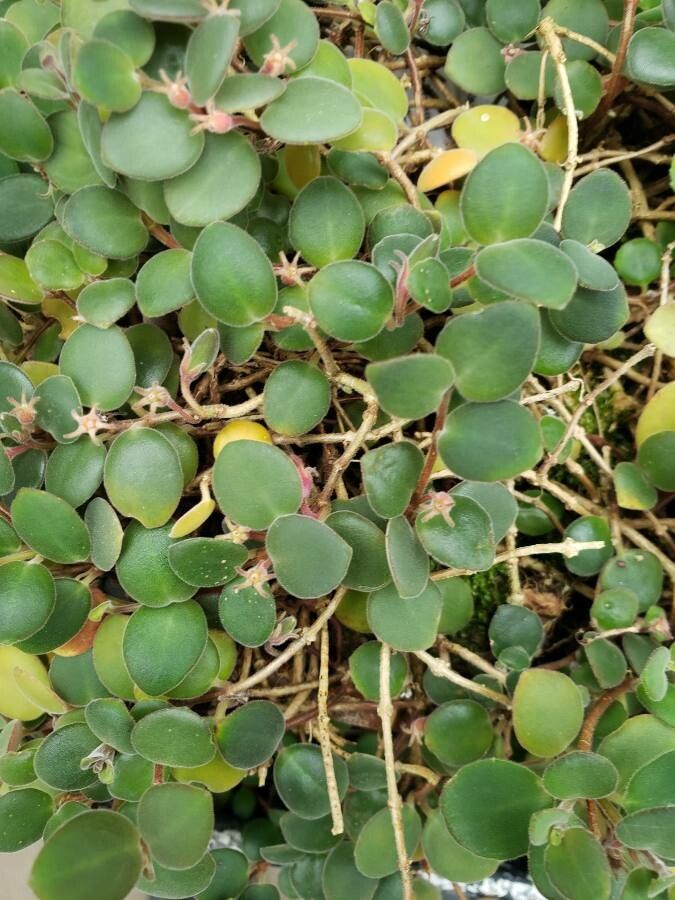
Codonanthe devosiana, also known as the sparkling codonanthe or the little bells, is a captivating epiphytic plant prized for its delicate, bell-shaped white flowers and glossy, heart-shaped leaves. Its trailing habit makes it an ideal choice for hanging baskets, terrariums, or as a ground cover in humid environments. While its beauty is undeniable, propagating this charming plant presents unique challenges and rewards for the dedicated gardener. Its relative unavailability in many nurseries often spurs enthusiasts to try their hand at propagation themselves.
Seed Germination:
Currently, there are no known reliable methods for seed germination propagation of Codonanthe devosiana. While the plant does produce seeds, germination rates are extremely low, if they exist at all, making this method impractical for most home growers. Further research may be needed to determine ideal germination conditions, but for now, seed propagation is not a viable option.
Cuttings:
Challenges: Cuttings are the most commonly employed method for propagating Codonanthe devosiana, yet they still present some challenges. The cuttings are relatively slow to root, and require high humidity and warmth to succeed.
Practical Tips: Take stem cuttings of approximately 4-6 inches long, ideally with at least two nodes. Remove the lower leaves to prevent rotting. Dip the cut ends in rooting hormone for increased success. Plant the cuttings in a well-draining, moist potting mix, such as a mixture of perlite, peat moss, and orchid bark. Cover the cuttings with a clear plastic bag or humidity dome to maintain high humidity. Ensure bright, indirect light and consistent warmth (around 70-75°F). Mist regularly to prevent the cuttings from drying out. Rooting can take several weeks to months.
Rewards: Cuttings offer a relatively straightforward method for obtaining new plants that are genetically identical to the parent plant, preserving desirable traits. This is a reliable method with practice.
Division:
Challenges: Codonanthe devosiana can be propagated by division, but the plant needs to be fairly mature and well-established before this method is viable. Dividing the plant too early can stress it and hinder its growth.
Practical Tips: Carefully remove the plant from its pot. Gently separate the plant into smaller sections, ensuring each division has sufficient roots and stems. Replant each division in a well-draining potting mix suitable for epiphytes, ensuring proper spacing. Water gently after repotting.
Rewards: Division is a quick way to increase the number of plants and is less technically demanding than cuttings or tissue culture.
Tissue Culture:
Challenges: Tissue culture is a more advanced propagation technique requiring specialized equipment, sterile conditions, and knowledge of plant tissue culture protocols. It is not a practical method for the average home grower.
Practical Tips: This method requires a controlled environment and expertise in tissue culture techniques, including sterilisation, medium preparation, and subculturing. Specific protocols for Codonanthe devosiana are not readily available and require research and experimentation.
Rewards: Tissue culture allows for the rapid multiplication of plants and the production of disease-free plants. It is ideal for large-scale propagation and the conservation of rare or endangered species.
Conclusion:
Propagating Codonanthe devosiana, while challenging, is achievable with patience and persistence. Cuttings offer the most accessible method for the home grower, while division is also a viable option for mature plants. Seed germination and tissue culture remain less practical avenues for the average enthusiast. The unique satisfaction derived from successfully nurturing a cutting into a flourishing mature plant, overcoming the relatively slow rooting time, is a testament to the gardener’s dedication. The rewards – a cascade of sparkling white bell-shaped flowers – are well worth the effort. Don’t be discouraged by initial setbacks; persistence and attention to detail will lead to success in cultivating this delightful and charming plant.