
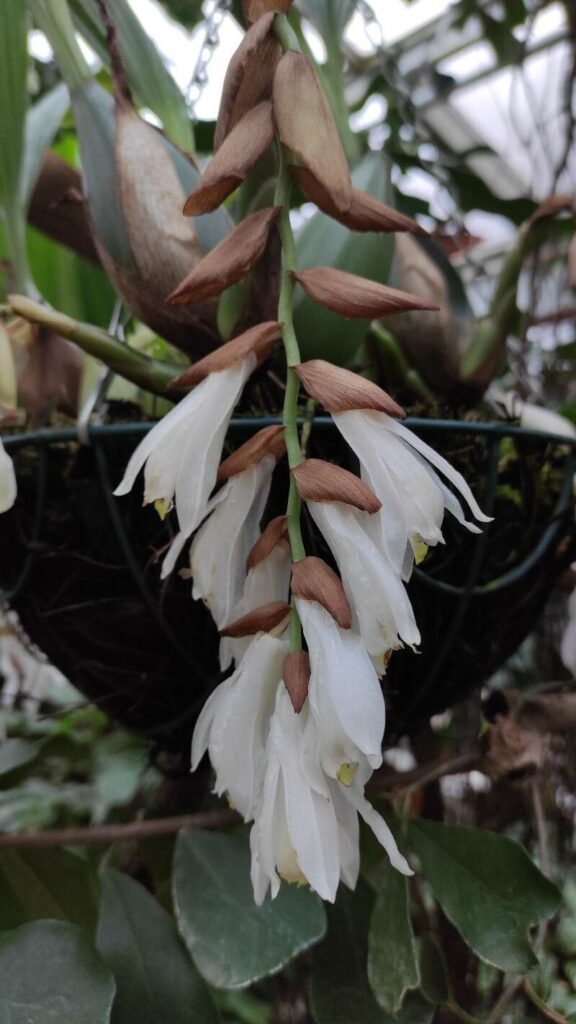
Unlocking the Secrets of Coelogyne gardneriana Propagation: A Guide to Multiplying Your Orchid
The Coelogyne gardneriana, with its cascading chains of fragrant, lime-green blooms, is a sight to behold. But did you know that replicating this beauty isn’t as daunting as it seems? Whether you’re an experienced orchid enthusiast or just starting your journey, this guide will equip you with the knowledge to propagate your Coelogyne gardneriana and expand your orchid family.
Understanding the Basics
Before we delve into the specifics, it’s crucial to remember that patience is key when propagating orchids. Unlike many common houseplants that readily sprout from cuttings, orchids require a more delicate approach and a longer timeframe.
Methods for Propagating Coelogyne gardneriana
1. Division: This is the most common and generally successful method for propagating Coelogyne gardneriana. Here’s how it’s done:
* **Timing is Key:**  The best time for division is during spring, just as the plant begins its new growth cycle.
* **Healthy Plant, Healthy Divisions:** Choose a mature plant that’s healthy and robust, with at least 6 pseudobulbs.
* **The Process:** Carefully remove the plant from its pot and gently tease apart the root ball.  Each division should have 3-4 healthy pseudobulbs with attached roots.
* **Potting Up:** Plant each division in a well-draining orchid mix, ensuring the base of the pseudobulbs sits slightly above the potting medium. Water sparingly until new growth appears.
2. Back Bulbs: Coelogyne gardneriana can produce small growths, known as “back bulbs,” at the base of older pseudobulbs. These can potentially develop into new plants.
* **Identification:**  Back bulbs look like miniature pseudobulbs and may even have small roots attached.
* **Careful Removal:** Gently twist or cut the back bulb away from the mother plant, ensuring a clean separation.
* **Potting:** Plant the back bulb in a small pot with a fine orchid mix, keeping it consistently moist. Be patient, as it may take several months for significant growth to occur.
3. Seed Propagation (Advanced): Propagating orchids from seed is a more complex and time-consuming process, often best left to experienced growers or those with specialized equipment.
Factors Influencing Success
- Environment: Provide bright, indirect light, humidity levels around 60-70%, and good air circulation.
- Watering: Water thoroughly when the potting mix approaches dryness, allowing excess water to drain completely.
- Fertilization: Use a balanced orchid fertilizer diluted to half strength during the growing season.
Troubleshooting
- Yellowing leaves: Could indicate overwatering or insufficient light.
- Shriveling pseudobulbs: Could indicate underwatering or excessive heat.
Conclusion
Propagating your Coelogyne gardneriana is a rewarding experience, allowing you to multiply your collection and share the beauty of this stunning orchid. By following these guidelines, exercising patience, and providing optimal care, you can increase your chances of success and enjoy the fruits of your labor for years to come. Happy propagating!