
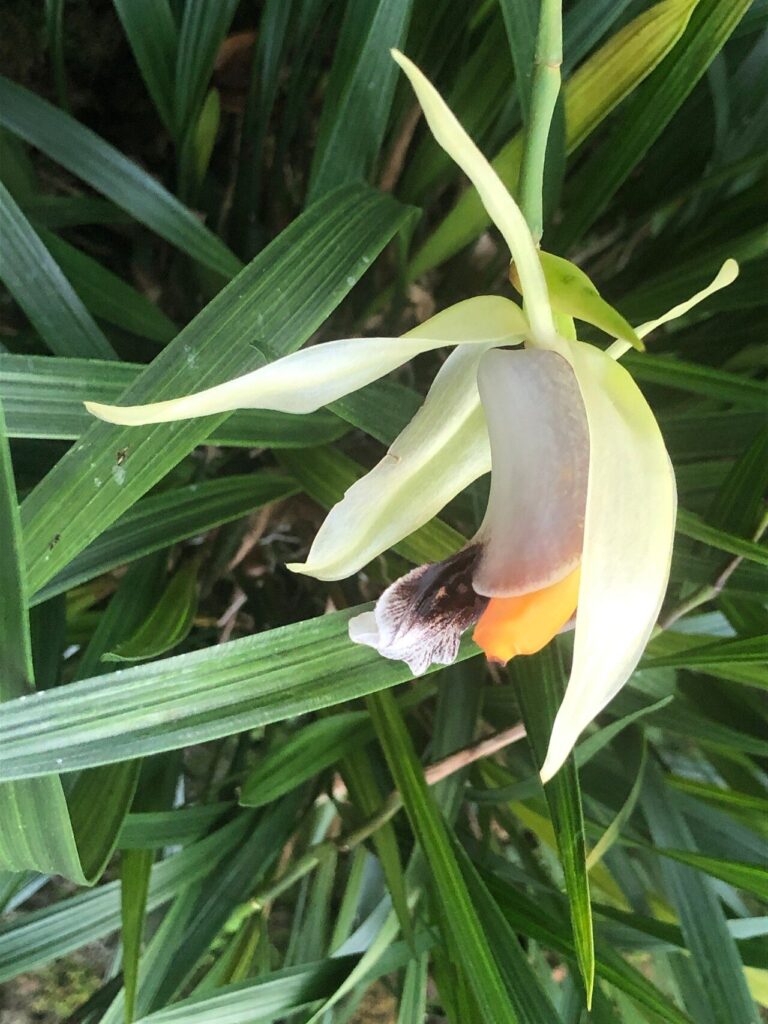
Unlocking the Secrets of Coelogyne Rumphii Propagation: A Guide to Multiplying Your Orchid
Coelogyne rumphii, with its cascading chains of delicate, fragrant blooms, is a sight to behold. This epiphytic orchid, native to Southeast Asia, captivates with its graceful beauty and intoxicating perfume. While admiring its elegance is a pleasure in itself, wouldn’t it be wonderful to multiply your Coelogyne rumphii and share its splendor?
This guide delves into the art of propagating this enchanting orchid, making it accessible even for those new to orchid cultivation.
Understanding the Basics: Two Paths to Propagation
Coelogyne rumphii can be propagated through two primary methods:
- Division: This involves separating mature plants with multiple pseudobulbs (thickened stems that store water and nutrients), creating new individual plants.
- Backbulbs: Backbulbs are older, leafless pseudobulbs that still possess the potential to sprout new growth.
The Division Method: Separation for Success
Division is the most common and generally easier method for propagating Coelogyne rumphii. Here’s a step-by-step breakdown:
- Timing is Key: The ideal time for division is during spring, just as new growth begins.
- Careful Extraction: Gently remove your Coelogyne rumphii from its pot, taking care not to damage the roots.
- Division Time: Using a sterilized knife or shears, carefully divide the plant into sections, ensuring each section has at least 3-4 healthy pseudobulbs with a good root system.
- Potting the Divisions: Plant each division in a well-draining orchid potting mix, ensuring the base of the pseudobulbs is level with the potting medium.
- Nurturing New Beginnings: Place the newly potted divisions in a warm, humid location with bright, indirect light. Water sparingly until new growth emerges, indicating established roots.
Backbulb Magic: Breathing Life into Mature Plants
Propagating through backbulbs takes a bit more patience but can be equally rewarding:
- Identifying Potential: Look for healthy backbulbs that are plump and free of disease.
- Creating the Right Environment: Place the backbulbs in a shallow tray filled with moist sphagnum moss or a similar moisture-retentive medium.
- Warmth and Humidity are Key: Place the tray in a warm, humid environment with bright, indirect light. A humidity dome or placing the tray inside a clear plastic bag can help maintain the necessary humidity levels.
- Patience is a Virtue: It may take several weeks or even months for new growth to emerge from the backbulbs. Keep the sphagnum moss consistently moist but not soggy.
- Potting Up New Shoots: Once new growth appears with roots, you can carefully pot the developing plantlets into individual pots using a well-draining orchid potting mix.
Key Factors for Propagation Success:
- Light: Bright, indirect light is crucial for both division and backbulb propagation. Avoid direct sunlight, which can scorch the leaves.
- Humidity: Coelogyne rumphii thrives in humid environments. Misting regularly or using a humidifier can help replicate its natural habitat.
- Watering: Water thoroughly when the potting mix approaches dryness. Avoid overwatering, as it can lead to root rot.
- Patience: Remember, propagation takes time. Be patient and provide consistent care, and you’ll be rewarded with beautiful new Coelogyne rumphii orchids to cherish and share.
Propagating Coelogyne rumphii is not just a matter of technique; it’s about understanding and nurturing the plant’s life cycle. With the right knowledge and a bit of patience, you can multiply your Coelogyne rumphii collection and enjoy the enchanting beauty of this orchid for years to come.