
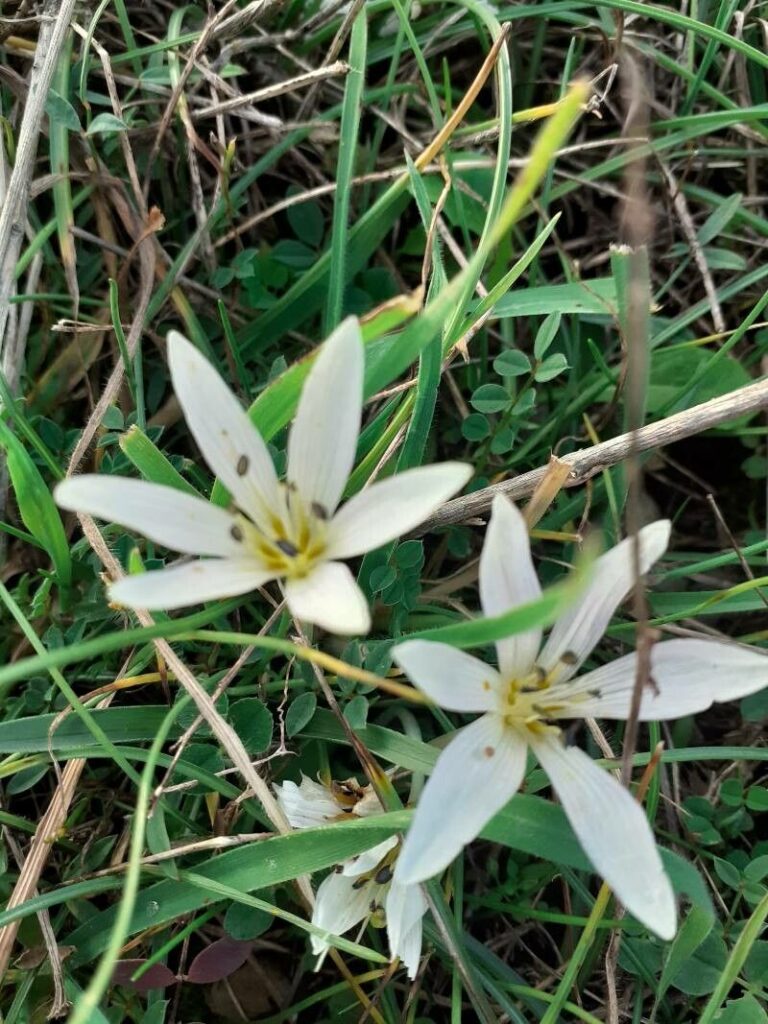
Unveiling the Secrets of Colchicum Cupanii Propagation: From Corm to Enchanting Bloom
Colchicum cupanii, with its charming, goblet-shaped blooms emerging seemingly from nowhere, adds a touch of magic to the autumn garden. While often mistaken for crocuses, these fascinating “naked ladies” have their own unique life cycle and propagation methods. Let’s dive into the world of propagating Colchicum cupanii and discover how you can welcome more of these floral wonders into your outdoor haven.
The Colchicum Cupanii Story: A Brief Intro
Colchicum cupanii, native to the Mediterranean region, are low-growing, cormous perennials. Unlike typical bulbs, corms are underground stems that store nutrients. They bloom in the fall, showcasing delicate flowers in shades of pink to lilac, often striped with a deeper hue. The foliage follows later, emerging in spring and withering away by summer, leaving the corms to lie dormant until their autumn spectacle.
Two Paths to Propagation: Seeds vs. Corms
Propagating Colchicum cupanii offers two main routes:
1. Starting from Seed: A Patient Gardener’s Delight
While rewarding, propagating from seed requires patience, as it takes several years for plants to reach flowering size. Here’s how:
- Collection: After flowering, Colchicum cupanii produces seed pods. Allow these to dry on the plant before collecting and carefully extracting the seeds.
- Sowing: Sow seeds in well-draining compost in late fall or early winter. Gently press them into the surface and cover lightly with soil.
- Patience is Key: Place seed trays in a cold frame or unheated greenhouse, ensuring consistent moisture. Germination can be erratic, taking several months or even a year.
- Transplanting: Once seedlings are large enough to handle, transplant them into individual pots and continue growing them until they are robust enough for planting in the garden.
2. Corm Division: A Quicker Path to Blooms
Dividing established Colchicum cupanii corms is a faster and more reliable propagation method:
- Timing is Crucial: The optimal time for division is during the dormant period, ideally in late summer or early fall, before the first signs of autumn growth.
- Gentle Lifting: Carefully lift the clump of corms from the ground using a garden fork. Avoid damaging the corms.
- Dividing Corms: Gently separate the corms, ensuring each division has a visible growing point. Discard any damaged or diseased corms.
- Replanting: Replant the divided corms immediately in well-draining soil at the same depth they were previously growing (around 10-15cm deep). Space them 15-20cm apart. Water them in well and watch for new growth!
Caring for Your Colchicum Cupanii Offspring
Whether you choose seeds or corms, your young Colchicum cupanii will thrive in well-drained soil and a sunny to partly shaded location. Water regularly after planting and during dry spells. Ensure good air circulation to prevent fungal diseases.
By embracing these simple techniques, you can easily propagate your own enchanting colony of Colchicum cupanii. With a little patience and care, you’ll be rewarded with years of stunning autumn blooms, adding a touch of magic to your garden landscape.