
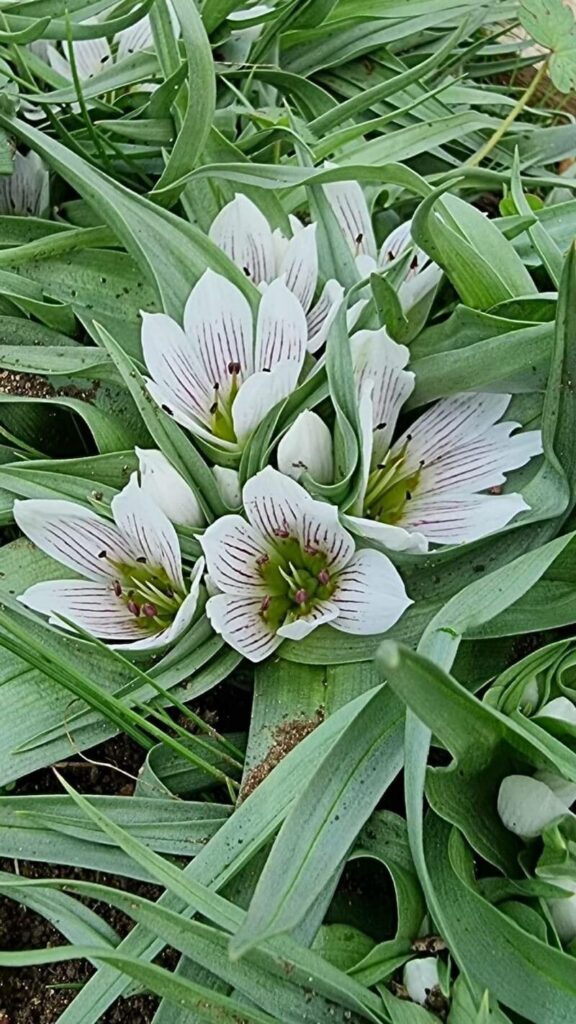
Unlocking the Mystery of Fall Blooms: Propagating the Intriguing Colchicum Palaestinum
As the summer heat fades and gardens prepare for slumber, a peculiar beauty emerges: the Colchicum palaestinum, also known as the Palestine Autumn Crocus. This intriguing bulbous perennial, native to the Eastern Mediterranean, captivates with its delicate, lilac-pink blooms that appear seemingly out of nowhere, gracing the autumn landscape with unexpected elegance.
While admiring their beauty is a delight, propagating these fascinating flowers offers a rewarding journey for any gardener, regardless of experience. Let’s delve into the secrets of multiplying your Colchicum palaestinum collection.
Two Paths to Propagation:
1. Seed Propagation: A Test of Patience
For those who relish the challenge and anticipation, propagating Colchicum palaestinum from seed offers a fulfilling experience. Here’s how:
- Timing is Key: Collect seeds from the ripe pods in late spring or early summer when they turn brown and begin to split.
- Sow Fresh: For optimal results, sow seeds immediately after collection in a well-drained seed compost.
- Patience is a Virtue: Germination is often slow and erratic, with some seeds taking a year or even longer to sprout. Place the seed trays in a cool, shaded location and keep the soil consistently moist but not waterlogged.
- Growth & Transplanting: Once the seedlings are large enough to handle, transplant them into individual pots or directly into the garden, ensuring well-drained soil and a sunny to partially shaded location.
2. Daughter Corm Division: The Efficient Approach
The most common and efficient method for propagating Colchicum palaestinum is by dividing the “daughter corms”. These small, offset corms develop around the parent corm, offering a ready source for multiplication. Follow these simple steps:
- Ideal Time: Divide the daughter corms during the dormant period, after the foliage has withered and died back, typically in late summer.
- Gentle Separation: Carefully dig up the parent corm clump and gently separate the daughter corms, ensuring each has a piece of the basal plate attached.
- Replanting: Replant the daughter corms immediately at a depth of about 4 inches and a spacing of 6 inches apart. Choose a sunny location with well-drained soil.
- Watering & Care: Water well after planting and provide regular watering until the plants establish themselves.
Propagation Tips for Success:
- Well-Drained Soil: Colchicum palaestinum thrives in well-drained soil to prevent waterlogging, which can lead to corm rot.
- Sunlight is Key: Choose a planting location that receives full sun to partial shade for optimal growth and blooming.
- Pest and Disease Watch: While generally hardy, keep an eye out for slugs and snails, especially during the emergence of young shoots.
- Embrace Patience: Whether propagating from seed or daughter corms, remember that Colchicum palaestinum can take a couple of years to establish and flower consistently.
Propagating Colchicum palaestinum, though requiring patience and care, offers remarkable rewards. By understanding their unique lifecycle and employing the right techniques, you can enjoy an abundance of these mystical fall bloomers, painting your autumn garden with their ephemeral beauty.