
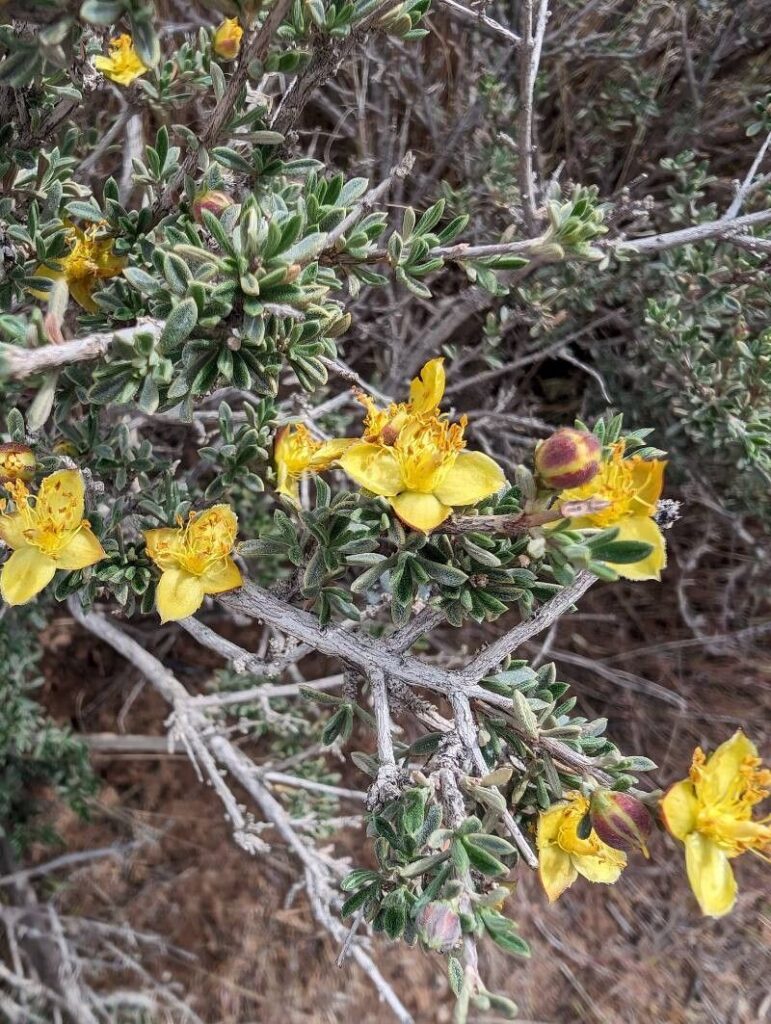
Taming the Wild Blackbrush: A Guide to Propagating Coleogyne ramosissima
Coleogyne ramosissima, more affectionately known as blackbrush, is a tough, resilient shrub native to the arid regions of the American Southwest. While it might not boast the showy blooms of a rose or the sweet scent of lavender, this fascinating plant holds a special place in the hearts of desert dwellers and plant enthusiasts alike. Its ability to thrive in harsh, unforgiving landscapes speaks volumes about its tenacity, and for those willing to put in a little effort, bringing a piece of that wild beauty home is entirely possible.
Propagating Coleogyne ramosissima isn’t as straightforward as tossing seeds in the ground and hoping for the best, but it’s definitely achievable with the right techniques and a healthy dose of patience. Here’s a peek into the world of blackbrush propagation:
The Seed Route:
- Gathering the Goods: Blackbrush seeds are typically ripe for collection in late summer or early fall. Look for the characteristic fluffy, white seed heads nestled amongst the branches. A gentle rub should easily release the seeds.
- Breaking Dormancy: Like many desert plants, blackbrush seeds have a tough outer coating and built-in dormancy mechanisms to prevent them from germinating prematurely in the unpredictable desert climate. To overcome this, you need to mimic natural processes. Scarification, or gently nicking the seed coat, followed by a period of cold stratification (exposing seeds to cold, moist conditions) will greatly improve germination rates.
- Sowing the Seeds: Once stratified, sow your seeds in well-draining soil, barely covering them. Remember, these seeds are adapted to harsh desert environments, so avoid overwatering!
- Patience is Key: Germination can take anywhere from a few weeks to several months. Don’t be discouraged if you don’t see results immediately – just keep the soil lightly moist and be prepared to wait.
Taking Cuttings:
- Timing is Everything: The ideal time for taking cuttings is during the plant’s active growing season – typically in spring or early summer.
- Choosing the Right Material: Look for healthy, non-flowering stems. Cuttings should be around 4-6 inches long, and remove the leaves from the bottom half.
- Hormone Help: Dipping your cuttings in rooting hormone will significantly increase your chances of success.
- Creating the Perfect Environment: Plant your cuttings in a well-draining potting mix and place them in a warm, shaded spot. Maintaining high humidity around the cuttings by covering the pot with a plastic bag will help to prevent moisture loss.
- Waiting for Roots: Rooting can take several weeks. Once your cuttings show signs of new growth, you can gradually acclimate them to outdoor conditions before planting them in their permanent locations.
Important Considerations:
- Choose the Right Location: Remember that blackbrush is adapted to full sun and well-drained soils. Replicate these conditions as closely as possible in your garden.
- Water Wisely: Once established, blackbrush is incredibly drought-tolerant. However, regular watering during the first year will help it develop a strong root system.
- Be Patient: Blackbrush is a slow-growing plant, but with time and care, it will reward you with its unique beauty and resilience for many years to come.
Propagating Coleogyne ramosissima may require a bit more effort than some plant species, but the reward of successfully cultivating this hardy desert dweller in your own backyard makes it a truly satisfying endeavor. So why not embrace the challenge and add a touch of the wild to your landscape?