
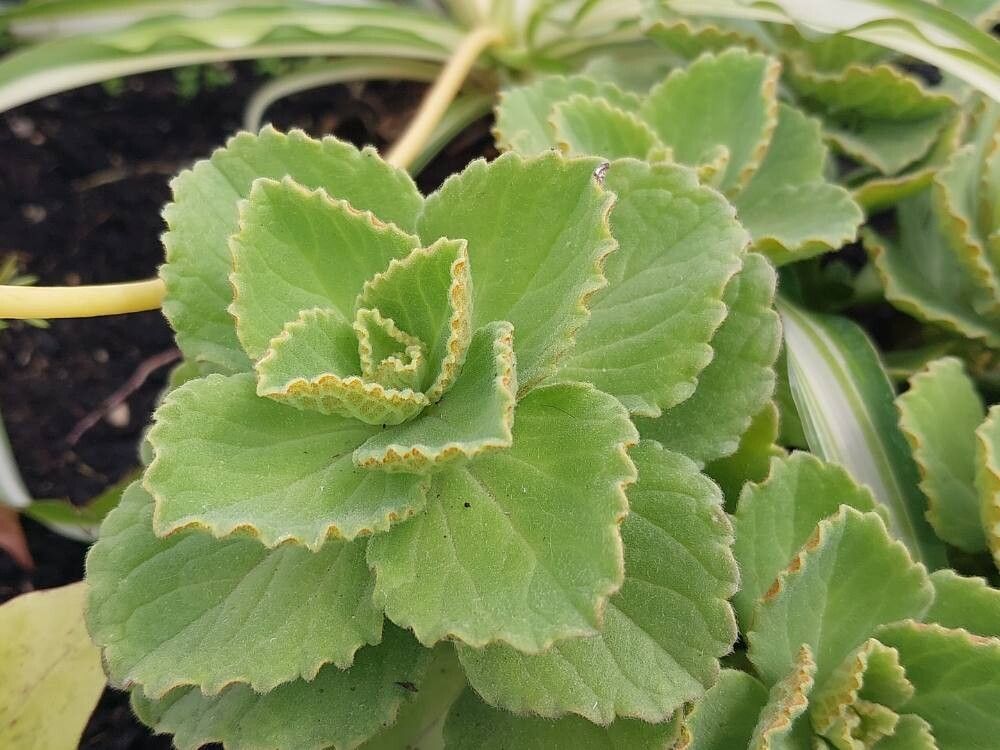
Propagating Coleus caninus: A Gardener’s Guide to the "Dog’s Tooth" Plant
Introduction:
Coleus caninus, commonly known as the "Dog’s Tooth" plant, is a captivating herbaceous perennial prized for its distinctive, coarsely toothed leaves and often vibrant, colorful foliage. While not as widely known as some coleus varieties, its unique characteristics and supposed mosquito-repelling properties (although scientific evidence is limited) have garnered it a following among gardeners. Its propagation, however, presents some interesting challenges, making successful cultivation a rewarding experience. This article will explore various methods for propagating Coleus caninus, weighing the pros and cons of each approach.
Seed Germination:
Currently, there are no known reliable methods for seed germination propagation of Coleus caninus. While the plant may produce seeds, their viability and germination rate are extremely low, making this method impractical for most gardeners.
Cuttings:
- Challenges: Coleus caninus cuttings, while relatively easy to root compared to seed propagation, can still be prone to rot if not properly cared for. Maintaining appropriate humidity and preventing fungal infections are crucial.
- Practical Tips: Take stem cuttings of approximately 4-6 inches long, removing lower leaves to prevent rot. Dip the cut ends in rooting hormone to stimulate root development. Plant the cuttings in a well-draining potting mix, such as a peat-perlite mixture, and cover them with a clear plastic bag or humidity dome to maintain high humidity. Keep the cuttings in bright, indirect light and mist regularly to keep the soil moist, but not waterlogged. Rooting typically takes several weeks.
- Rewards: Cuttings provide a reliable means of propagating Coleus caninus, allowing for the preservation of desirable traits from existing plants. This method is efficient for medium-scale propagation.
Division:
- Challenges: Division is only feasible for established, mature plants with well-developed root systems. Dividing the plant too aggressively can damage the root ball and lead to poor establishment of the divisions.
- Practical Tips: Carefully divide the plant during the spring or early summer. Ensure each division has a portion of the root system and healthy leaves. Replant the divisions in well-draining soil and keep them consistently moist until they become established.
- Rewards: Division offers a relatively quick and easy method to increase the number of Coleus caninus plants, particularly suitable when dealing with larger, mature specimens. The process is minimally invasive compared to other methods.
Tissue Culture:
- Challenges: Tissue culture requires specialized equipment, a sterile environment, and a good understanding of plant tissue culture techniques. This method is not suitable for home gardeners.
- Practical Tips: This method requires a controlled laboratory setting with sterile media, growth hormones, and meticulous aseptic techniques. Specific protocols for Coleus caninus may need to be developed.
- Rewards: Tissue culture offers the potential for rapid and large-scale propagation, allowing for the preservation of genetic material and the production of disease-free plants.
Conclusion:
Propagating Coleus caninus presents unique challenges. While seed germination is not a viable option, cuttings and division provide reliable and relatively accessible methods for home gardeners. Tissue culture, although highly effective for large-scale propagation, requires specialized knowledge and equipment. The rewards of successfully cultivating this intriguing plant, however, outweigh the difficulties. The satisfaction of nurturing a cutting into a thriving plant, or carefully dividing a healthy specimen, is a testament to the gardener’s patience and skill. For aspiring propagators, starting with cuttings is the most achievable and rewarding path, building confidence and skills before potentially exploring more complex techniques like tissue culture. Remember consistency in watering, proper humidity, and bright indirect light are key to success with whichever method is chosen.