
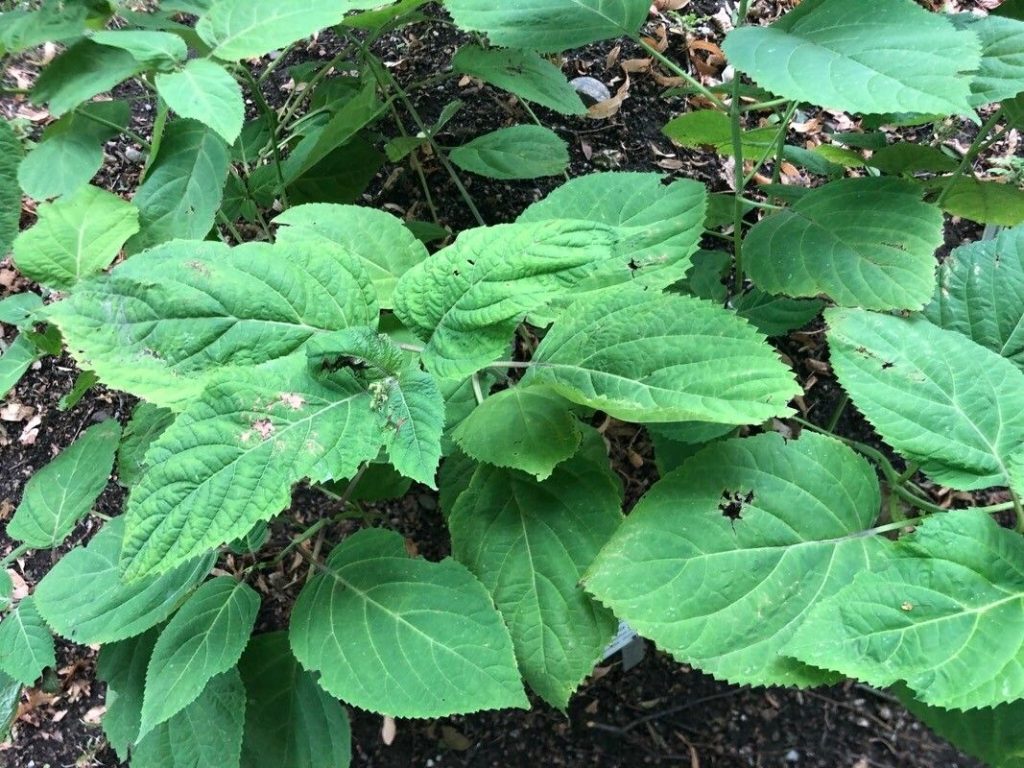
Propagating Collinsonia canadensis: The Challenges and Rewards of Growing Richweed
Collinsonia canadensis, commonly known as richweed, horse balm, or stoneroot, is a striking native North American perennial prized for its unique, square stems, showy yellow flowers, and attractive foliage. Its vibrant presence in gardens, coupled with its medicinal properties, makes it a desirable plant for many horticulturists. However, propagating richweed can present specific challenges, making success all the more rewarding. This article explores various propagation methods, highlighting their viability and associated difficulties.
Seed Germination:
Currently, there are no known reliable methods for seed germination propagation of Collinsonia canadensis. While seeds may be produced, their germination rate is notoriously low, making this method impractical for most gardeners. Further research into seed viability and optimal germination conditions is needed.
Cuttings:
Propagating Collinsonia canadensis via cuttings offers a more reliable approach than seed germination. However, it still presents challenges.
- Challenges: Richweed cuttings have a relatively low rooting success rate. The type of cutting (softwood, semi-hardwood, hardwood) may influence success, and experimenting with different types might be necessary.
- Practical Tips: Take cuttings in late spring or early summer from non-flowering stems. Use a rooting hormone to improve chances of success. Plant cuttings in a well-draining medium like a perlite/vermiculite mix under high humidity conditions (e.g., using a propagator or covering with a plastic bag). Keep the medium consistently moist but not soggy.
- Rewards: Cuttings provide a relatively quick method to increase the number of plants, maintaining the genetic characteristics of the parent plant.
Division:
Division is arguably the most successful method for propagating Collinsonia canadensis.
- Challenges: Division requires established plants, limiting its use for immediately increasing the population. Care must be taken to avoid damaging the roots, which can hinder the plants’ establishment.
- Practical Tips: Divide mature clumps in early spring or fall when the plant is dormant or minimally active. Ensure each division has healthy roots and several growing points. Plant divisions in well-prepared, moist soil, ensuring adequate spacing.
- Rewards: Division offers the highest success rate for propagating richweed and allows for the rapid expansion of existing plants.
Tissue Culture:
Tissue culture propagation of Collinsonia canadensis is not widely practiced and requires specialized equipment and expertise.
- Challenges: Establishing a sterile tissue culture lab and mastering the protocols for richweed specifically represent significant hurdles. The cost and technical skill requirement are high barriers to entry.
- Practical Tips: This method requires extensive research and optimization of media composition and growth regulators to achieve successful propagation. This is typically undertaken by research institutions or specialized nurseries.
- Rewards: Tissue culture offers the potential for mass propagation and disease-free plants, but this method remains inaccessible for most home gardeners.
Conclusion:
Propagating Collinsonia canadensis presents a unique blend of challenges and rewards. While seed germination is unreliable, cuttings offer a moderate success rate, but division remains the most practical and effective method for most gardeners. Tissue culture, though potentially impactful on a large scale, is beyond the reach of most hobbyists. Yet, the satisfaction derived from successfully propagating this beautiful and resilient plant is immense. The effort involved, whether through the careful nurturing of cuttings or the delicate division of a mature clump, fosters a deeper appreciation for its growth and survival. Don’t be discouraged by the initial difficulties; with patience and persistence, the rewards of cultivating thriving richweed plants are well worth the effort. Start with division if possible, and experiment with cuttings as a supplementary method. Happy propagating!