
Unleashing a Wildflower Symphony: Propagating the Fiery Collomia Biflora
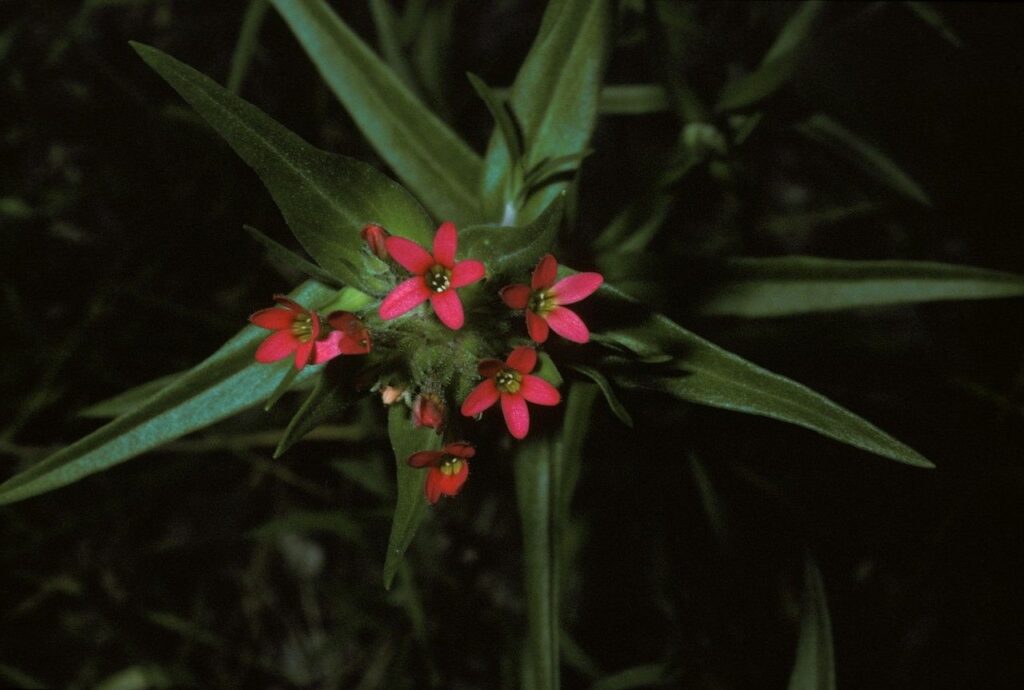
The Collomia biflora, with its vibrant orange-red trumpet-shaped blooms, is a wildflower that packs a visual punch. Native to the western regions of North America, this striking plant, also known as the Mountain Garland or Scarlet Trumpet, can bring a touch of fiery beauty to gardens across various climates. While readily available in seed packets, understanding the nuances of Collomia biflora propagation can elevate your gardening game from hopeful scattering to a guaranteed symphony of scarlet blooms.
Sowing the Seeds of Success
The most common and reliable method for propagating Collomia biflora is by seed. The good news is, these hardy wildflowers have minimal demands:
- Timing is Key: Aim to sow your seeds outdoors after the threat of frost has passed, typically in late spring.
- Location, Location, Location: Collomia biflora thrives in full sun to partial shade. Choose a well-drained location to prevent waterlogging.
- Seed Depth Matters: Sow seeds just below the soil surface, approximately 1/8 inch deep. You can gently press them down to ensure good contact with the soil.
- Moisture is Magic: Keep the soil consistently moist, not soaking wet, until the seeds germinate, which usually takes 10-14 days.
Beyond the Basics: Tips for Abundant Blooms
- Cold Stratification (Optional): While not mandatory, cold stratification can help increase germination rates. You can achieve this by mixing your seeds with slightly damp vermiculite or sand, storing them in a sealed bag, and placing them in the refrigerator for 4-6 weeks before sowing.
- Thinning Out the Crowd: Once your seedlings emerge and have developed a few sets of true leaves, thin them out to provide adequate spacing. Aim for a distance of 6-12 inches between plants to allow them ample room to grow and flourish.
- Deadheading for Prolific Blooming: For extended blooming throughout the season, consider deadheading (removing spent flowers). This redirects the plant’s energy from seed production back to producing more blossoms.
Beyond Seed: Exploring Alternatives
While seed propagation is the most prevalent method for Collomia biflora, you can also try your hand at:
- Cuttings: Take softwood cuttings from established plants in late spring or early summer. Dip the cut ends in rooting hormone and place them in a well-draining potting mix. Keep the cuttings consistently moist and in a humid environment until they develop roots.
A Symphony Worth Sharing
Propagating Collomia biflora is a rewarding endeavor, allowing gardeners to cultivate these fiery beauties and contribute to their presence in diverse landscapes. Whether you choose the traditional route of seed sowing or explore methods like cuttings, remember that patience and observation are key. With a little care and attention, you’ll soon be graced with a stunning display of scarlet trumpets, a testament to your wildflower propagation prowess.