
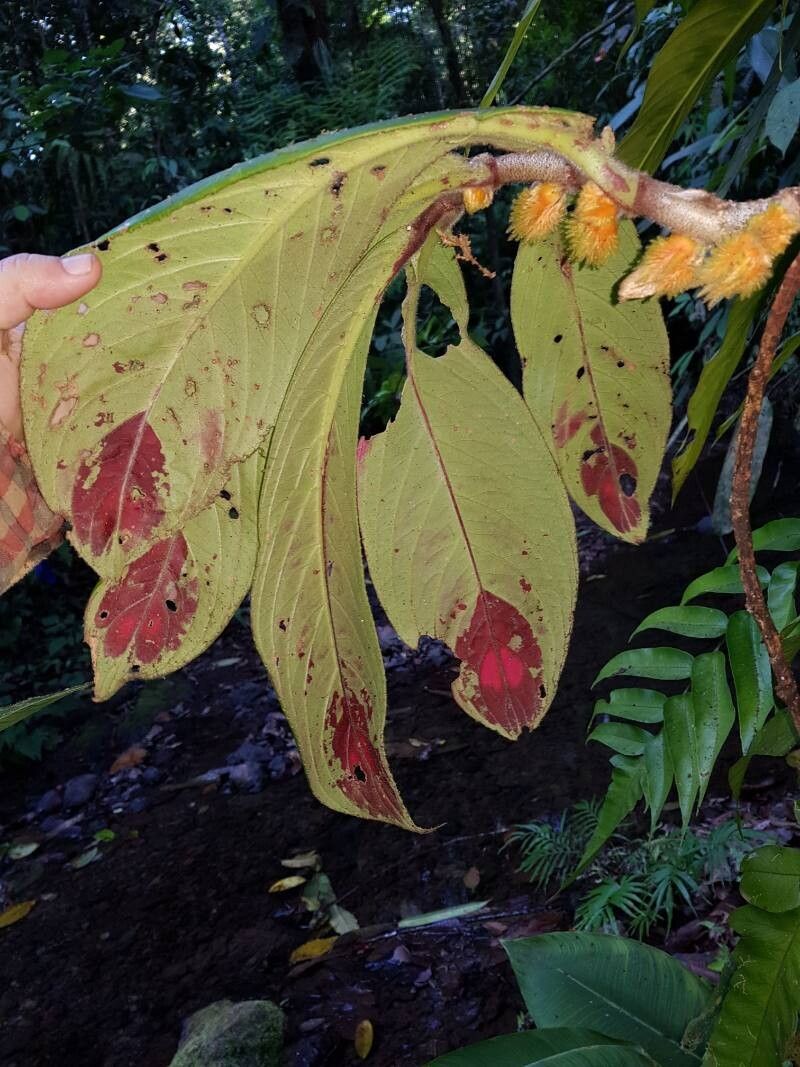
Unleash Your Inner Florist: Propagating the Showstopping Columnea Florida
The Columnea florida, also known as the goldfish plant for its vibrant, fish-shaped blooms, is a sight to behold. But did you know this tropical beauty is surprisingly easy to propagate? That’s right! You can multiply your collection and share the joy of these cascading blossoms with friends. Let’s dive into the rewarding world of Columnea florida propagation.
Understanding the Basics
Before we get our hands dirty (well, not literally too dirty), here’s what you need to know:
- Timing is Key: Spring and early summer, when your plant is actively growing, are the prime times for propagation.
- Two Techniques: Stem cuttings offer the most straightforward approach, while air layering is a slightly more advanced method for experienced plant parents.
- Patience is a Virtue: Give your new plants time. While some cuttings might root quickly, others could take several weeks.
Method 1: Propagation from Stem Cuttings
This is the go-to method for most Columnea enthusiasts due to its simplicity:
- Prepare Your Tools: Gather clean, sharp scissors or pruning shears, a small pot (around 4 inches), a well-draining potting mix designed for African violets or similar plants, and a spray bottle filled with water.
- Take Your Cuttings: Choose healthy stems with at least two or three nodes (the slightly swollen bumps where leaves grow). Cut about 4-6 inches below a node, ensuring a clean cut.
- Prep the Cuttings: Remove the lower leaves, leaving only a couple at the top. This redirects the plant’s energy towards root development.
- Potting Time: Fill your pot with the prepared potting mix, moisten it lightly, and create a small hole in the center. Gently insert the bottom inch of the cutting into the hole. Ensure the removed leaves’ nodes are beneath the soil level as roots can develop from these areas.
- Creating a Greenhouse Effect: Place the pot in a bright location, but out of direct sunlight. Cover it loosely with a clear plastic bag or use a humidity dome to maintain moisture.
- The Waiting Game: Mist the soil regularly to keep it lightly moist, but avoid overwatering. With patience, roots should develop within 4-6 weeks.
Method 2: Air Layering – A Step Up
For a more hands-on approach and potentially faster results, delve into the world of air layering:
- Select a Stem: Choose a healthy, mature stem.
- Make an Incision: Gently wound the stem about 6-8 inches from the tip using a sterilized knife. Make a shallow, upward cut, about an inch long. You can insert a toothpick to keep the wound open.
- Apply Rooting Hormone: (Optional) While not mandatory, dipping the wounded area in rooting hormone can encourage faster root development.
- Wrap and Wait: Encase the wounded section generously with damp sphagnum moss, securing it with plastic wrap.
- Moisture is Key: Keep the moss consistently moist, using a syringe to add water as needed.
- Root Formation: After several weeks, check for root development through the plastic. Once you see a healthy network, sever the stem below the roots and pot the new plant.
Caring for Your New Columnea Florida
Once your new plants are established, treat them to the same love as their parent. This includes bright, indirect light, well-draining soil, and consistent moisture without overwatering. Soon, you’ll be enjoying a vibrant cascade of “goldfish” blooms!
Happy propagating!