
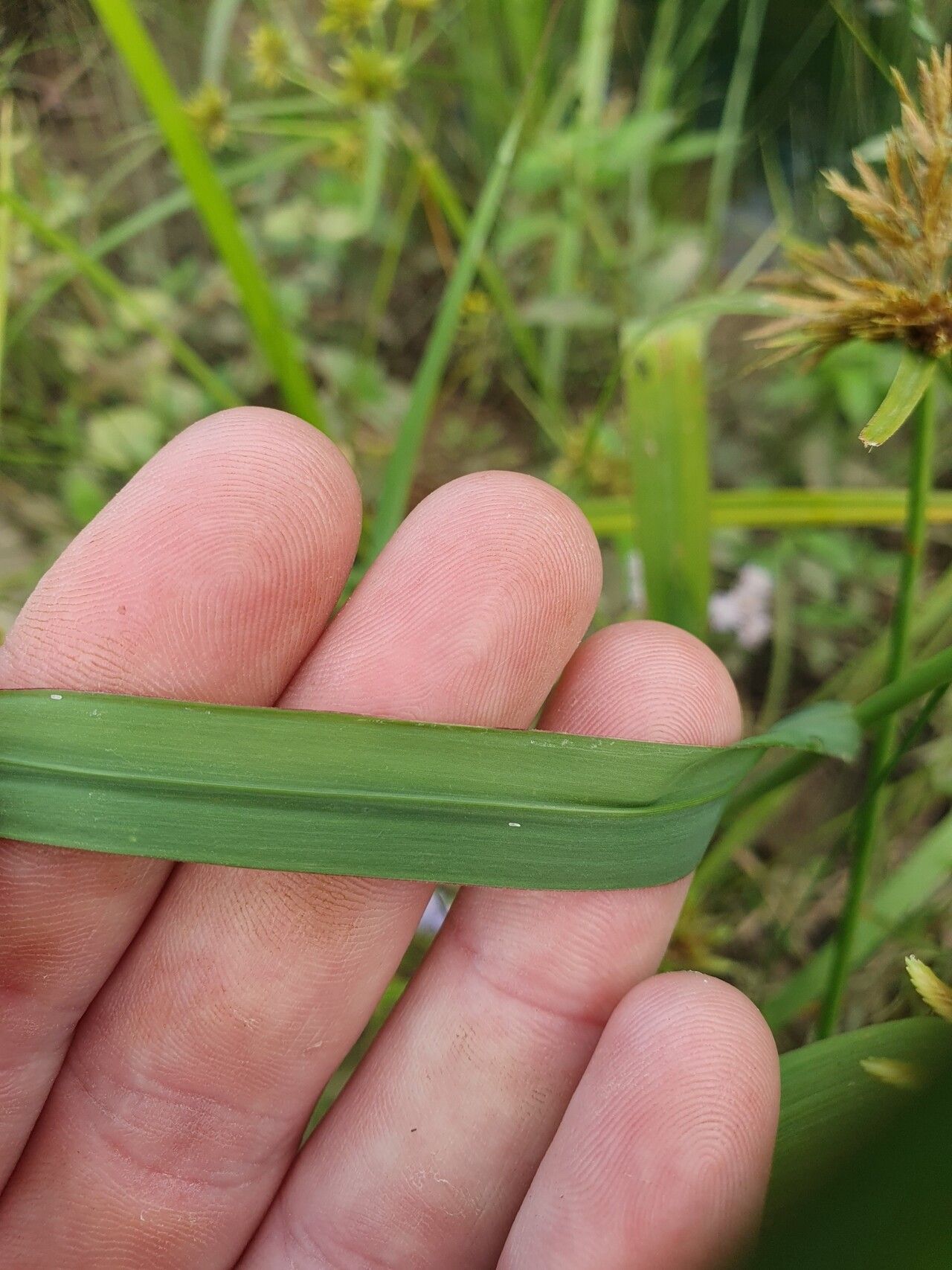
Taming the Marsh Millet: Propagating Echinochloa telmatophila
Echinochloa telmatophila, known by its common name, marsh millet, might seem like a mouthful, but this unique grass is gaining popularity among ecological landscapers and native plant enthusiasts. Why? This North American native boasts beautiful, textured foliage and plays a vital role in wetland ecosystems. But how do you go about propagating this fascinating species? Let’s dive into the world of marsh millet propagation.
Two Paths to Propagation
Marsh millet, like many grasses, offers two primary methods of propagation:
1. Seed Propagation:
- The Hunt for Seeds: Echinochloa telmatophila seeds aren’t typically found lining the shelves of your local garden center. Your best bet is to seek out reputable seed suppliers specializing in native plants or wetland species. Alternatively, with the proper permits, you can carefully collect seeds from wild populations in late summer or early fall.
- Sowing the Seeds: Marsh millet seeds germinate best with some pre-treatment.
- Cold Stratification: Mimic nature by placing the seeds in a moist paper towel, sealing them in a plastic bag, and refrigerating them for 4-6 weeks. This process breaks seed dormancy and enhances germination rates.
- Sowing Time: Once stratified, sow the seeds in late winter or early spring, either indoors under grow lights or directly into your garden once the threat of frost has passed.
- Soil and Water: Use a well-draining seed starting mix or create a mixture that mimics the plant’s natural boggy habitat. Keep the soil consistently moist but not waterlogged.
- Patience is Key: Germination can be erratic, taking anywhere from a few weeks to a couple of months. Don’t lose hope if you don’t see sprouts immediately.
2. Division:
- Divide and Conquer: Established clumps of marsh millet can be easily divided in early spring or fall.
- Digging Deep: Carefully dig up the entire clump, ensuring you get as much of the root system as possible.
- Sharp Separation: Use a sharp, clean knife or spade to divide the clump into smaller sections, each containing a healthy portion of roots and shoots.
- Replanting: Replant the divisions at the same depth they were originally growing, spacing them about 1 to 2 feet apart.
- Water Wisely: Water thoroughly after dividing and keep the soil moist until the divisions are well established.
Tips for Success
- Sunlight is Essential: Marsh millet thrives in full sun to partial shade, ideally receiving at least 6 hours of direct sunlight daily.
- Moisture Matters: While adaptable, this grass prefers moist to wet soil. If your garden tends to be dry, consider amending the soil with organic matter or providing supplemental watering during dry periods.
- Friend or Foe?: While beautiful, Echinochloa telmatophila can be aggressive in ideal conditions. Be mindful of its potential to spread and choose its location wisely.
Reap the Rewards
With a bit of patience and the right approach, propagating Echinochloa telmatophila can be a rewarding endeavor. You’ll not only be adding a striking and unique plant to your landscape but also contributing to the preservation of this valuable native species.