
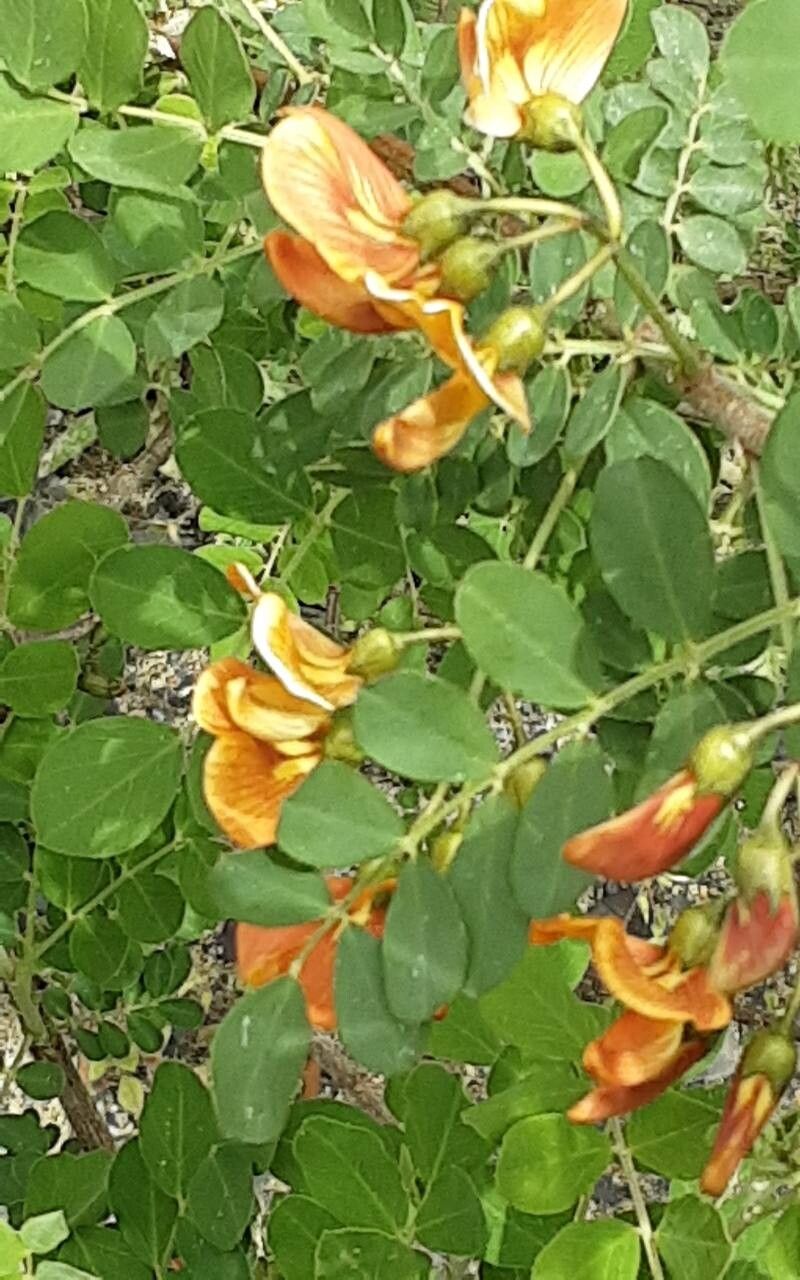
From Seed to Shrub: How to Propagate the Vibrant Colutea orientalis
The Colutea orientalis, also known as the “Bladder Senna,” is a captivating shrub that adds a splash of color and texture to any garden. Its unique, inflated seed pods, resembling tiny, papery bladders, are a visual delight, and its vibrant yellow flowers provide a cheerful burst of color during the summer months. But what if you’d like to share this beauty with friends or create a whole row of these charming shrubs? That’s where propagation comes in.
Starting with Seeds:
The most common method of propagating Colutea orientalis is through seeds. Here’s a step-by-step guide:
Collect the Seeds: After the yellow flowers fade, the seed pods begin to form and swell. Once they turn brown and dry, they are ready for harvesting. Carefully open the pods and extract the seeds.
Prepare the Seeds: You can sow the seeds directly in the ground or start them indoors. For direct sowing, choose a sunny spot with well-drained soil. Sow the seeds in autumn or early spring and cover them lightly with soil. For indoor sowing, use seed trays filled with a seed-starting mix and keep the trays in a warm, sunny location.
Encourage Germination: Colutea orientalis seeds can be slow to germinate. They require a period of cold stratification, mimicking the conditions they experience in nature. To achieve this, mix the seeds with moist vermiculite or peat moss and store them in a sealed container in the refrigerator for 6-8 weeks. After this period, the seeds should germinate more readily.
- Transplant the Seedlings: Once the seedlings have developed a few true leaves (the leaves after the cotyledons), they can be transplanted to a larger pot or outdoors, ensuring they have a sunny location.
Exploring Other Propagation Options:
While seeds are the traditional method, Colutea orientalis can also be propagated through cuttings:
Taking Softwood Cuttings: Select healthy, young stems with soft, new growth. Use a sharp knife or pruning shears to cut 4-6 inches of stem and remove any leaves from the bottom inch.
Promote Root Development: Dip the cut end in rooting hormone powder or solution to encourage root growth. Prepare pots filled with a well-draining potting mix and place the cuttings in the pots, ensuring the bottom inch is covered with soil.
Maintain Moisture: Keep the soil consistently moist, and cover the cuttings with a clear plastic dome to create a humid environment. This helps to prevent the cuttings from wilting and speeds up root formation.
- Patience is Key: Rooting process can take anywhere from several weeks to a few months. Once roots develop, the cuttings can gradually be introduced to full sunlight and acclimated to outdoor conditions.
Tips for Success:
- Remember that Colutea orientalis prefers well-drained soils and full sun. Choose a suitable location for planting.
- Water the seedlings and cuttings regularly, especially during dry periods.
- Keep an eye out for pests like aphids and spider mites.
- Prune the shrubs regularly to encourage bushy growth and control their size.
The Colutea orientalis is a hardy and adaptable plant that can add a touch of whimsy to any garden. By following these propagation methods, you can enjoy the beauty of this unique shrub, sharing its vibrancy with others or creating a stunning display in your own outdoor space.