
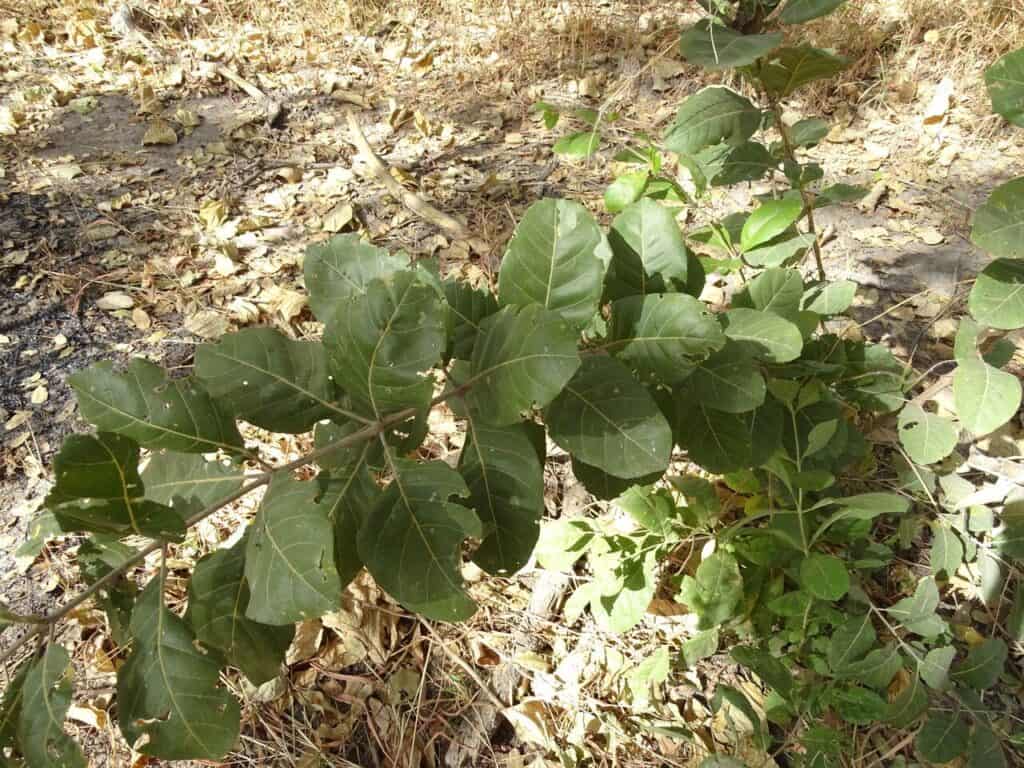
Taming the Wild Beauty: Propagating Combretum glutinosum
Combretum glutinosum, also known as the Bushwillow or Sticky Combretum, is a captivating tree native to Africa, renowned for its vibrant yellow flowers and stunning autumn foliage. This hardy species, tolerant of drought and poor soil conditions, can become a striking addition to gardens in suitable climates. But how do you bring this wild beauty into your own backyard? Let’s explore the fascinating world of propagating Combretum glutinosum.
Understanding the Basics: Seed vs. Cutting
When it comes to propagating Combretum glutinosum, you have two primary options:
1. Seed Propagation: This method, while mirroring the natural life cycle, can be a test of patience. Combretum glutinosum seeds possess a hard outer coating, requiring a little extra care to encourage germination.
2. Cutting Propagation: A faster and often more reliable approach, cutting propagation involves taking cuttings from a healthy Combretum glutinosum and encouraging them to develop roots.
The Seed Route: A Journey of Patience
1. Seed Collection: Collect mature seed pods directly from the tree, ideally during the dry season when they readily fall.
2. Seed Preparation: The key to success lies in breaking through the tough seed coat. Gently nicking the seed coat with a file or lightly sanding a small section can significantly improve germination rates.
3. Sowing: Plant the seeds in a well-draining potting mix, keeping them moist but not waterlogged. Patience is crucial; germination can take several weeks or even months.
Cutting Edge Propagation: The Path to Faster Results
1. Timing is Key: Take semi-hardwood cuttings, which are slightly woody but still flexible, during the active growing season (spring or early summer).
2. Selecting the Right Cuttings: Choose healthy, vigorous shoots around 4-6 inches long, making the cut just below a leaf node.
3. Rooting Hormone: A Helping Hand: Dipping the cut end in rooting hormone powder can significantly increase the chances of successful root development.
4. Creating the Optimal Environment: Plant the cuttings in a well-draining potting mix, ensuring the bottom leaf nodes are buried. Cover the pot with a plastic bag or place it in a propagator to maintain humidity.
5. Patience and Observation: Keep the cuttings in a warm, well-lit location, but out of direct sunlight. Rooting can take several weeks. Once you notice new growth, you’ll know your cuttings have successfully rooted.
Transplanting for Success:
Whether you’ve nurtured seedlings or rooted cuttings, transplant them into larger pots or directly into the ground once they’ve developed a strong root system. Remember to choose a sunny location with well-draining soil.
A Rewarding Endeavor
Propagating Combretum glutinosum might require a touch of patience and dedication, but seeing this beautiful tree thrive in your own space, adorned with vibrant blossoms and stunning autumn hues, will make the journey truly rewarding. It’s a chance to cultivate a connection with nature, one cutting or seed at a time.