
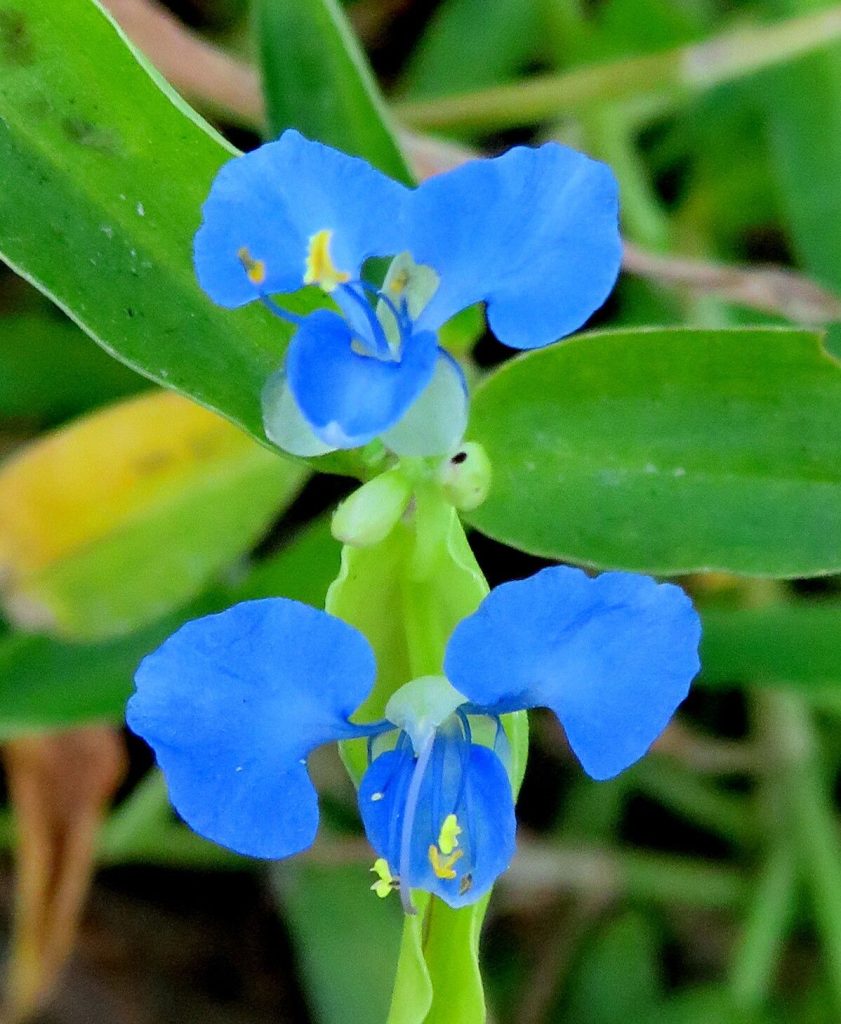
Propagating Commelina benghalensis: A Guide to the Wandering Jew’s Resilience
Introduction:
Commelina benghalensis, commonly known as the wandering Jew (although this name is also applied to other plants), is a widespread, prostrate, herbaceous plant belonging to the Commelinaceae family. Its characteristic succulent leaves, vibrant blue flowers, and tenacious nature have made it a popular choice among gardeners, particularly those who appreciate low-maintenance groundcovers. While its weedy tendencies in some regions might be seen as a disadvantage, its ease of propagation and striking appearance contribute to its allure. This article explores various methods for propagating Commelina benghalensis, highlighting both their challenges and rewards.
Seed Germination:
Currently, there are no known reliable methods for seed germination propagation of Commelina benghalensis. While the plant does produce seeds, their germination rate is notoriously low, often hampered by dormancy and the specific environmental requirements that remain poorly understood. Attempts at seed germination have yielded inconsistent results, making this method impractical for most home gardeners and commercial propagators.
Cuttings:
1. Viability: Propagation via stem cuttings is a highly viable and successful method for Commelina benghalensis. The plant’s ability to readily root from stem fragments makes it exceptionally easy to propagate.
2. Challenges and Tips: The main challenge is ensuring sufficient moisture to prevent the cuttings from wilting before rooting. Take cuttings of approximately 4-6 inches long, removing the lower leaves to prevent rot. Dip the cut ends in rooting hormone (optional but beneficial) and plant them in a well-draining potting mix, keeping the soil consistently moist but not waterlogged. High humidity can also significantly improve rooting success; covering the cuttings with a plastic bag or propagator dome helps maintain humidity levels.
3. Rewards: Cuttings offer a straightforward and efficient method, allowing for rapid propagation of numerous plants. While genetically identical to the parent plant, this method ensures the preservation of desirable traits.
Division:
1. Viability: Division is another highly effective method for propagating Commelina benghalensis. Its vigorous growth habit and tendency to spread through rhizomes make division a relatively simple process.
2. Challenges and Tips: The main challenge lies in carefully separating the rhizomes to ensure each division has sufficient roots and foliage for establishment. The best time to divide is during the active growing season (spring or summer). Dig up the plant carefully, gently untangling the intertwined rhizomes, and separate them into individual crowns or clumps with several nodes and leaves. Replant immediately, ensuring proper spacing between divisions.
3. Rewards: Division offers a quick way to establish multiple plants from a single mature specimen. It is ideal for expanding existing patches or creating new plantings quickly.
Tissue Culture:
1. Viability: While tissue culture is potentially viable, it’s a more complex and technically demanding method generally reserved for large-scale propagation or specific research purposes.
2. Challenges and Tips: Establishing a sterile environment free from contaminants is crucial. Finding the appropriate nutrient medium and growth regulators to optimize shoot multiplication and root formation requires expertise and specialized equipment.
3. Rewards: Tissue culture offers great potential for large-scale propagation, disease elimination, and the generation of numerous clones from a single plant. However, this method requires significant investment in equipment and expertise.
Conclusion:
Propagating Commelina benghalensis offers a blend of both simplicity and unique challenges. While seed propagation remains unreliable, cuttings and division provide readily accessible and highly effective methods for home gardeners. Tissue culture, though more complex, offers significant potential for large-scale operations. The satisfaction derived from successfully cultivating this tenacious plant, despite the potential hurdles, is a testament to its resilience and the rewarding nature of propagation itself. For aspiring propagators, embracing the simplicity of cuttings and division, combined with patience and diligent care, will undoubtedly yield a plentiful harvest of this striking groundcover. Remember consistent moisture and well-draining soil are key to success with any chosen method.