
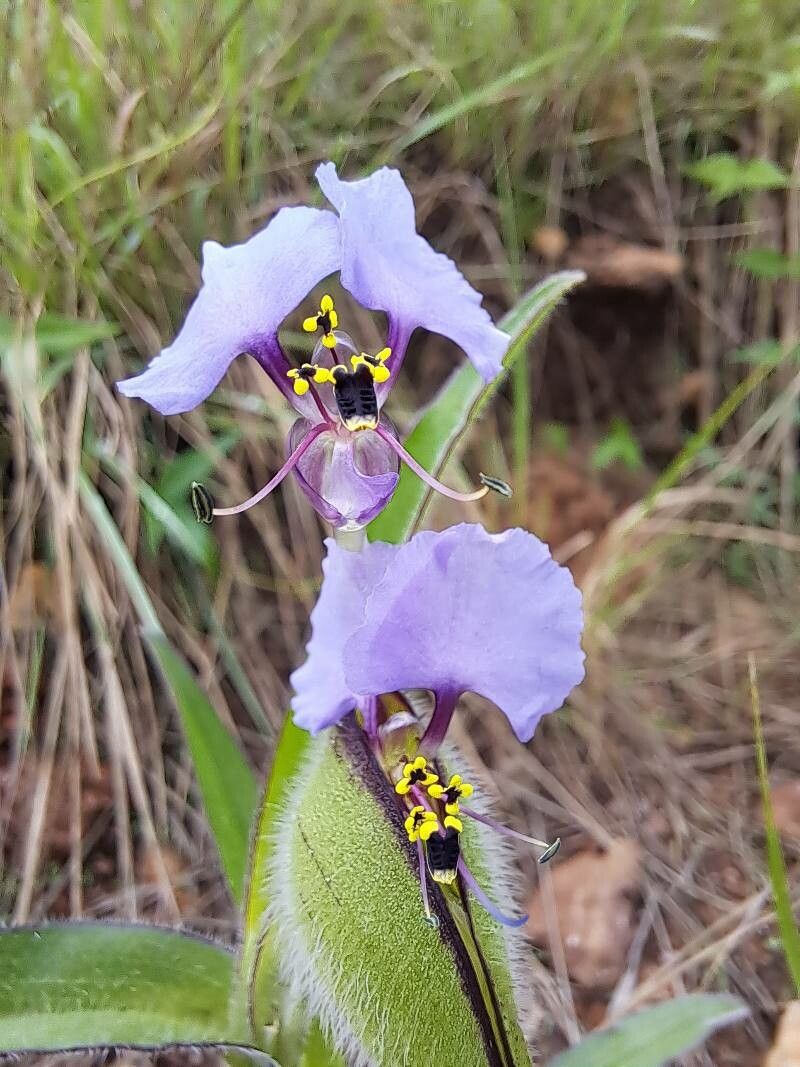
Propagating Commelina neurophylla: A Gardener’s Guide to the Wandering Jew’s Cousin
Commelina neurophylla, commonly known as the Asiatic dayflower or sometimes, though less accurately, as a type of wandering Jew (a name applied to several Commelina species), is a charming, low-growing herbaceous perennial prized for its vibrant, often iridescent blue flowers and trailing habit. Its popularity stems from its ease of care, tolerance of various conditions, and attractive foliage, making it a valuable addition to hanging baskets, groundcovers, and even as a houseplant. However, propagation can present some unique challenges depending on the chosen method.
Seed Germination:
Currently, there are no known reliable methods for seed germination propagation of Commelina neurophylla. While the plant does produce seeds, their germination rate is reportedly extremely low, rendering this method impractical for most gardeners. Further research into specific seed treatments or germination conditions might be necessary to unlock this potential propagation avenue.
Cuttings:
Cuttings are the most reliable and commonly used method for propagating Commelina neurophylla.
Challenges: The primary challenge lies in ensuring the cutting successfully roots before wilting. The delicate stems can be susceptible to rot if the environment is too humid or the cutting is not sufficiently firm before propagation.
Practical Tips: Take 4-6 inch stem cuttings in spring or early summer. Remove lower leaves to prevent rotting. Dip the cut end in rooting hormone powder, although this is not strictly necessary. Plant the cutting in a well-draining, moist potting mix. Cover the pot with a clear plastic bag or humidity dome to retain moisture and warmth, ensuring adequate ventilation to prevent fungal diseases. Place the cutting in a bright, but not directly sunny, location. Keep consistently humid but not waterlogged. Rooting usually occurs within 2-4 weeks.
Rewards: Cuttings offer a quick and relatively simple method for increasing your stock of Commelina neurophylla. It’s also genetically identical to the parent plant, preserving desirable traits.
Division:
Division is another effective method, particularly for established plants.
Challenges: The main hurdle is careful handling to avoid damaging the delicate roots. Overly aggressive division can result in stunted growth or even plant death.
Practical Tips: Divide the plant during spring or early fall when it’s actively growing. Gently lift the entire plant from the pot or ground. Carefully separate the plant into smaller sections, ensuring each division has a healthy root system and several stems. Replant the divisions immediately into fresh, well-draining potting mix or garden soil, keeping the soil consistently moist.
Rewards: Division offers a rapid way to multiply your plants, especially useful for larger, mature specimens. It’s generally easier than cuttings for propagating established plants.
Tissue Culture:
Tissue culture is a technically advanced method, not typically accessible to the home gardener.
Challenges: This method requires specialized equipment, sterile conditions (laminar flow hood), and a good understanding of plant tissue culture techniques. It’s costly and time-consuming.
Practical Tips: This is best left to professionals or experienced plant tissue culture labs.
Rewards: Tissue culture allows for large-scale, rapid propagation and the potential for disease-free plants, but requires significant investment and expertise.
Conclusion:
Propagating Commelina neurophylla, while achievable, presents unique challenges depending on the technique. While seed propagation remains largely unexplored, cuttings and division offer reliable methods for the home gardener. The rewards of successfully propagating this vibrant plant, however, are well worth the effort. The unique satisfaction of nurturing a tiny cutting into a thriving plant, or carefully dividing a mature specimen, is a testament to the rewarding nature of horticulture. Don’t be discouraged by initial setbacks; perseverance and careful attention to detail are key to successfully propagating this delightful plant, and the vibrant blooms will be your reward.