
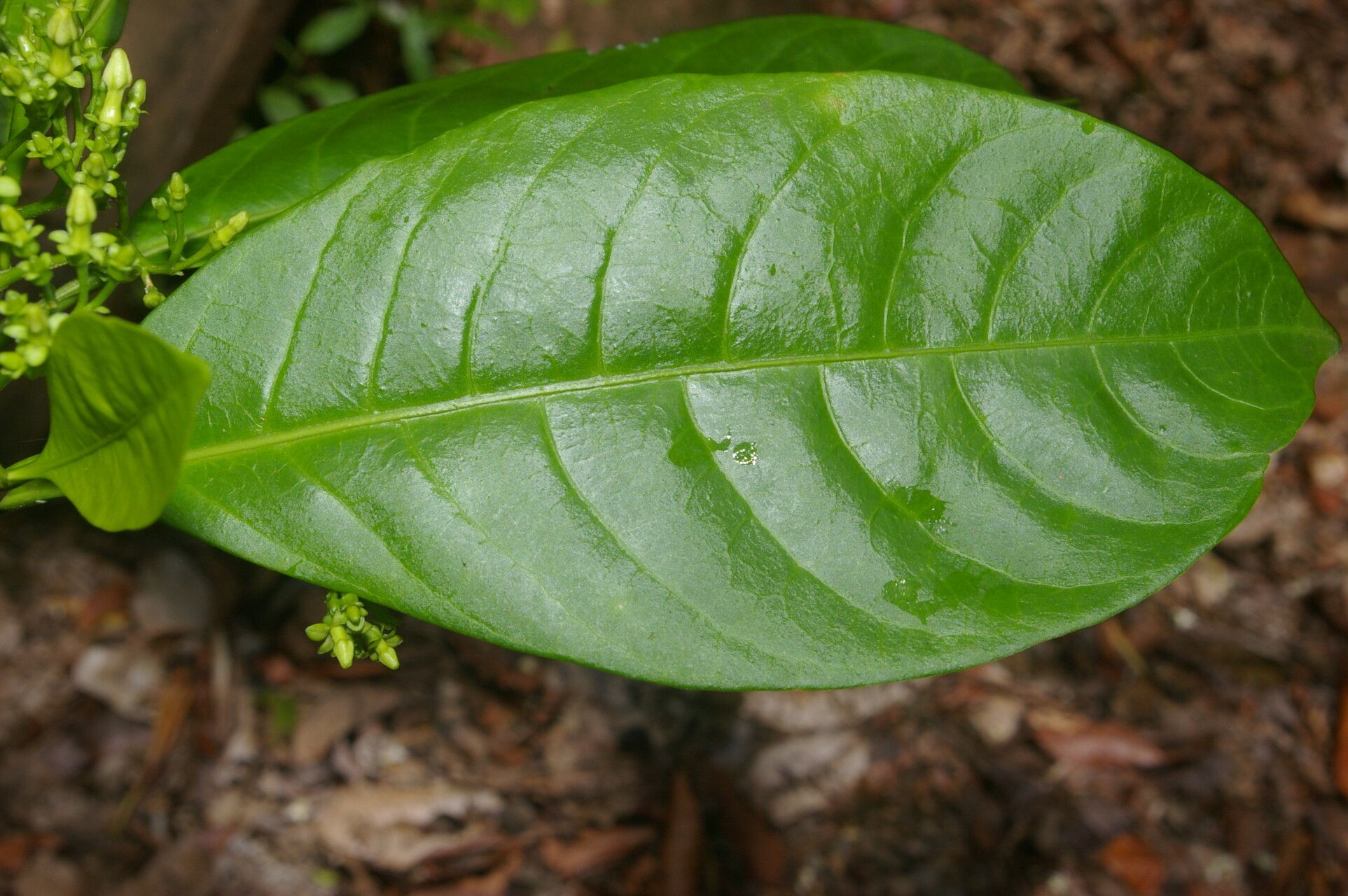
Propagating the Cream-Flowered Tabernaemontana: A Gardener’s Guide
Introduction:
Tabernaemontana arborea, also known as the cream-flowered tabernaemontana or simply "Pin-Pin" in some regions, is a captivating tropical evergreen shrub or small tree prized for its intensely fragrant, creamy white flowers and glossy, dark green foliage. Its elegant form and intoxicating scent make it a highly desirable addition to gardens in warm climates. However, propagating Tabernaemontana arborea can present some unique challenges, making successful cultivation all the more rewarding. This article explores various propagation methods, highlighting their viability and offering practical advice for gardeners.
Seed Germination:
Currently, there are no known reliable methods for seed germination propagation of Tabernaemontana arborea. While seeds may occasionally be produced, their viability is notoriously low, and successful germination rates are extremely poor, even under optimal conditions. Further research is needed to determine if specific pre-treatment techniques could improve germination success.
Cuttings:
Cuttings represent a more viable method for propagating Tabernaemontana arborea.
Challenges: The main challenge lies in achieving successful rooting. Tabernaemontana arborea cuttings can be slow to root, and fungal infections can easily set in before rooting occurs.
Practical Tips: Semi-hardwood cuttings taken in late spring or early summer, approximately 4-6 inches long, are recommended. Remove lower leaves to prevent rotting. Dip the cut ends in rooting hormone powder before planting in a well-draining propagation mix (e.g., perlite and peat moss). Maintain high humidity using a propagator or by covering the cuttings with a clear plastic bag. Consistent bottom heat will aid rooting.
Rewards: Successful propagation via cuttings allows for the relatively quick multiplication of desired cultivars, preserving desirable characteristics without the uncertainties of seed propagation.
Division:
Division is generally not a practical method for propagating Tabernaemontana arborea, as the plant’s root system is not easily divided without significant damage to the mother plant. It is advisable to avoid this method unless you have a very large, established specimen and are prepared for potential loss.
Tissue Culture:
Tissue culture presents a promising avenue for large-scale propagation of Tabernaemontana arborea.
Challenges: Establishing a sterile tissue culture environment and developing optimal protocols for this species requires specialized knowledge and equipment. This method is generally best suited for nurseries or research facilities.
Practical Tips: This method requires a sterile laboratory environment, sterile culture media (containing nutrients and growth hormones), and aseptic techniques to prevent contamination. Explant selection (typically from young shoots) is crucial. Experts in plant tissue culture can help optimize the procedure for Tabernaemontana arborea.
Rewards: Tissue culture offers the unparalleled ability to produce large numbers of genetically identical plants quickly and efficiently. This allows for the preservation of rare or superior cultivars, facilitating widespread availability.
Conclusion:
Propagating Tabernaemontana arborea presents its share of challenges, with seed germination proving unreliable and division impractical. Cuttings offer a feasible, albeit somewhat slow, method for the home gardener, while tissue culture holds the key to large-scale propagation. The rewards of nurturing this beautiful plant from a cutting or through the more advanced method of tissue culture, however, are well worth the effort. The intoxicating fragrance of its bloom and the satisfaction of overcoming the challenges of propagation make it a particularly rewarding undertaking for even experienced plant enthusiasts. Remember patience and meticulous attention to detail are key to success, and the journey itself is part of the pleasure. So, aspiring propagators, embrace the challenge; the beauty of a flourishing Tabernaemontana arborea awaits.