
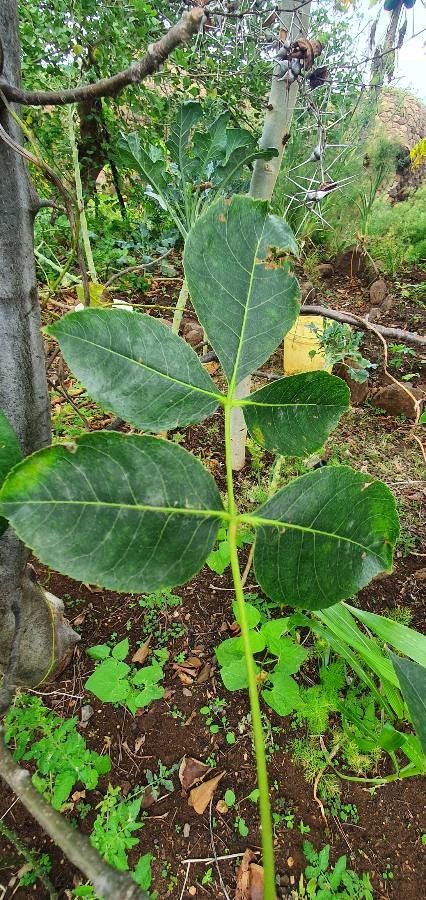
Propagating Commiphora eminii: A Gardener’s Challenge
Introduction:
Commiphora eminii, also known as the Myrrh Tree (though this common name is sometimes applied more broadly to the genus), is a fascinating and increasingly popular plant among succulent enthusiasts. Native to arid regions of East Africa, it boasts a striking, often gnarled and beautifully contorted form, adorned with fragrant resinous sap. Its resilience to drought and unique aesthetic qualities make it a highly sought-after addition to xeric gardens and collections. However, propagating this species presents notable challenges, making successful cultivation a rewarding accomplishment. Its relatively slow growth further emphasizes the need for efficient propagation techniques.
Seed Germination:
Currently, there are no known reliable methods for seed germination propagation of Commiphora eminii. While seeds may be produced, their dormancy and germination requirements remain largely undocumented and appear exceptionally difficult to overcome under normal horticultural practices. Further research is needed to determine if specific pretreatment strategies, such as scarification or specific temperature stratification, might improve germination rates.
Cuttings:
Cuttings offer a more promising avenue for propagating Commiphora eminii. However, success relies heavily on meticulous technique and favorable conditions.
- Challenges: The plant’s woody nature makes rooting challenging. The risk of fungal infections is high, particularly in humid environments. Using hardened, semi-ripe cuttings rather than softwood cuttings is recommended for higher success rates.
- Practical Tips: Take cuttings from healthy, mature growth in late spring or early summer. Use a sharp, sterile blade to prevent the spread of disease. Treat cuttings with a rooting hormone powder to stimulate root development. Plant them in a well-draining, gritty propagating mix (e.g., a mix of perlite and vermiculite), ensuring good aeration around the cuttings. Maintain consistent humidity through propagation bags or a humidity dome, but avoid waterlogging. Consider bottom heat for increased rooting success.
- Rewards: Cuttings provide a relatively quick method of producing clones of a desirable parent plant, preserving its specific characteristics. This is helpful for propagating rare cultivars or particularly attractive specimens.
Division:
Division is generally not a viable option for propagating Commiphora eminii. Unlike some other succulent species, it does not readily produce offsets or suckers that can be easily separated and replanted.
Tissue Culture:
Tissue culture offers a potentially effective, albeit more complex and specialized, method for the propagation of Commiphora eminii.
- Challenges: Establishing sterile conditions and finding an appropriate medium for successful growth are critical. This technique requires specialized equipment and knowledge of plant tissue culture protocols.
- Practical Tips: Skilled technicians are required for successful implementation. Experiments with different growth regulators and media compositions may be needed to optimize growth rates.
- Rewards: Tissue culture allows for large-scale propagation of genetically identical plants, eliminating variability and disease risk. It offers the potential for rapid multiplication and the preservation of germplasm for long-term conservation purposes.
Conclusion:
Propagating Commiphora eminii presents a significant challenge to even experienced plant propagators. While seed germination seems currently unfeasible, cuttings offer a viable, albeit demanding, pathway. Tissue culture provides the potential for large-scale propagation but necessitates specialized expertise. The rewards, however, are considerable. Successfully cultivating this slow-growing and uniquely attractive plant from a cutting, or through more advanced techniques like tissue culture, offers a unique sense of satisfaction. It’s a testament to patience, precision, and a deep appreciation for the nuances of plant propagation. For aspiring propagators, persistence, meticulous technique, and a well-researched approach are key to overcoming the obstacles and experiencing the profound fulfillment of growing this remarkable species.