
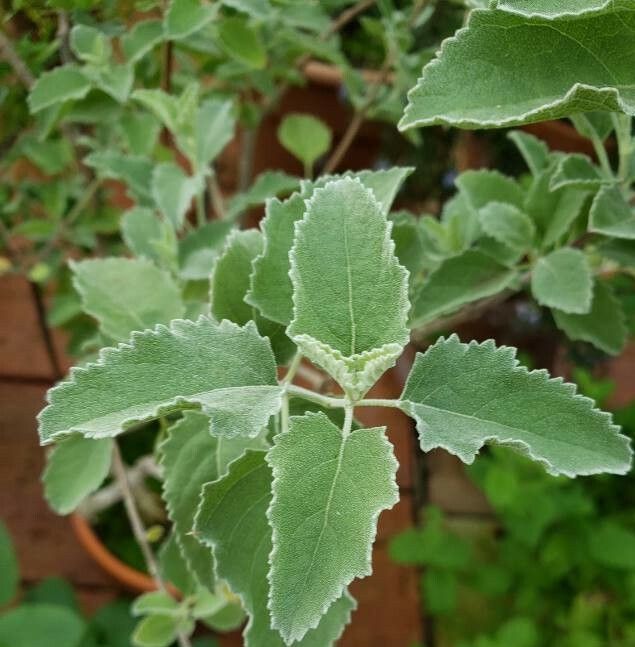
Taming the Desert Delight: Propagating Desert Lavender (Condea emoryi)
The Desert Lavender, with its delicate purple blooms and intoxicating fragrance, brings a touch of magic to the arid landscapes it calls home. But did you know you can cultivate this desert delight in your own backyard? Propagating Condea emoryi, formerly known as Hyptis emoryi, is an achievable feat, even for budding gardeners, with just a bit of know-how.
There are two primary methods for propagating Desert Lavender:
1. Seed Propagation: A Journey from Tiny Specks to Fragrant Shrubs
- Timing is Key: Collect mature seeds from dried flower clusters in late summer or fall. These will resemble small, dark brown or black nutlets.
- Sowing the Seeds: In spring, start seeds indoors 6-8 weeks before the last frost. Use a well-draining seed starting mix and sow seeds shallowly, barely covering them.
- Patience, Young Padawan: Germination can take anywhere from 2 to 4 weeks. Maintain a warm, brightly lit environment, and keep the soil consistently moist but not waterlogged.
- Time to Transplant: Once seedlings develop a couple of sets of true leaves and all danger of frost has passed, harden them off gradually and transplant them outdoors. Choose a sunny location with well-drained soil.
2. Cutting Propagation: A Shortcut to Success
- The Right Cut: In late spring or early summer, take softwood cuttings about 4-6 inches long from healthy, non-flowering stems. Make a clean cut just below a leaf node.
- Prep Your Cuttings: Remove the lower leaves, leaving only a few at the top. You can also dip the cut end in rooting hormone to encourage faster root development, although it is not strictly necessary.
- Potting and Patience: Plant the cuttings in a pot filled with a well-draining rooting mix, keeping at least one leaf node buried. Water thoroughly and cover the pot with a plastic bag to create a humid environment.
- Rooting and Repotting: After about 4-6 weeks, gently tug on the cuttings to check for resistance, a telltale sign of root development. Once roots are established, transplant your cuttings into individual pots or directly into the ground.
Caring for Your New Desert Lavender
Regardless of your chosen propagation method, young Desert Lavender plants thrive in sunny locations with well-draining soil. Water them regularly during their first year to establish a strong root system but allow the soil to dry out between waterings. These tough plants are drought-tolerant once mature and require minimal maintenance, rewarding you with fragrant blooms and a touch of desert charm for years to come.
A Final Note: While seeds offer a more hands-on approach, cuttings provide faster results and ensure the propagation of desirable plant traits. Choose the method that best suits your gardening style and enjoy the journey of cultivating your very own Desert Lavender paradise!