
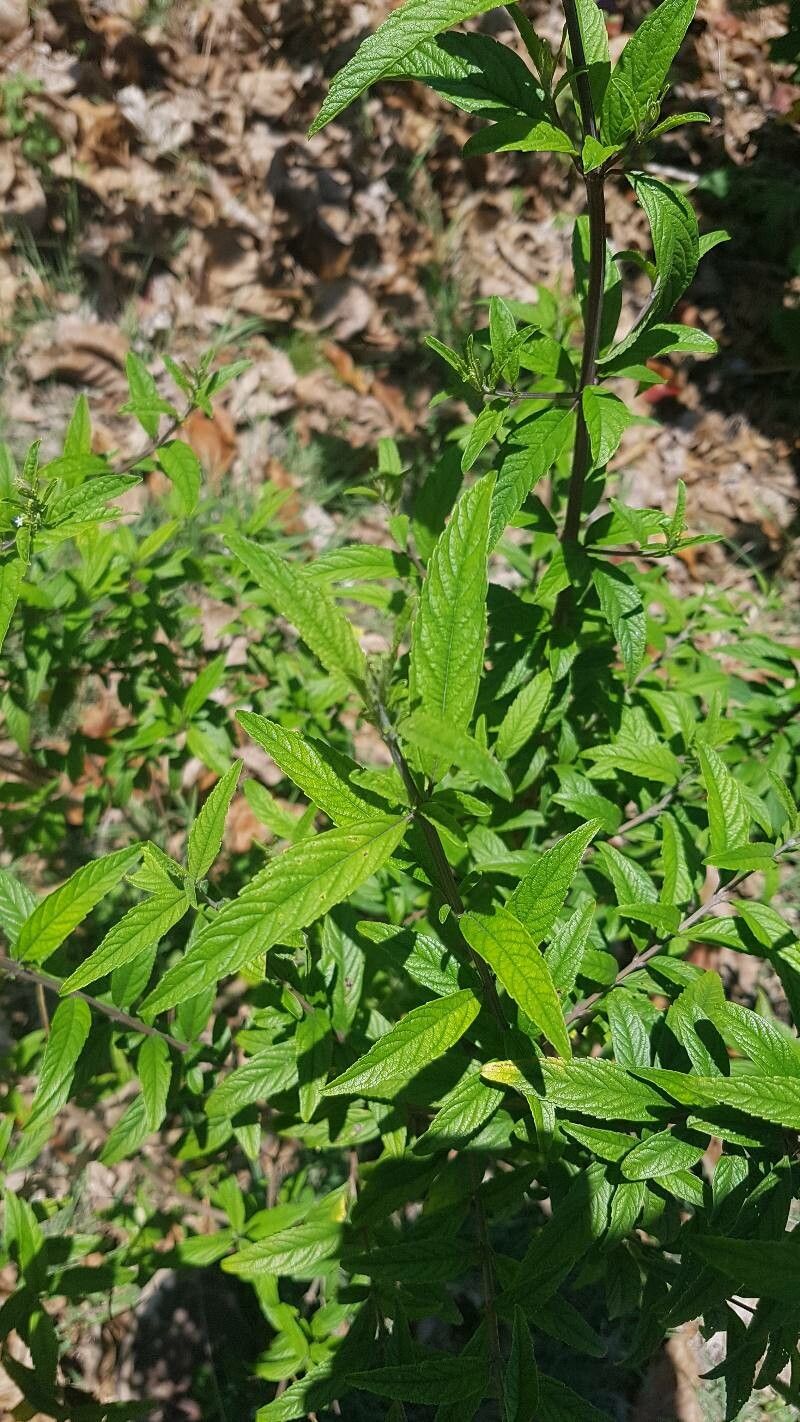
Taming the Butterfly Bush: Propagating the Condea Verticillata
The Condea verticillata, more affectionately known as the Butterfly Bush or Thickleaf Shrubverbena, is a gardener’s dream. This vibrant flowering shrub brings a riot of color to any landscape, attracting butterflies and hummingbirds with its nectar-rich blooms. But did you know that propagating this beautiful plant is easier than you think? Let’s delve into the world of Condea verticillata propagation and learn how to create more of this stunning plant for your garden.
Two Paths to Propagation
The beauty of Condea verticillata lies not only in its appearance but also in its versatility when it comes to propagation. You have two main options – seeds and cuttings – each with its advantages and levels of ease.
1. Starting from Seed:
- When to Sow: Condea seeds germinate best in warm temperatures, making late spring to early summer the ideal time for sowing.
- Sowing Basics: Choose a well-draining seed starting mix and sow the seeds shallowly, barely covering them with the medium. Keep the soil consistently moist but not waterlogged.
- Germination Time: With the right conditions, you can expect germination within 2-3 weeks.
- Advantages: Starting from seed is a cost-effective way to produce many new plants.
- Challenges: Seeds might not always be readily available, and the plants might exhibit slight variations from the parent plant.
2. Propagating from Cuttings:
- Timing is Key: Early summer is the prime time for taking cuttings. Choose healthy, non-flowering stems for the best results.
- The Cutting Technique: Aim for cuttings that are about 4-6 inches long. Remove the lower leaves, leaving only a few at the top.
- Rooting Hormone: A Helping Hand: While not mandatory, dipping the cut end of your stem in rooting hormone can significantly increase the success rate and speed up root development.
- Potting Up: Plant your cuttings in a well-draining potting mix, burying at least two nodes (the points where leaves were attached) beneath the soil.
- Creating a Humid Environment: Moisture is crucial for successful rooting. Cover the pot with a clear plastic bag or use a humidity dome to retain moisture.
- Signs of Success: In 4-6 weeks, you should see new growth, indicating successful rooting! Gradually acclimatize your new plants to outdoor conditions before transplanting them into the garden.
- Advantages: Cuttings ensure that you’re creating an exact replica of your parent plant, including its flower color and growth habit.
- Challenges: Requires a bit more hands-on effort compared to starting from seed.
Nurturing Your New Condea Verticillata
Regardless of the propagation method you choose, your new plants need care and attention:
- Light: Condea verticillata thrives in full sun, needing at least 6 hours of direct sunlight daily.
- Water: These beauties prefer well-draining soil and are relatively drought-tolerant once established. Water deeply but infrequently.
- Fertilizer: Feed your Condea verticillata with a balanced fertilizer in spring to encourage healthy growth and vibrant blooms.
Propagating your Condea verticillata is a rewarding experience that allows you to multiply the joy this vibrant shrub brings to your garden. With a bit of patience and care, you’ll be enjoying even more of these butterfly magnets in no time!